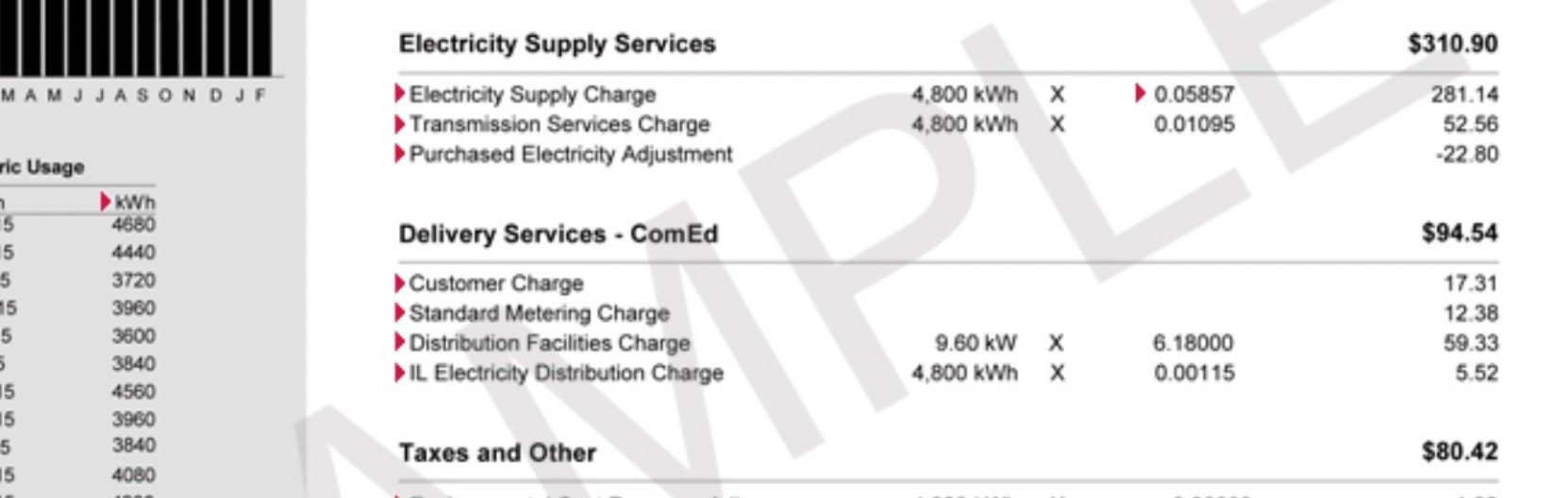
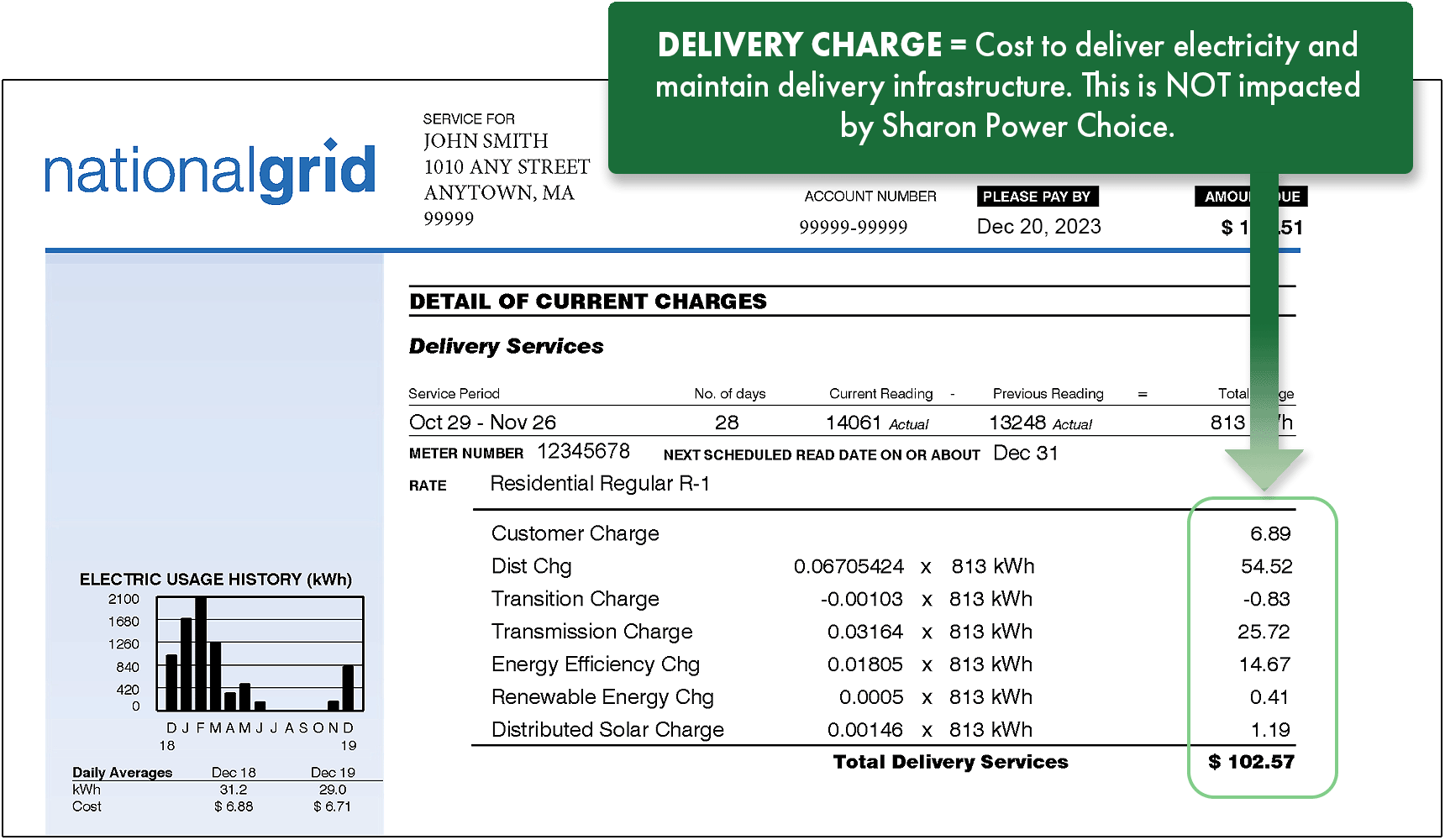
What Are Delivery Charges On My Electric Bill
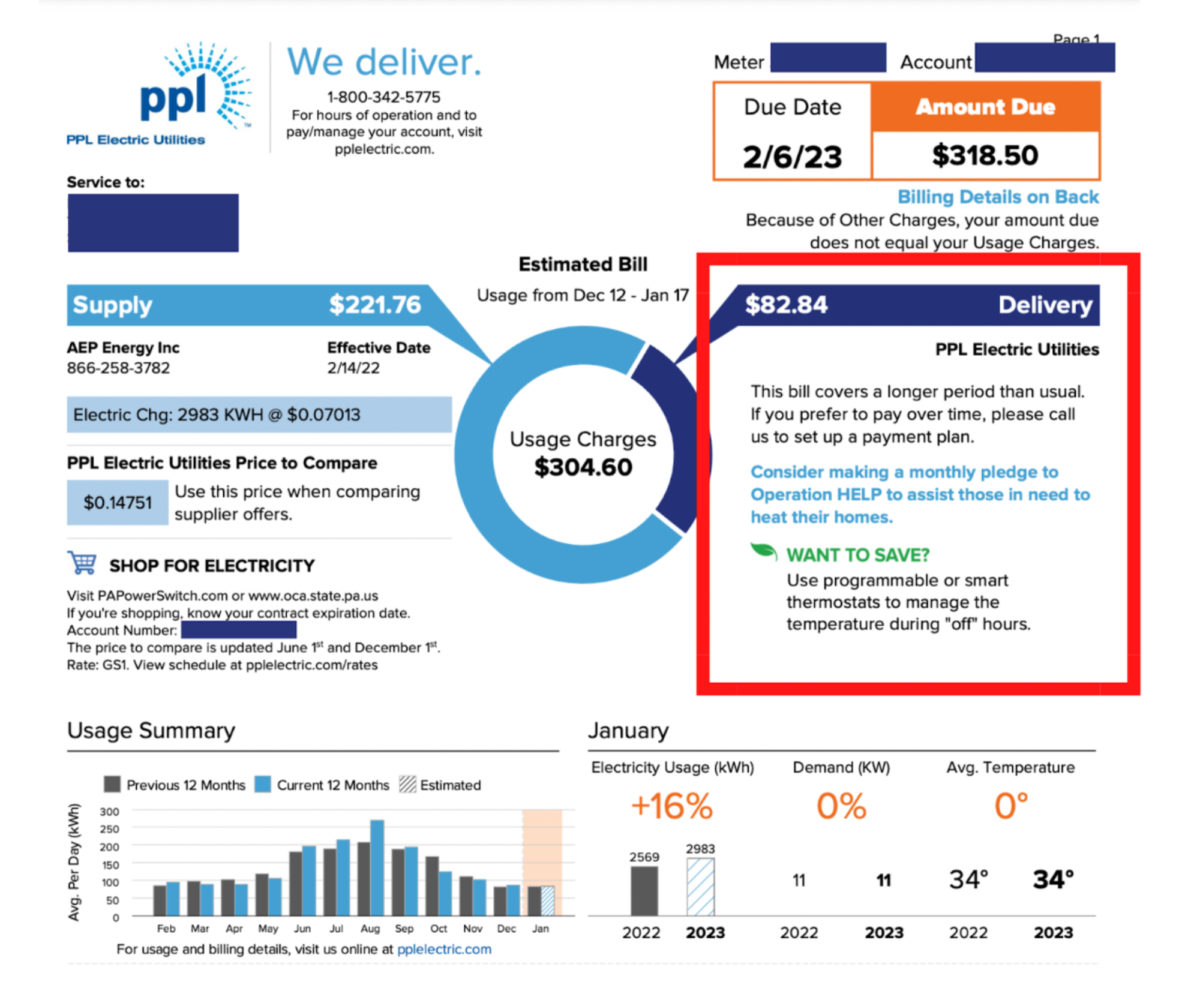
Alright, let's talk about something that might seem a little mysterious, but is actually pretty straightforward: those pesky delivery charges on your electric bill! I know, I know, bills are about as exciting as watching paint dry, but trust me, understanding this one little thing can make you feel like a superhero – a superhero of household finances!
The Great Electricity River (and the Toll You Pay)
Imagine electricity as a mighty river flowing from a power plant (our mountain spring source!) all the way to your toaster, your TV, and even that fancy electric toothbrush you splurged on. Someone's gotta build and maintain that river, right? That's where those delivery charges come in. Think of them as the tolls you pay to use the electric company's infrastructure to get that sweet, sweet power to your home.
Seriously, think about it! There are power lines stretching across miles and miles, transformers humming quietly in the background, and substations doing their thing. All that stuff costs money to build, maintain, and upgrade. Delivery charges are how the electric company recoups those costs. Without them, we'd be back to candlelight and churning butter ourselves (okay, maybe not, but you get the idea!).
Must Read
So, What Am I Actually Paying For?
Good question! You're basically paying for the privilege of having electricity delivered right to your doorstep. It's like the delivery fee you pay when you order pizza. You're not paying for the pepperoni or the cheese; you're paying for the pizza place to actually get that delicious pie from their oven to your hungry tummy. In the case of electricity, you're paying for the wires, poles, and all the other equipment needed to get the electrons from the power plant to your outlets.
These charges typically cover things like:

- Maintenance: Keeping those power lines in tip-top shape, especially after a nasty storm.
- Infrastructure Upgrades: Replacing old equipment with newer, more efficient stuff (think of it as upgrading your horse-drawn carriage to a Tesla… but for electricity!).
- Meter Reading: Someone (or something!) has to keep track of how much electricity you're using.
- Customer Service: Answering your questions, handling outages, and generally being there when you need them (hopefully!).
It's Not Just About How Much You Use (Say What?!)
Here's where things get a little tricky. Unlike the actual electricity usage charge, which goes up and down depending on how much power you're sucking down, the delivery charge is often a fixed fee. Meaning, even if you go on vacation and unplug everything in your house (good for you, energy saver!), you'll still likely have to pay some sort of delivery charge. It's like paying for the pizza delivery even if you decide you're not hungry and cancel your order. You still tied up their driver for a bit!
The reasoning? The electric company still has to maintain the infrastructure that's connected to your house, even if you're not actively using any electricity. Think of it like having a water pipe running to your house. Even if you don't turn on the faucet, the water company still has to maintain the pipes leading to your home. You might have a minimum bill for your service.
Can I Do Anything About It? (Maybe!)
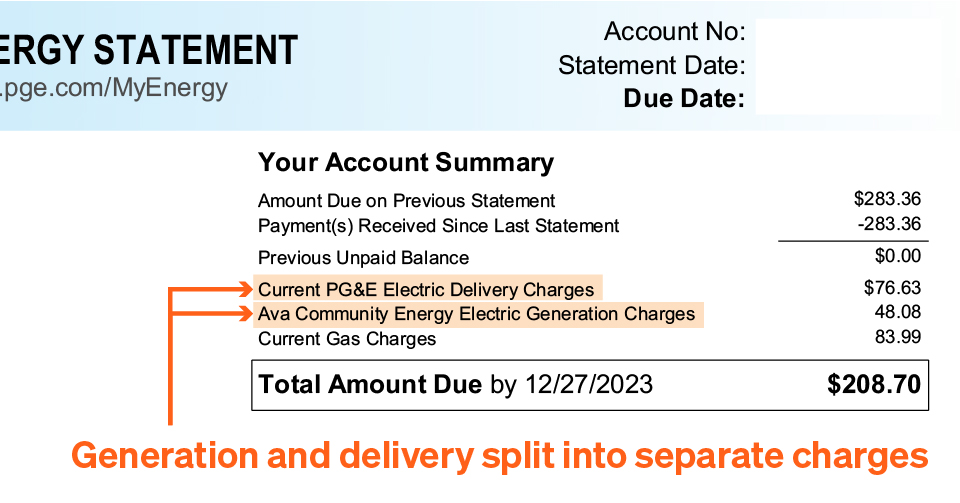
While you can't exactly opt out of delivery charges (unless you plan on going completely off-grid and generating your own electricity – which is a whole other adventure!), there are things you can do to manage your overall electricity costs. Some examples are:
- Conserve energy: The less electricity you use, the less you pay overall, even if the delivery charge stays the same.
- Shop around: In some areas with deregulated electricity markets, you can choose your electricity supplier. While you still pay the utility company for delivery, you might be able to find a supplier with lower energy rates.
- Look for energy efficiency programs: Your utility company might offer rebates or incentives for upgrading to energy-efficient appliances or making other energy-saving improvements.
So, there you have it! Delivery charges on your electric bill, demystified. It's not the most exciting topic in the world, but understanding where your money is going can empower you to make smart choices and potentially save some cash. Now go forth and conquer that electric bill, you magnificent energy superhero!