What Are Cons Of Wind Energy
Ever gazed at those towering wind turbines spinning gracefully on the horizon or whizzing past them on a road trip? They've become quite the symbol of our planet's pivot towards cleaner energy. It’s a topic that's not just for scientists anymore; understanding where our energy comes from, and the full story behind it, is becoming an incredibly relevant and frankly, pretty fascinating part of being a curious global citizen. While we often hear about the wonders of wind power, diving a little deeper into its lesser-discussed aspects gives us a much more complete and intriguing picture of our energy future. It’s like learning about the ingredients in your favorite dish – sure, it tastes great, but knowing what goes into it, even the tricky bits, makes you a more informed connoisseur!
At its heart, wind energy serves a powerful purpose: to provide a clean, renewable alternative to fossil fuels. By harnessing the kinetic energy of the wind and converting it into electricity, we can reduce greenhouse gas emissions, lessen our reliance on finite resources, and contribute to a more sustainable planet. You see its impact everywhere, from powering homes and businesses to even charging electric vehicles. In educational settings, models of wind turbines help students grasp physics principles, while in daily life, the presence of wind farms reminds us of the ongoing shift in our energy landscape, aiming to combat climate change one gust at a time.
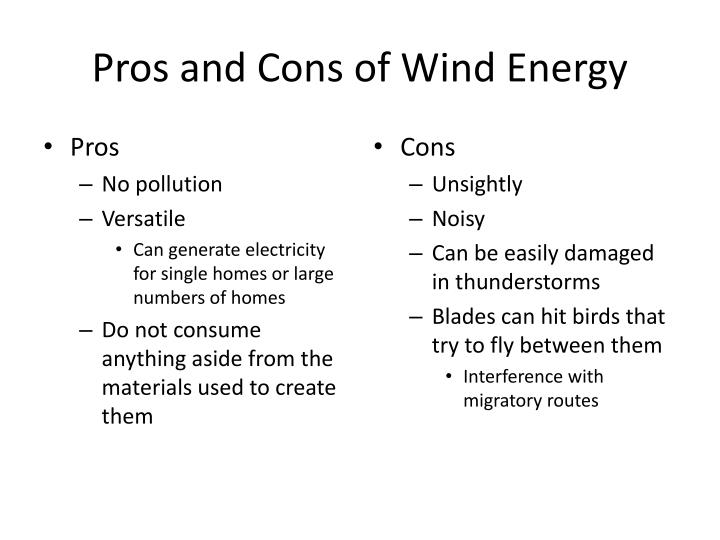
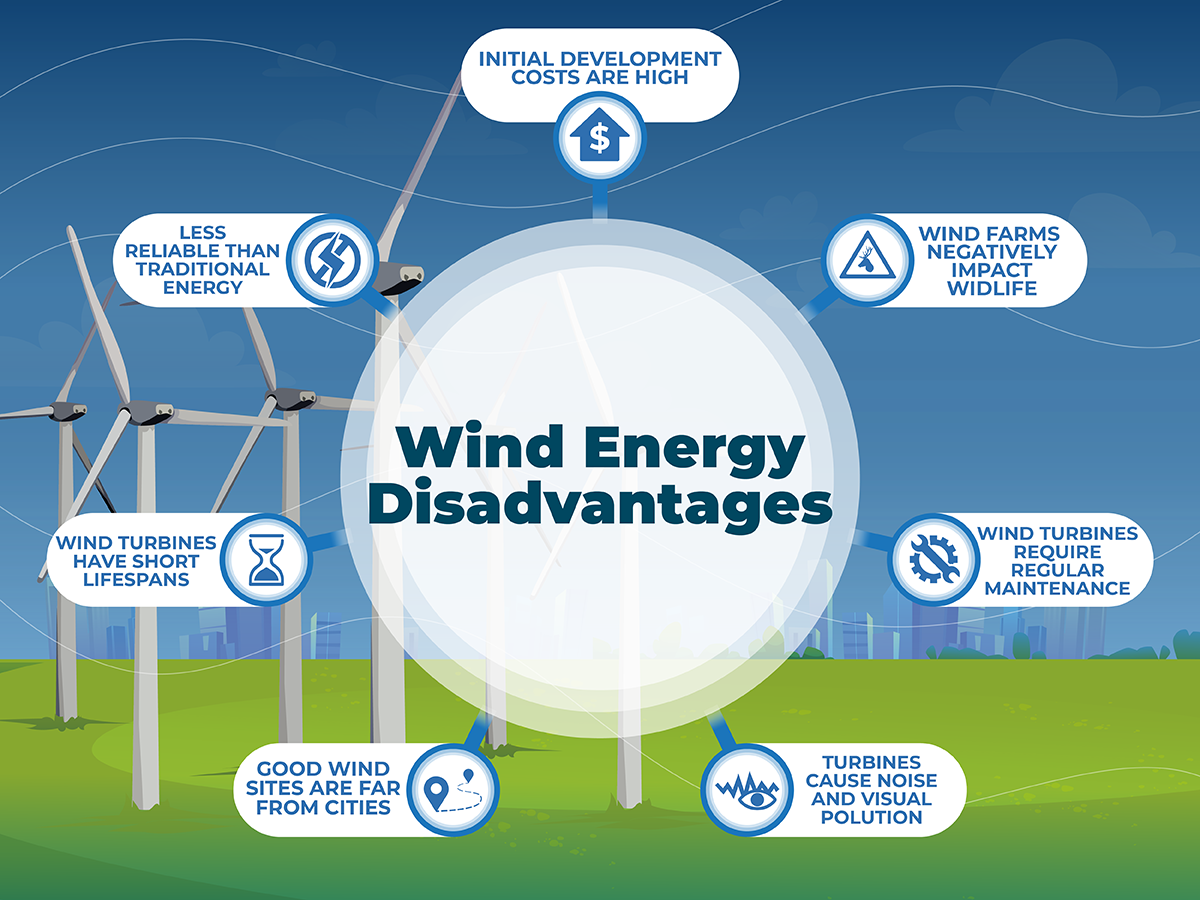
However, like any large-scale solution, wind energy comes with its own set of significant challenges and considerations that are equally important to explore. One of the primary drawbacks is intermittency. The wind doesn't blow consistently, meaning wind turbines only generate electricity when there’s enough wind. This makes relying solely on wind power tricky and often requires backup conventional power plants or large-scale energy storage solutions, which can add complexity and cost. Then there's the issue of location and transmission. Optimal wind sites are often remote, far from where the electricity is consumed. This necessitates extensive new transmission lines, which can be expensive to build and sometimes face public opposition due to their visual impact.
Must Read
The visual and acoustic impact of wind farms is another common concern. For some, the sight of numerous towering turbines can detract from natural landscapes, while the low-frequency hum they produce, though generally quiet, can be a nuisance to nearby residents. There are also wildlife concerns; birds and bats can collide with turbine blades, and the construction of wind farms can lead to habitat fragmentation. While efforts are made to site turbines thoughtfully and implement mitigation strategies, these remain legitimate considerations. Finally, let’s not forget the resource demands. While wind energy is renewable, the manufacturing of turbines requires materials like steel, fiberglass, and sometimes rare earth elements, along with the energy consumed in their production, transportation, and eventual decommissioning.
So, how can we explore this fascinating topic further? A simple way is to pay attention to news articles discussing new energy projects in your region – do they mention wind? What are the local opinions? Consider visiting a public observation point at a wind farm, if one is accessible, to see these impressive structures up close and ponder their scale. You could also research how different countries are addressing the intermittency challenge, perhaps through advanced battery storage or smart grids. Understanding the nuances and challenges of wind energy isn't about criticizing it; it's about fostering a deeper appreciation for the complex journey we're on towards a sustainable future, and how thoughtful solutions require considering all angles. By becoming more informed, you can take a more active role in understanding and shaping our energy landscape.