What Are Coals Advantages And Disadvantages
Ah, coal! The very word conjures up images of roaring fireplaces, powerful locomotives, and perhaps even a lump under the Christmas tree (hopefully not for you!). We might not think about it much in our daily lives, but coal has played, and continues to play, a significant role in shaping the world we live in. For centuries, it's been a reliable source of energy, and while cleaner alternatives are gaining traction, understanding its pros and cons is crucial.
So, what's the big deal with coal anyway? Well, its primary benefit lies in its ability to generate electricity. In power plants, coal is burned to heat water, creating steam that drives turbines connected to generators. These generators then produce the electricity that powers our homes, businesses, and everything in between. Think about it: the lights you're reading this with, the device you're using, and even the servers hosting this information might be indirectly powered by coal. It's also used in the production of steel, cement, and various other industrial processes.
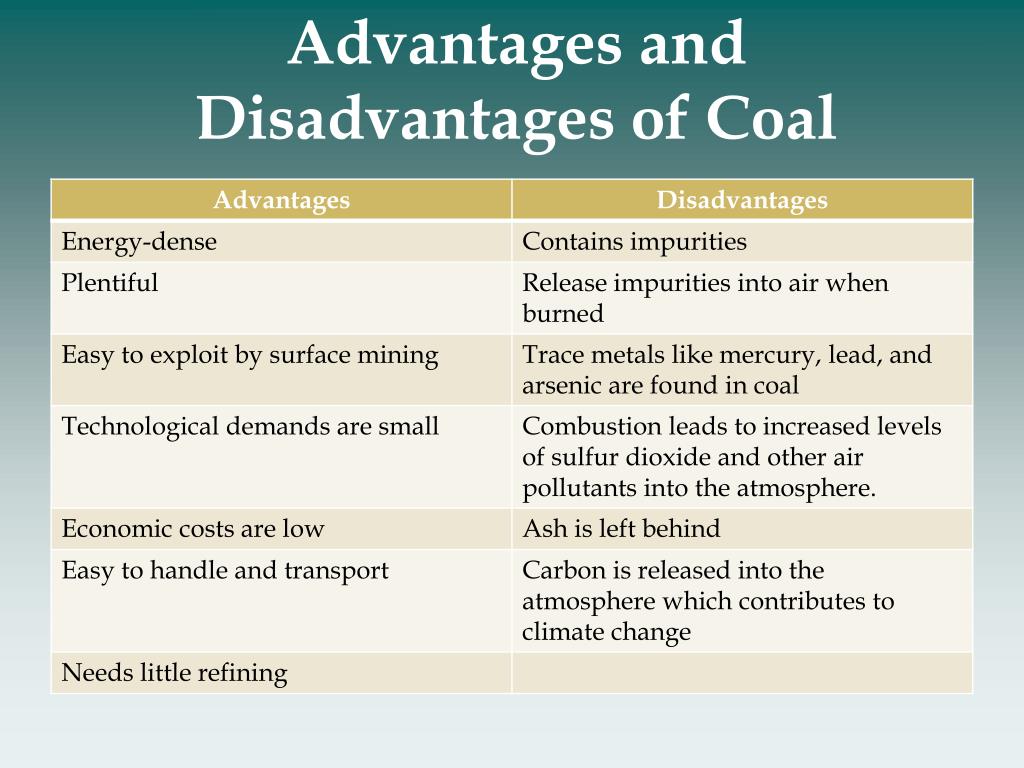
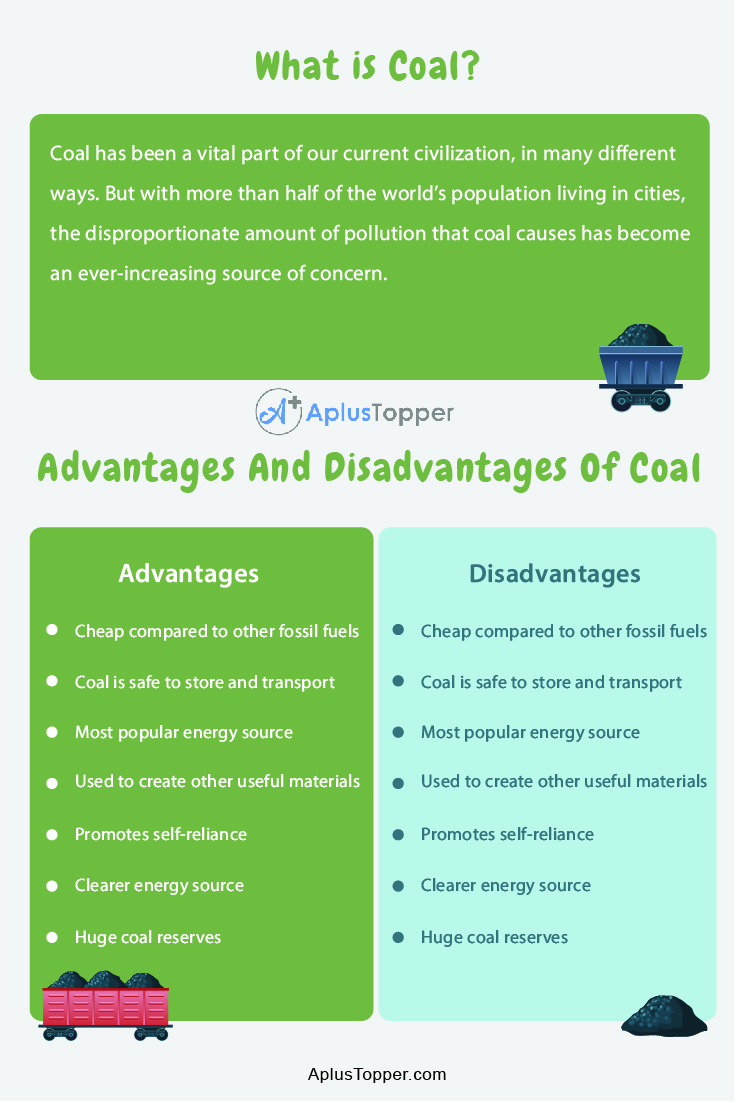
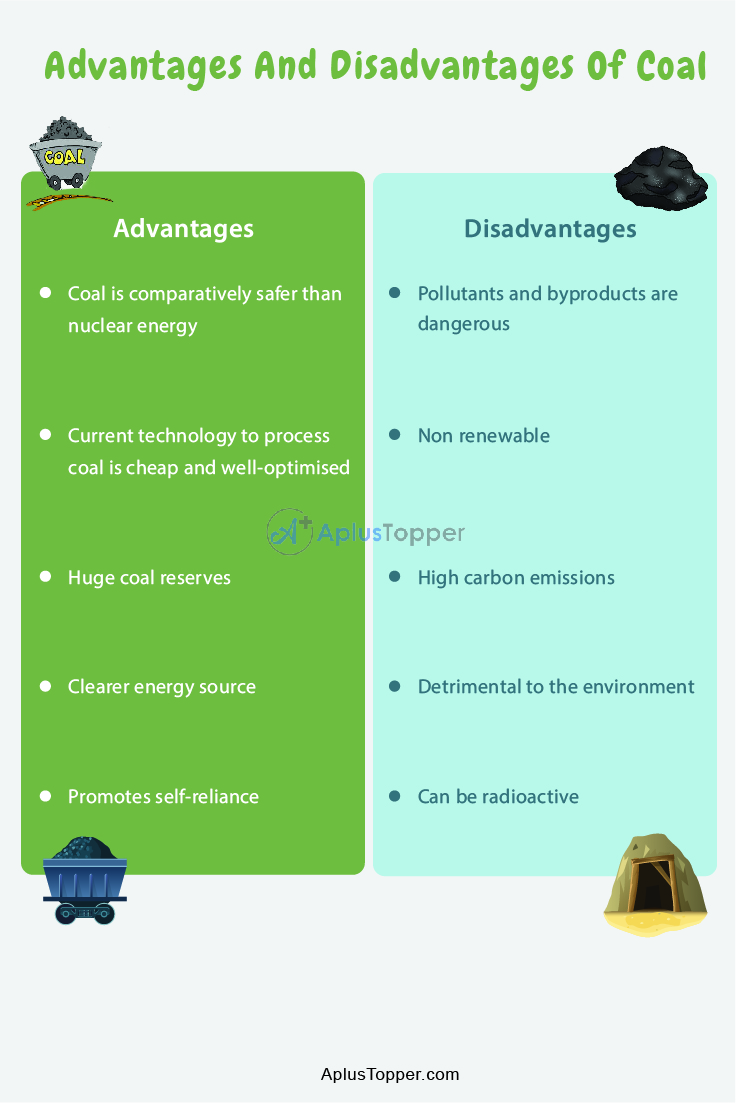
One of the main advantages of coal is its abundance and relatively low cost compared to some other energy sources. This makes it an attractive option for countries with large coal reserves, as it offers a degree of energy independence and can contribute to economic growth. Furthermore, the existing infrastructure for mining, transporting, and burning coal is well-established, meaning the technology is readily available and relatively simple to implement.
Must Read
Common examples of coal's application are readily apparent. Coal-fired power plants are a staple in many countries, providing a base load of electricity. In some regions, it's still used for heating homes and even cooking, though this is becoming less common due to environmental concerns. You can also find it used in industrial processes like coke production, essential for steelmaking.
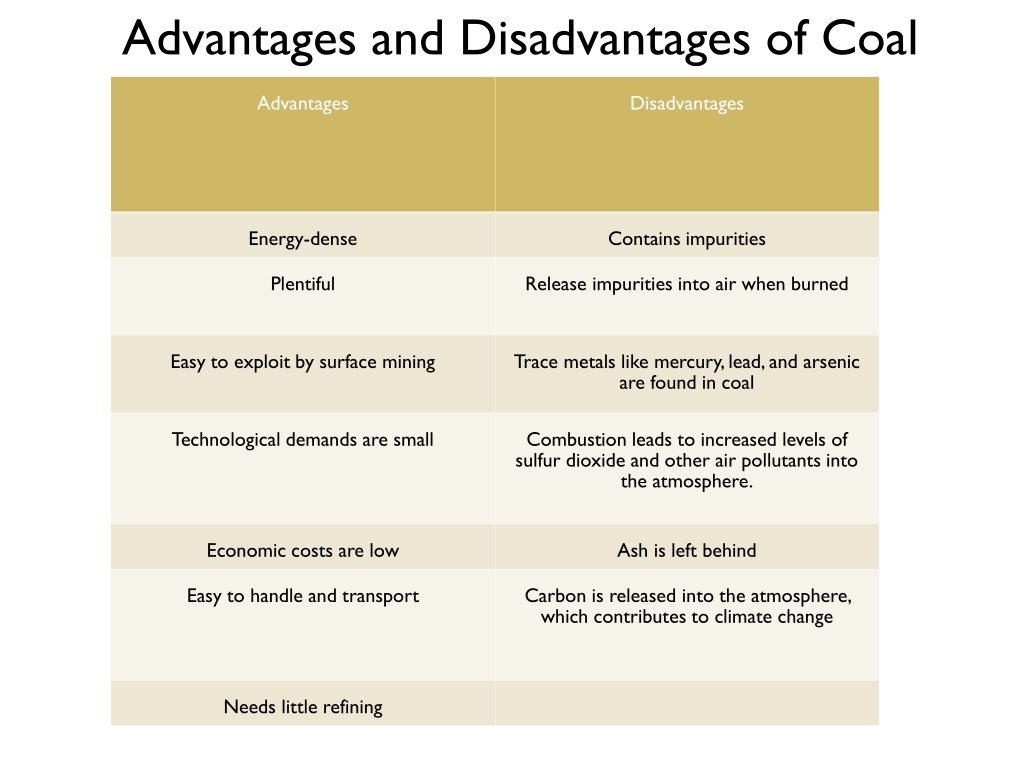
However, the story isn't all rosy. Coal's biggest disadvantage is its environmental impact. Burning coal releases significant amounts of greenhouse gases, contributing to climate change. It also produces pollutants like sulfur dioxide and nitrogen oxides, which can cause respiratory problems and acid rain. Mining coal can also have devastating effects on the landscape, leading to habitat destruction and water pollution.
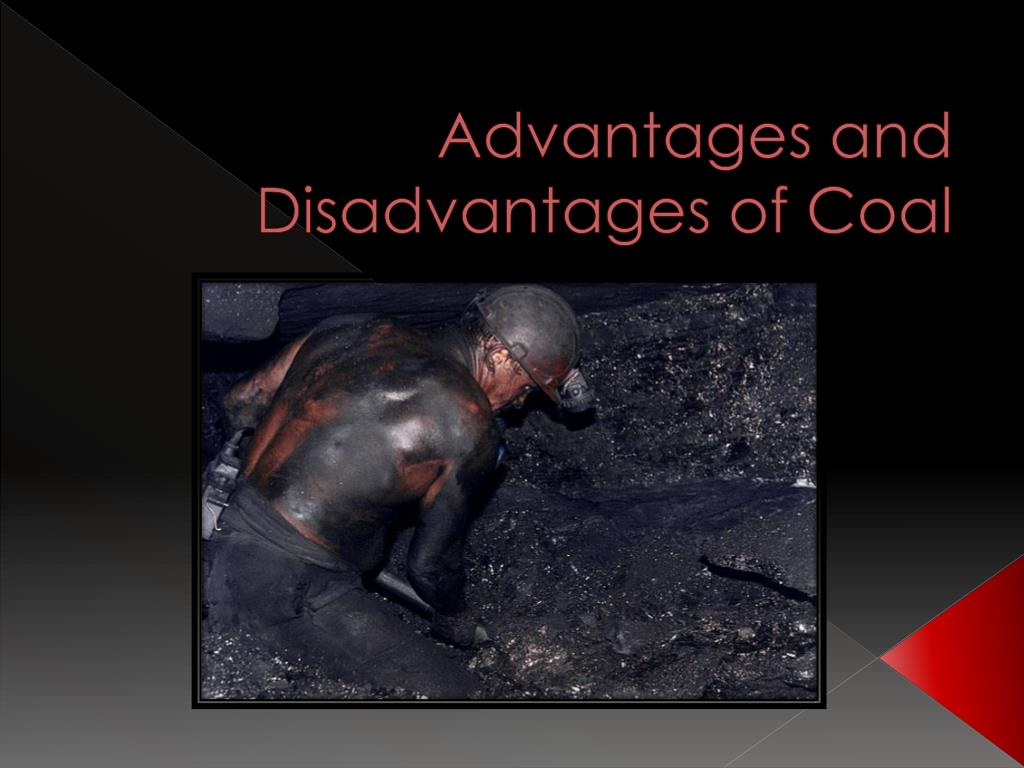
Another downside is the potential for dangerous working conditions in coal mines. Accidents, such as explosions and collapses, can occur, posing a significant risk to miners. While safety regulations have improved in many countries, the risk remains a concern.
So, how can we enjoy (or at least utilize) coal more effectively and responsibly? The key is to focus on cleaner coal technologies. Carbon capture and storage (CCS) is one promising approach, which involves capturing carbon dioxide emissions from power plants and storing them underground. This technology is still under development, but it has the potential to significantly reduce coal's environmental footprint. Another approach is to invest in more efficient coal-fired power plants that use less coal to generate the same amount of electricity. Ultimately, the goal is to transition to cleaner energy sources while minimizing the reliance on coal in the long run.
In conclusion, coal is a complex energy source with both advantages and disadvantages. While it provides a reliable and relatively inexpensive source of electricity and supports various industries, its environmental impact is a serious concern. By investing in cleaner coal technologies and transitioning to renewable energy sources, we can mitigate the negative effects and work towards a more sustainable energy future.