What Are Biomass Advantages And Disadvantages
Ever wondered if that pile of leaves in your backyard could actually power your house? Or if that leftover pizza crust could somehow heat your water? Okay, maybe not the pizza crust (directly!), but the idea gets us to the fascinating world of biomass energy. It's a pretty hot topic (pun intended!) because we're all looking for cleaner, more sustainable ways to keep the lights on and the world spinning. So, what's the deal with biomass? Let's dive in!
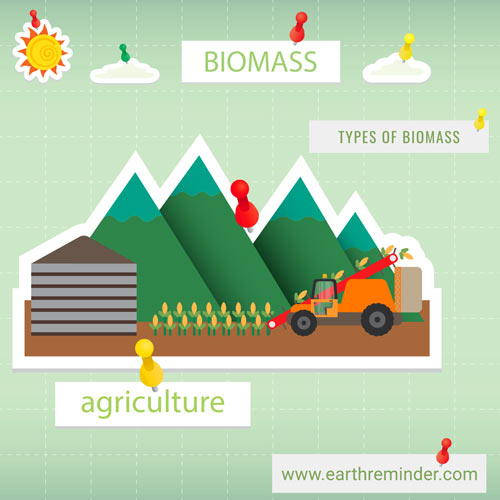
Biomass, in simple terms, is just organic matter that stores sunlight in the form of chemical energy. Think trees, crops, animal waste, even algae! The purpose of using biomass is to convert this stored energy into something useful – like electricity, heat, or fuel for our cars. The big benefit? It's a renewable resource! As long as we keep growing plants and managing our resources wisely, we can keep using biomass.
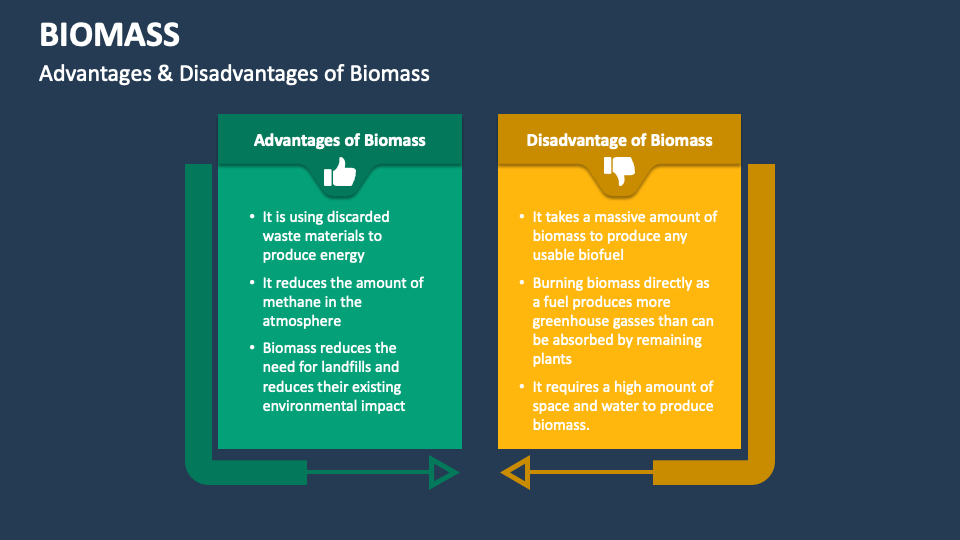
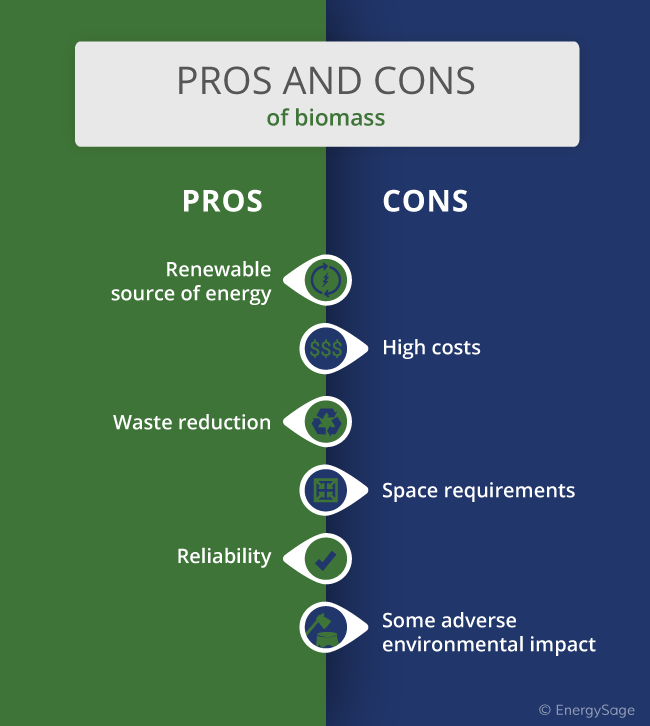
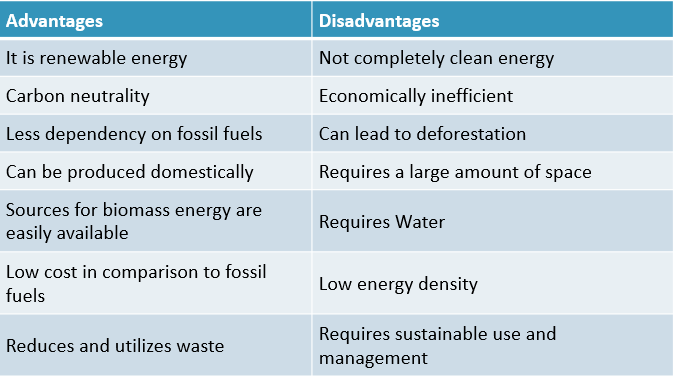
Now, let’s talk about the good stuff – the advantages of biomass. First and foremost, it's often considered carbon neutral. When biomass is burned, it releases carbon dioxide, but the plants from which it came absorbed carbon dioxide from the atmosphere during their lifetime. So, theoretically, the carbon footprint is balanced. It's also widely available! Unlike fossil fuels that are concentrated in specific locations, biomass can be found pretty much everywhere, especially in agricultural regions. This can boost local economies and reduce our reliance on foreign energy sources. Plus, using biomass can help us manage waste. Instead of letting agricultural or forestry residues rot (which also releases greenhouse gases), we can put them to good use.
Must Read
However, it’s not all sunshine and biofuel. Biomass also has its disadvantages. One major concern is efficiency. Biomass power plants often aren't as efficient as those that burn fossil fuels, meaning we need more biomass to generate the same amount of energy. This can lead to deforestation if we're not careful about sustainable harvesting practices. Think about it: if demand increases too much, cutting down forests can outweigh the benefits. Another issue is air pollution. While burning biomass is generally cleaner than burning coal, it still releases pollutants like particulate matter, which can affect air quality and human health. Transportation costs are also a factor. Biomass is often bulky and heavy, making it expensive to transport from where it's grown to where it's used. This can make it less economically viable in some areas.
Ultimately, biomass energy is a complex issue with both pros and cons. It's not a perfect solution to our energy needs, but it can play an important role in a diversified energy portfolio. By understanding its advantages and disadvantages, we can make informed decisions about how to best utilize this renewable resource and work towards a more sustainable future. So, next time you see that pile of leaves, remember the potential energy hiding within! Just don't try powering your house with it just yet. Leave that to the professionals!