What Are Amp Hours In A Battery

Ever looked at a battery – maybe for your drill, your phone, or that fancy new portable power station – and seen something like "5000mAh" or "100Ah"? And then just thought, "Huh? What even IS that? Is bigger better? Do I need more of it?" Don't worry, you're not alone. It's one of those techy terms that sounds intimidating but is actually super simple once you get a peek behind the curtain. Let's spill the coffee and chat about it!
So, What Even ARE Amp Hours?
Alright, deep breaths. Amp Hours, often shortened to Ah (or mAh for milliamp hours, which is just 1/1000th of an Ah, easy peasy!), is basically a fancy way of telling you a battery's storage capacity. Think of it as the size of the fuel tank for your gadgets. It tells you how much juice a battery can hold and deliver over time.
Imagine your battery is a big ol' water bottle. The Ah rating is how much water that bottle can hold. A bigger bottle (more Ah) means more water, right? Same concept here. More Ah means more energy stored, which generally means your device can run for longer before needing a recharge. Pretty straightforward, huh?
Must Read
Okay, But Why Should I Care?
Because nobody likes a dead phone in the middle of a crucial selfie, or a power tool that conks out halfway through a DIY project! Knowing about Ah helps you understand how long your stuff will actually last. If you're comparing two power banks, for example, the one with the higher Ah rating is the one that'll charge your phone more times, or keep it alive for longer. It's the ultimate indicator of endurance.

The Nitty-Gritty (Without Getting TOO Gritty)
Here's where it gets a tiny bit practical. The "Amps" part of Amp Hours refers to the current draw. Different devices draw power at different rates. Your phone might sip a small amount of amps per hour, while a powerful laptop or an electric motor might gulp down many more amps per hour.
So, if your battery has, say, 100Ah, and the device you're powering uses 10 Amps per hour, theoretically, that battery could last 10 hours (100Ah / 10 Amps = 10 Hours). See? A little division, but nothing you can't handle! This simple math gives you a rough idea of the expected run time for your battery with a specific device. It’s super handy for planning!
Hold On, There's a Catch (Or Two!)
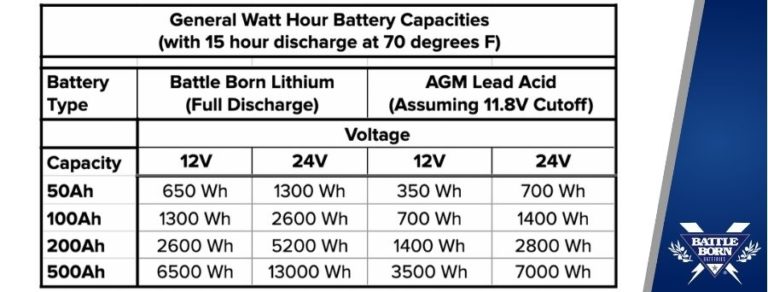
Okay, confession time. While Ah is awesome for comparing batteries of the same voltage (like two 12V car batteries or two 3.7V phone batteries), it's not the ONLY thing that matters. Voltage is also important – it's like the "pressure" of the electricity. But for most everyday chats about "how long will this last?", when comparing similar devices, Ah is your go-to hero. Other things like battery age, temperature, and how efficiently your device uses power also play a role, but we can save those for another coffee chat, perhaps? Don't want to overwhelm you!
So, Next Time You're Battery Shopping...
You're basically looking at the size of the energy tank. A bigger Ah number means a bigger tank, more fuel, and therefore, more freedom from outlets! So, when you see those mysterious "Ah" numbers, you can now nod knowingly, perhaps even whisper "storage capacity" to yourself, and make a more informed decision. You're practically an expert now. Go forth and power your world, my friend!