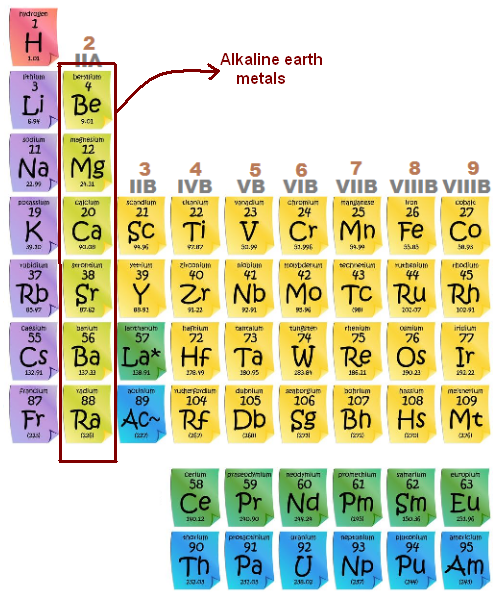
What Are Alkali Metals And Alkaline Earth Metals
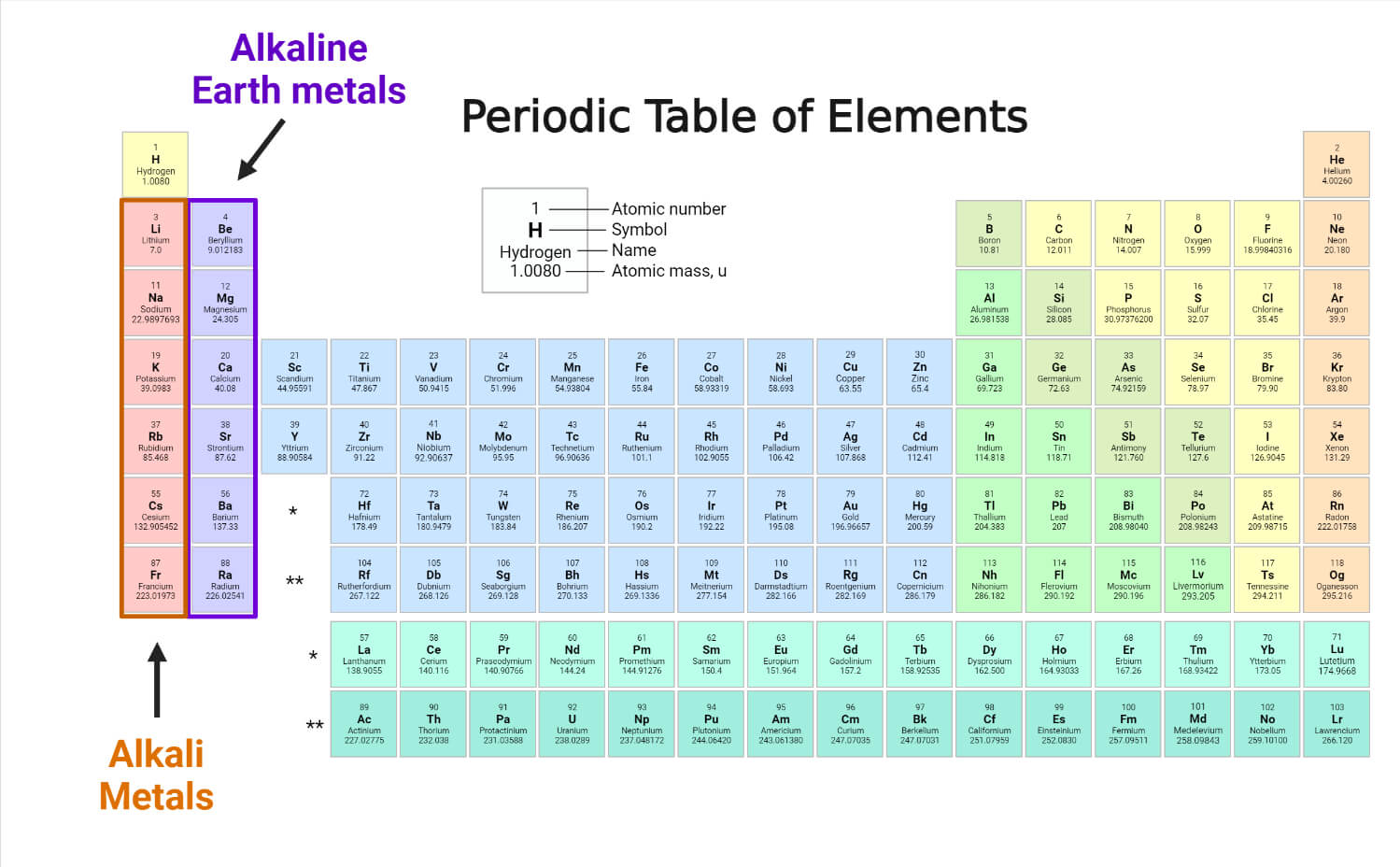
Have you ever wondered what makes fireworks so vibrant, or why your phone battery can power your life? Believe it or not, the answer might lie in a fascinating group of elements known as the alkali metals and alkaline earth metals. While they might sound like something out of a science fiction novel, these elements are actually the unsung heroes of our everyday world, and understanding them can be surprisingly rewarding, even for those who aren't scientists!
So, what's the buzz? Why should an artist, a hobbyist chef, or even just someone curious about the world care about these metallic marvels? Well, for starters, knowing about alkali and alkaline earth metals unlocks a deeper appreciation for the materials around us. For artists, understanding the properties of these metals (or, more realistically, compounds containing them) can inform choices about pigments and materials. Imagine a painter understanding how different metal oxides influence the hue and stability of their paints. Or a ceramic artist manipulating the chemical composition of their glazes to achieve unique colors and textures. It’s about moving from intuitive understanding to a more intentional and informed approach to creativity.
For the hobbyist chef, it's about understanding the chemistry of cooking. Think about sodium (an alkali metal) in salt and its role in enhancing flavors. Or magnesium (an alkaline earth metal) which is essential for plant growth, and therefore, crucial for creating delicious and nutritious vegetables. Understanding these elements gives you a better grasp of how ingredients interact and how to create culinary masterpieces. Even casual learners can benefit. Knowing that lithium (an alkali metal) is used in batteries demystifies the technology that powers so much of modern life. Similarly, understanding the role of calcium (an alkaline earth metal) in bone health helps us make informed decisions about our diet.
Must Read
Let's look at some examples. Think of the vibrant red of a firework - often achieved using strontium (an alkaline earth metal) compounds. Or consider the green hues that come from barium (another alkaline earth metal). Even the subtle blue tints can involve copper compounds, which interact with these metals to create diverse color palettes. In cooking, think of the differences between baking powder (often containing sodium bicarbonate, an alkali metal compound) and baking soda. They both make things rise, but work in distinct ways due to their chemical composition. Different cheeses use calcium chloride to improve the texture and firmness of cheese curds.
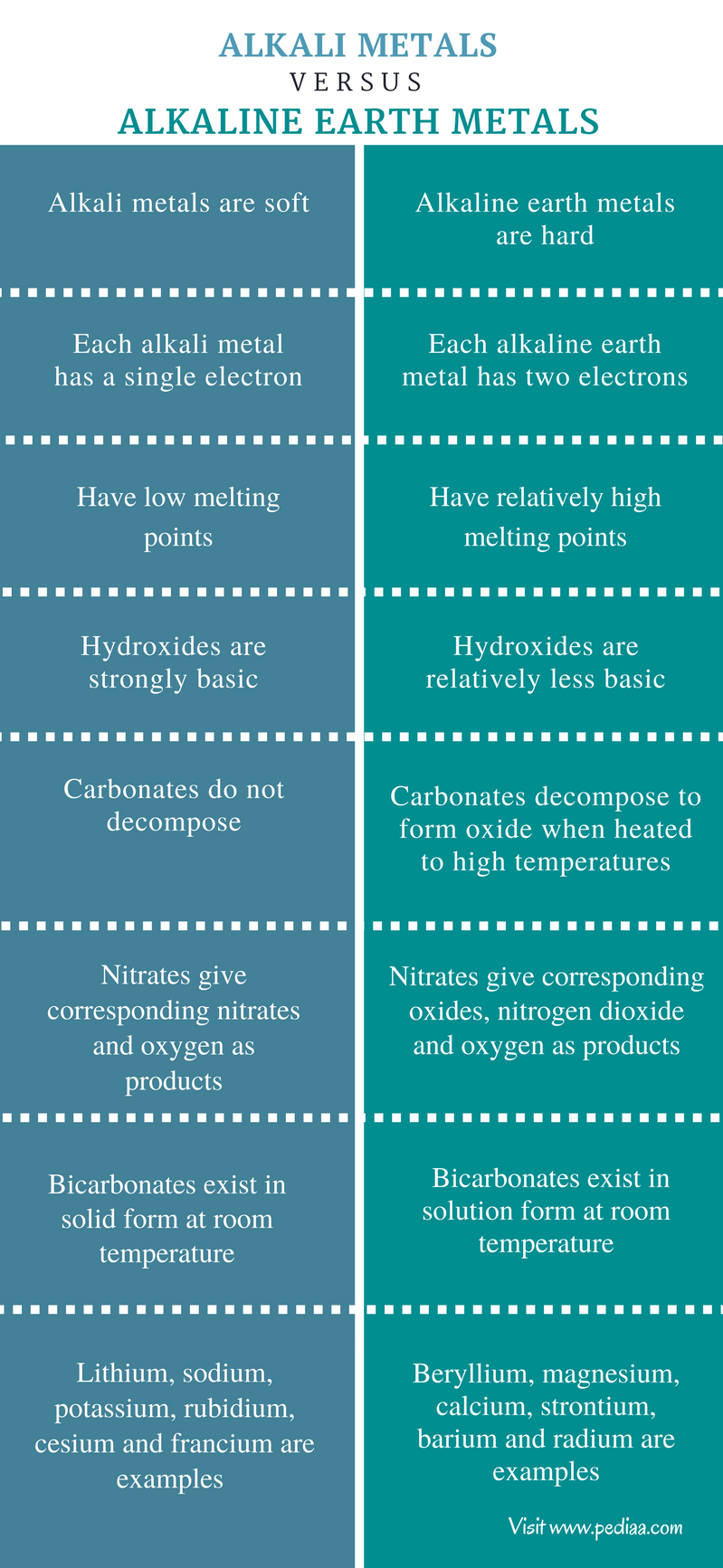
Feeling inspired to learn more? While handling pure alkali metals is best left to professionals (they react violently with water!), you can explore their properties through safer means. Investigate the ingredients in your household cleaning products and research the role of sodium or potassium compounds. Check the labels of your vitamins and see what minerals are present and their corresponding benefits. For a more hands-on approach, try making homemade playdough. Salt (sodium chloride) is a key ingredient that influences its texture and shelf life. Observing these simple applications will give you a tactile introduction to the wonderful properties of these elements.
Ultimately, understanding alkali metals and alkaline earth metals isn't just about memorizing facts. It's about developing a deeper appreciation for the building blocks of our world and how they contribute to the beauty, functionality, and even the taste of our everyday lives. It's a journey of discovery that can spark creativity, inspire curiosity, and remind us of the interconnectedness of science and art. So, go ahead, dive into the world of alkali and alkaline earth metals and discover the hidden wonders they hold – you might just be surprised at what you find!