
What Are Advantages And Disadvantages Of Oil
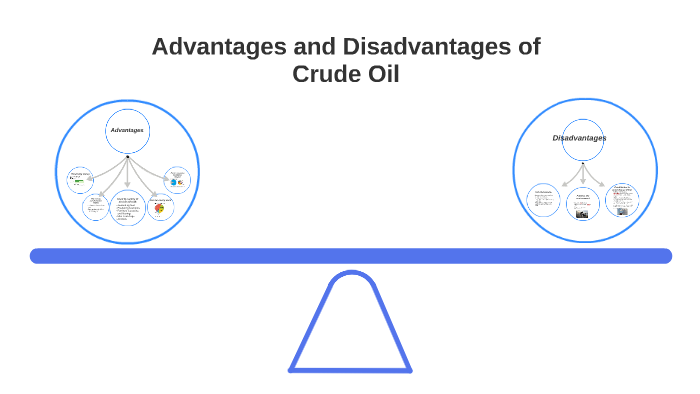
Hey everyone, ever wondered about oil? Not just the stuff you cook your fries in, but the black gold that powers, well, pretty much everything? It's kind of a big deal, and like most big deals, it has its ups and downs. So, let's dive in, shall we? Think of this as a casual chat about the good, the bad, and the kinda oily aspects of crude oil.
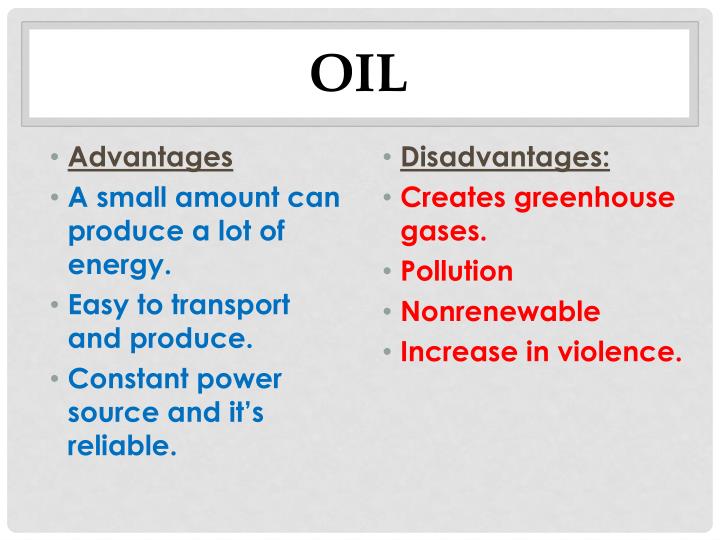
The Shiny Side: Advantages of Oil
Okay, let's start with the good stuff. Why is oil so popular anyway? Well, for starters, it's energy dense. What does that mean? Imagine packing a whole pizza worth of energy into something the size of a slice. That's kind of what oil does! A small amount of oil can generate a LOT of power. That's super handy, right?
And it's not just about raw power. Oil is also incredibly versatile. We’re talking beyond fueling your car. Think plastics, medicines, even your favorite lipstick probably has something to do with oil! It's like the Swiss Army Knife of the chemical world.
Must Read
Plus, let's not forget infrastructure. We've built our entire world around oil. From pipelines snaking across continents to refineries humming day and night, the infrastructure is HUGE. It’s like a giant, already-built highway system designed specifically for oil. Changing that is a massive undertaking, wouldn't you agree?
And let's be honest, oil has historically been relatively cheap and easy to extract. I say “historically” because that's changing, but compared to some other energy sources, getting oil out of the ground has been a pretty straightforward (and profitable) process. Think of it like this: it's been the low-hanging fruit on the energy tree.

Finally, job creation. The oil industry employs millions of people worldwide. From geologists searching for new deposits to engineers building pipelines, and everyone in between, it's a significant source of employment. That's a big plus for economies around the globe.
The Slippery Slope: Disadvantages of Oil
Alright, now for the less glamorous side of things. Because let's face it, there are some serious drawbacks to our oil addiction. The biggest one? You guessed it: the environment.
Burning oil releases greenhouse gases, which contribute to climate change. We're talking melting ice caps, rising sea levels, and more extreme weather events. It’s like turning up the thermostat on the entire planet. Not a good look, right?
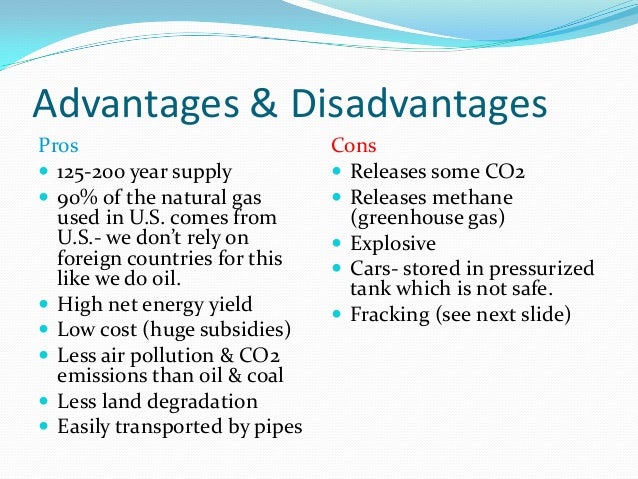
And it's not just about the air. Oil spills, like the infamous Deepwater Horizon disaster, can devastate marine ecosystems, killing wildlife and polluting coastlines. Imagine your favorite beach covered in thick, black sludge. Horrifying, isn’t it?
Then there's the issue of resource depletion. Oil is a finite resource. We're using it up faster than it's being created (which takes millions of years, by the way!). It's like constantly withdrawing money from your bank account without ever depositing anything. Eventually, you're going to run out.

Oil also creates geopolitical instability. Countries with large oil reserves often wield significant power, leading to conflicts and tensions around the world. It's like having the only water well in a desert – everyone wants a piece, and that can lead to trouble.
Finally, the price of oil can be incredibly volatile. This impacts everything from the cost of gasoline at the pump to the price of goods at the grocery store. Imagine trying to budget when the price of everything keeps changing! Frustrating, right?
The Big Question: What's Next?
So, where does all this leave us? Oil is a powerful and versatile resource, but it also comes with some serious baggage. We've built our world around it, but it's clear that we need to find more sustainable and less damaging alternatives. Is it easy? No way. But is it necessary? Absolutely.
Think about renewable energy sources like solar, wind, and geothermal. They're not perfect (nothing is!), but they offer a cleaner and more sustainable path forward. It’s like trading in your gas-guzzling car for a hybrid or electric vehicle. It might take some getting used to, but it’s better for the planet in the long run.
Ultimately, the future of energy is going to involve a mix of different sources, and finding the right balance is key. What do you think? Can we break free from our oil addiction? It's a complex issue with no easy answers, but it's definitely something worth thinking about, right?
Thanks for joining me on this little oily adventure!