
What Are 5 Types Of Pollution That Is In Biomass
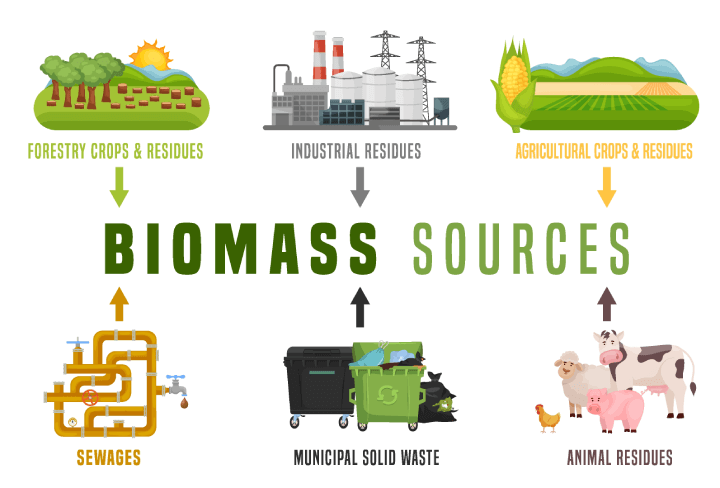
Hey there! Ever wonder if that "eco-friendly" biomass energy is actually all that friendly? Like, does it have a dark side? Well, grab your coffee (or tea, no judgement!), and let's spill the beans (pun intended!) on the kinds of pollution that can sneak into the biomass biz. It's not all sunshine and biofuel, ya know?
1. Particulate Matter (PM): Tiny Terrors!
Okay, first up: Particulate Matter. Think of it as dust, but like, super dust. Tiny, microscopic particles floating around in the air. Yum? Didn’t think so! When biomass is burned (and let's face it, burning stuff is a big part of it), these little guys are released. And guess what? They can get deep into your lungs. Nasty!
Specifically PM2.5, which is the really tiny stuff, is a big concern. Why? Because it causes respiratory problems, cardiovascular issues... the list goes on. Basically, breathing gets harder and your heart gets sad. Nobody wants a sad heart!
Must Read
Burning wood? Yep, PM. Burning crops? You guessed it: PM. Even burning sustainably sourced unicorn farts (okay, I made that last one up, but you get the idea!) could, theoretically, produce particulate matter if you could burn a unicorn fart. Hypothetically!
2. Carbon Monoxide (CO): The Silent Assassin (of Oxygen)
Next, we have Carbon Monoxide. This is the sneaky one. It's colorless, odorless, and tasteless. So, basically, it’s like a ninja of pollution! It forms during incomplete combustion (when things don't burn fully). Think of a poorly tuned engine, or maybe a campfire struggling to get going. That's where CO likes to hang out.

CO basically steals oxygen from your blood. Imagine your blood cells are taxis, and oxygen is the fare. CO jumps in, refuses to pay, and kicks the oxygen out! Pretty rude, right? It can lead to headaches, dizziness, and in high concentrations, even death. So, yeah, let's keep the CO levels down, okay?
3. Nitrogen Oxides (NOx): The Ozone Depleters (And Smog Makers!)
Nitrogen Oxides are another fun bunch (sarcasm alert!). These gases form when nitrogen in the air reacts with oxygen at high temperatures during combustion. So, pretty much any kind of burning. Joy! NOx contributes to smog formation, acid rain (remember that from science class?), and can irritate your respiratory system.
But wait, there's more! NOx also plays a role in depleting the ozone layer. Yes, that ozone layer. The one that protects us from harmful UV radiation. So, NOx is basically a triple threat: smog, acid rain, and ozone depletion. Not exactly a winning combo, is it?
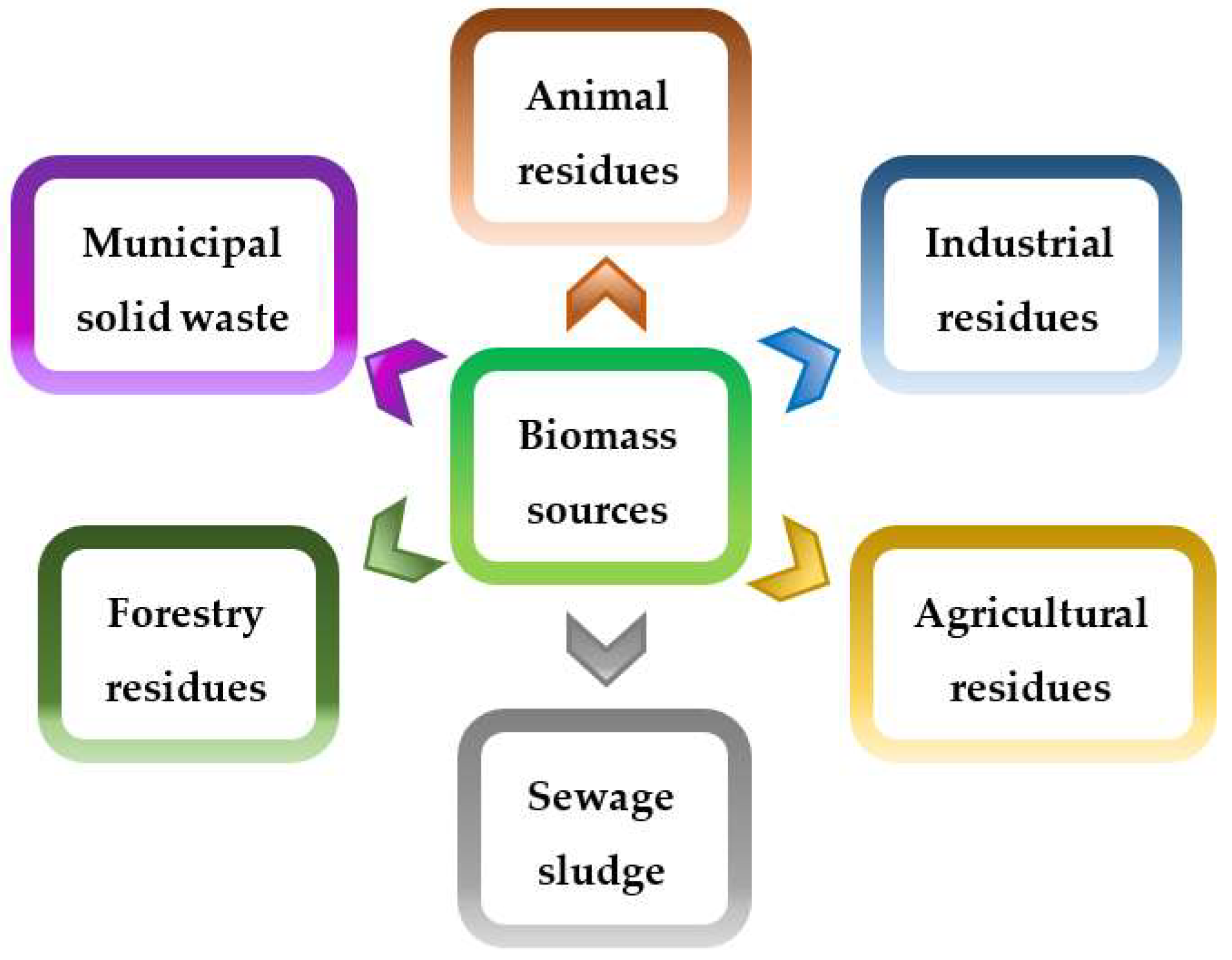
4. Volatile Organic Compounds (VOCs): The "Smelly" Culprits
VOCs, or Volatile Organic Compounds, are a mixed bag of organic chemicals that evaporate easily at room temperature. Think of the smell of fresh paint or a pine tree. Some VOCs are natural and harmless, but others can be released during biomass combustion and can be quite nasty.
These can contribute to smog formation and some are even carcinogenic (cancer-causing!). Some examples include formaldehyde and benzene. Not exactly the kind of stuff you want floating around in your air. Although, I do admit, some VOCs smell nice. But let’s be honest, that doesn’t mean they're good for you!

5. Ash: The Leftover Grime
Finally, we have ash. The unglamorous leftovers after biomass is burned. Now, ash itself isn't necessarily a gas, but it can contain harmful elements and can become airborne, contributing to particulate matter pollution.
Plus, what do you do with all that ash? It needs to be disposed of properly, which can be a challenge. It can also leach into the soil and water, potentially contaminating it with heavy metals and other pollutants. So, even the ashes of our dreams (of clean energy, that is!) can be a bit messy, huh?
So, there you have it! Five types of pollution that can be associated with biomass. Does this mean biomass is always bad? Nope! But it does mean we need to be smart about how we use it. Cleaner burning technologies, proper emission controls, and sustainable sourcing are all key to minimizing the environmental impact. Now, refill your coffee. We've earned it!
