What Are 3 Major Fossil Fuels
Ever paused to wonder about the invisible force that powers your favorite devices, lights your home, and even brings your morning coffee to life? It's a vast, intricate web of energy, and at its very heart lie three remarkable natural resources that have shaped our modern world. Understanding them isn't just for scientists; it's a fascinating journey for anyone curious about the nuts and bolts of daily existence, making you a more informed and empowered citizen of our energy-driven planet!
For the casual learner, diving into the world of fossil fuels offers an incredible perspective on history, economics, and even the future. It’s like peeking behind the curtain of civilization, revealing the raw power that ignited industrial revolutions and continues to fuel our global society. There's a certain satisfaction in comprehending such fundamental forces, much like an artist appreciates the primary colors that form every masterpiece.
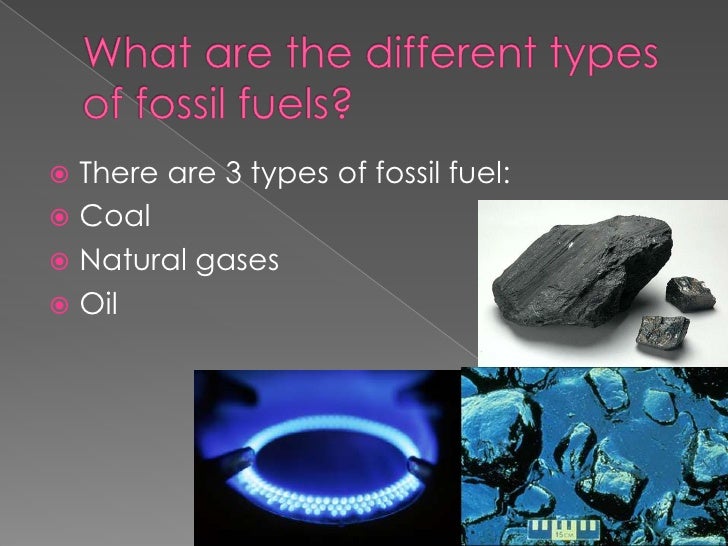
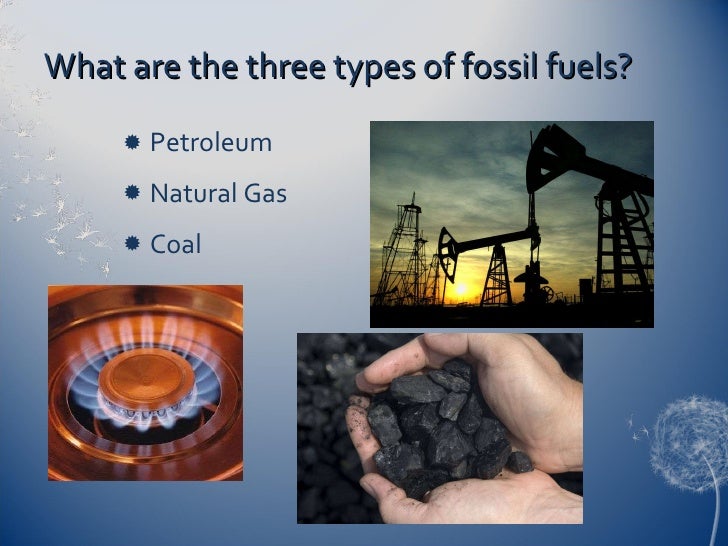
So, what are these three energy titans? Let's meet the "Big Three":
Must Read
-
Coal: The Ancient Workhorse
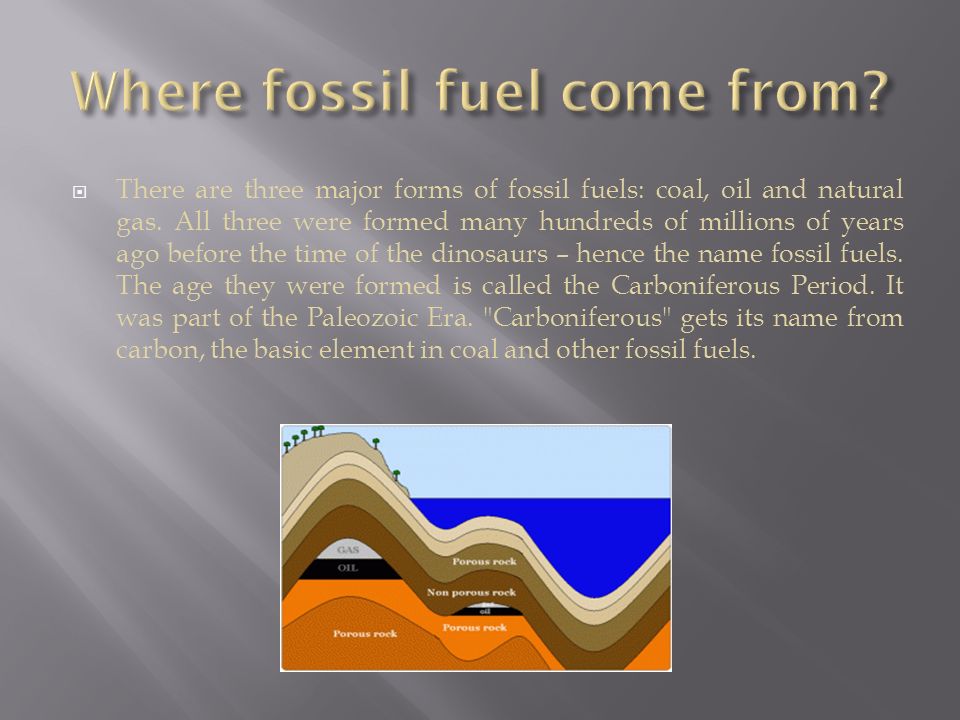
Imagine vast swamps teeming with ancient plants, buried under layers of earth over millions of years, slowly transforming under immense pressure and heat. That's how coal, the oldest and most abundant of the fossil fuels, was formed. It was the driving force behind the Industrial Revolution, literally powering steam engines and factories. Today, it remains a significant source for electricity generation worldwide. Think of it as the solid foundation of our energy infrastructure, a dark, dense rock with incredible stored energy.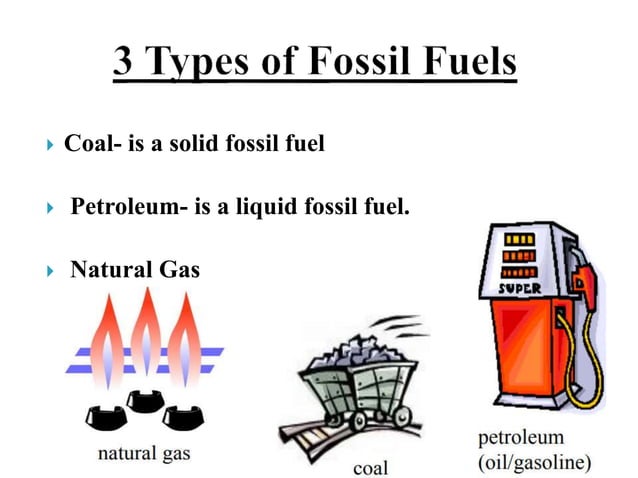
FOSSIL FUELS: TYPES, FACTS, ADV & DIS ADV AND CALORIFIC VALUE | PPT -
Oil (Petroleum): The Versatile Liquid Gold
Often called "black gold," oil is a liquid treasure, formed from the remains of marine organisms compressed over eons beneath the seabed. Its versatility is astounding! While primarily known for fueling our cars, planes, and ships, oil derivatives are also key ingredients in countless products – from plastics and pharmaceuticals to cosmetics and clothing. It's the arterial blood of modern transportation and manufacturing, keeping global commerce flowing. -
Natural Gas: The Cleaner Companion
Frequently found alongside oil deposits, natural gas is primarily methane, a gaseous hydrocarbon. Formed under similar conditions to oil, it's often considered a "cleaner burning" fossil fuel compared to coal and oil, producing fewer pollutants when combusted. It's a common source for heating homes, generating electricity, and even as a fuel for vehicles. Consider it the invisible power that warms your home and cooks your meals, flowing quietly through pipelines.
Fossil Fuels. - ppt download
While we certainly don't recommend "trying" fossil fuels at home (safety first, always!), you can explore their impact and future by becoming an energy-savvy individual! Here are a few "tips" for the curious mind:
- Investigate Your Own Home's Energy: Look at your utility bills! What sources power your electricity? Do you use natural gas for heating? Understanding your personal energy footprint is a great starting point.
- Research Renewable Alternatives: For every fossil fuel, there's a growing renewable counterpart. Explore solar, wind, and geothermal energy to see how they're shaping the future.
- Watch Documentaries and Read Books: Many accessible resources explain the science and geopolitics of energy in engaging ways.
The enjoyment of understanding these major fossil fuels comes from the profound realization of their historical significance and ongoing role in our world. It's empowering to grasp the origins of our energy, fostering a deeper appreciation for the modern conveniences we often take for granted. By understanding these powerful forces, we become more equipped to participate in conversations about our energy future, making informed choices for a brighter, more sustainable tomorrow. It truly is a journey of discovery, offering a robust foundation for understanding the very pulse of our civilization!