What Are 3 Examples Of Nonrenewable Resources
Ever wondered where the energy to power your phone, heat your home, or drive your car really comes from? It's easy to take it all for granted, but digging a little deeper into our energy sources is actually pretty fascinating! We're talking about resources, specifically nonrenewable resources. Think of them like limited-edition collector's items – once they're gone, they're gone! Understanding these resources is super useful because it helps us make informed choices about how we use energy and how we can protect our planet.
So, what exactly are nonrenewable resources? Essentially, they are natural resources that exist in finite quantities. This means they can't be replenished at the same rate that we consume them. Mother Nature took millions of years to create these resources, and we're using them up much faster than she can make more. This raises some pretty important questions about sustainability and the future of our energy supply.
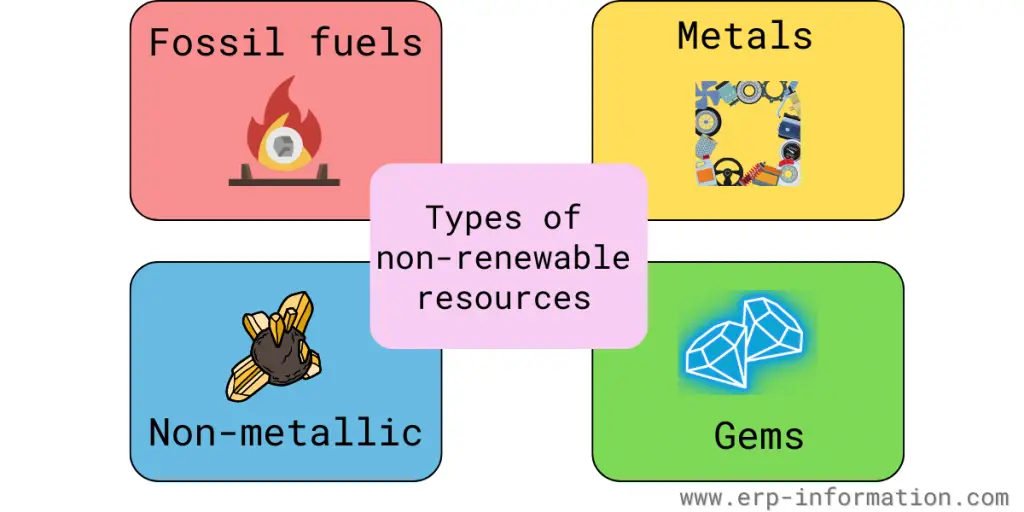
Let's dive into three key examples of nonrenewable resources:
Must Read
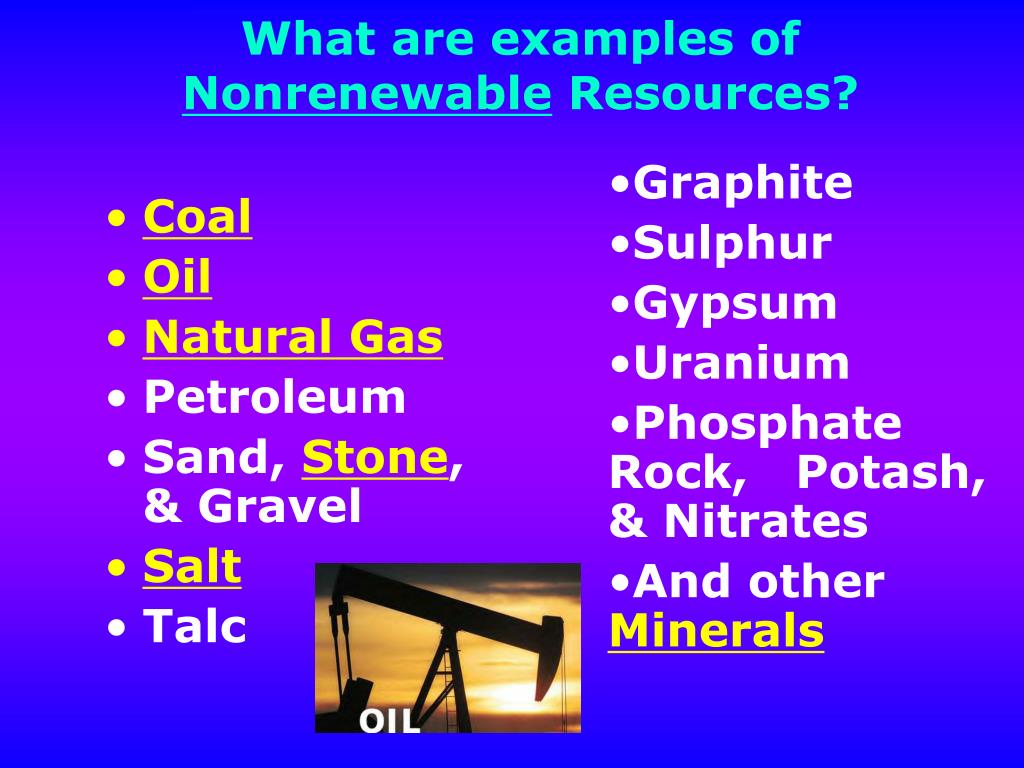
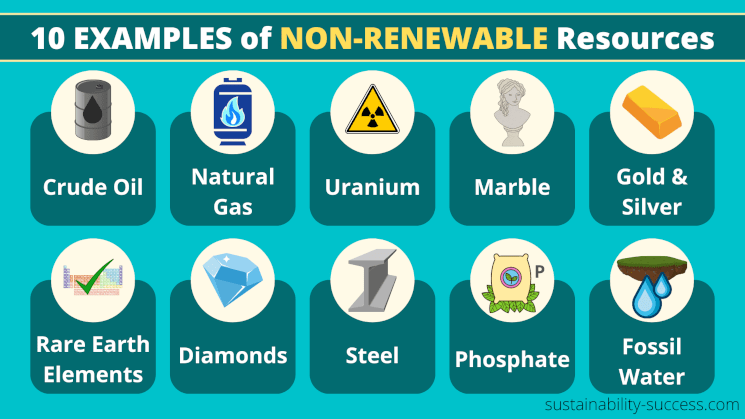
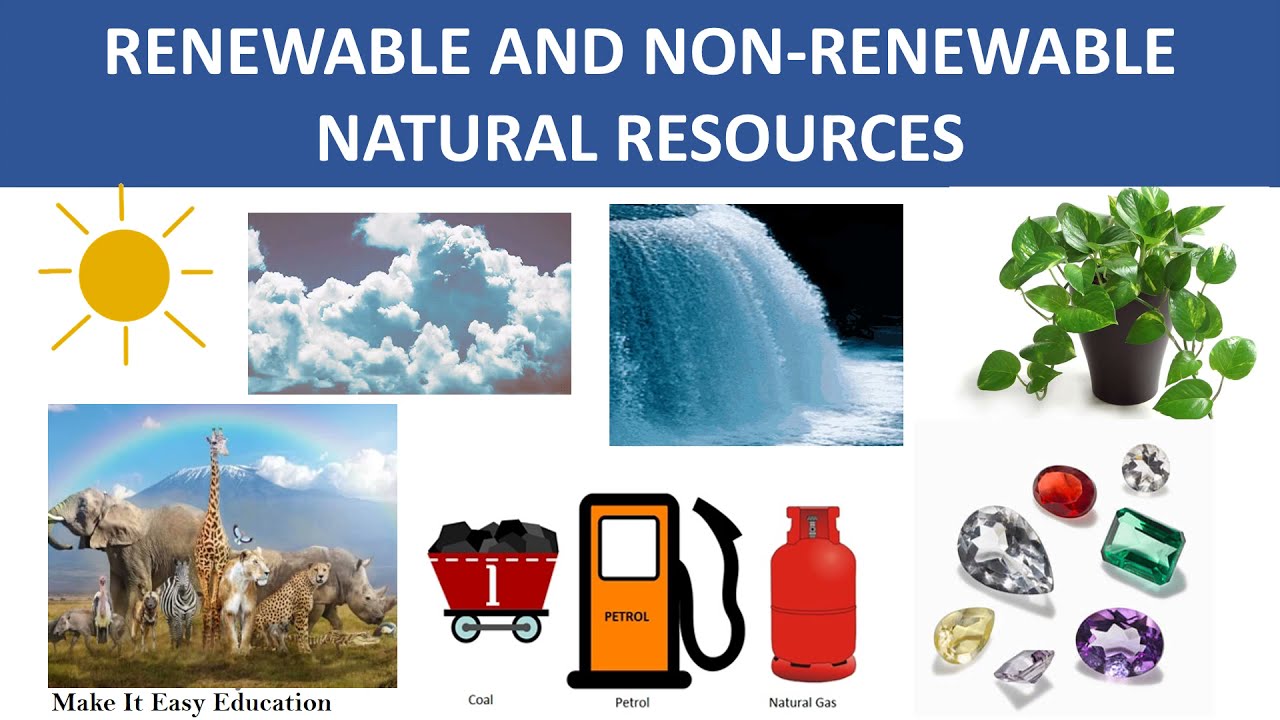
1. Fossil Fuels (Coal, Oil, and Natural Gas): These are the superstars (or perhaps notorious villains?) of the nonrenewable world. Formed from the remains of ancient plants and animals subjected to intense heat and pressure over millions of years, they're the backbone of much of our modern energy production. Think of it: prehistoric ferns powering your laptop! Burning these fuels releases energy, which we use to generate electricity and power vehicles. However, the process also releases greenhouse gases, contributing to climate change. Understanding the impact of fossil fuels is crucial in exploring alternative energy solutions.
2. Nuclear Energy (Uranium): While not a fossil fuel, uranium is another important nonrenewable resource used to generate electricity in nuclear power plants. Uranium ore is mined from the earth, processed, and then used in a process called nuclear fission to create heat, which in turn boils water and creates steam to spin turbines and generate electricity. While nuclear power doesn't produce greenhouse gases, it does create nuclear waste, which requires careful storage and disposal for thousands of years. This highlights the complexity of energy choices: every source has its benefits and drawbacks.

3. Certain Minerals (like metals used in electronics): While not always discussed in the same breath as energy, minerals like copper, gold, and rare earth elements are also nonrenewable. These materials are essential for manufacturing everything from smartphones and computers to wind turbines and electric vehicles. Mining these resources can have significant environmental impacts, and their limited availability raises concerns about resource scarcity and sustainable consumption. As technology advances, our demand for these minerals will only increase, making responsible mining practices and recycling even more important.
Understanding these three examples of nonrenewable resources is a first step towards making more informed decisions about our energy consumption and supporting sustainable practices. It’s about recognizing the finite nature of these resources and thinking critically about the long-term impact of our choices. By being aware and exploring alternative options, we can all contribute to a more sustainable future!