What Are 10 Disadvantages Of Nuclear Energy
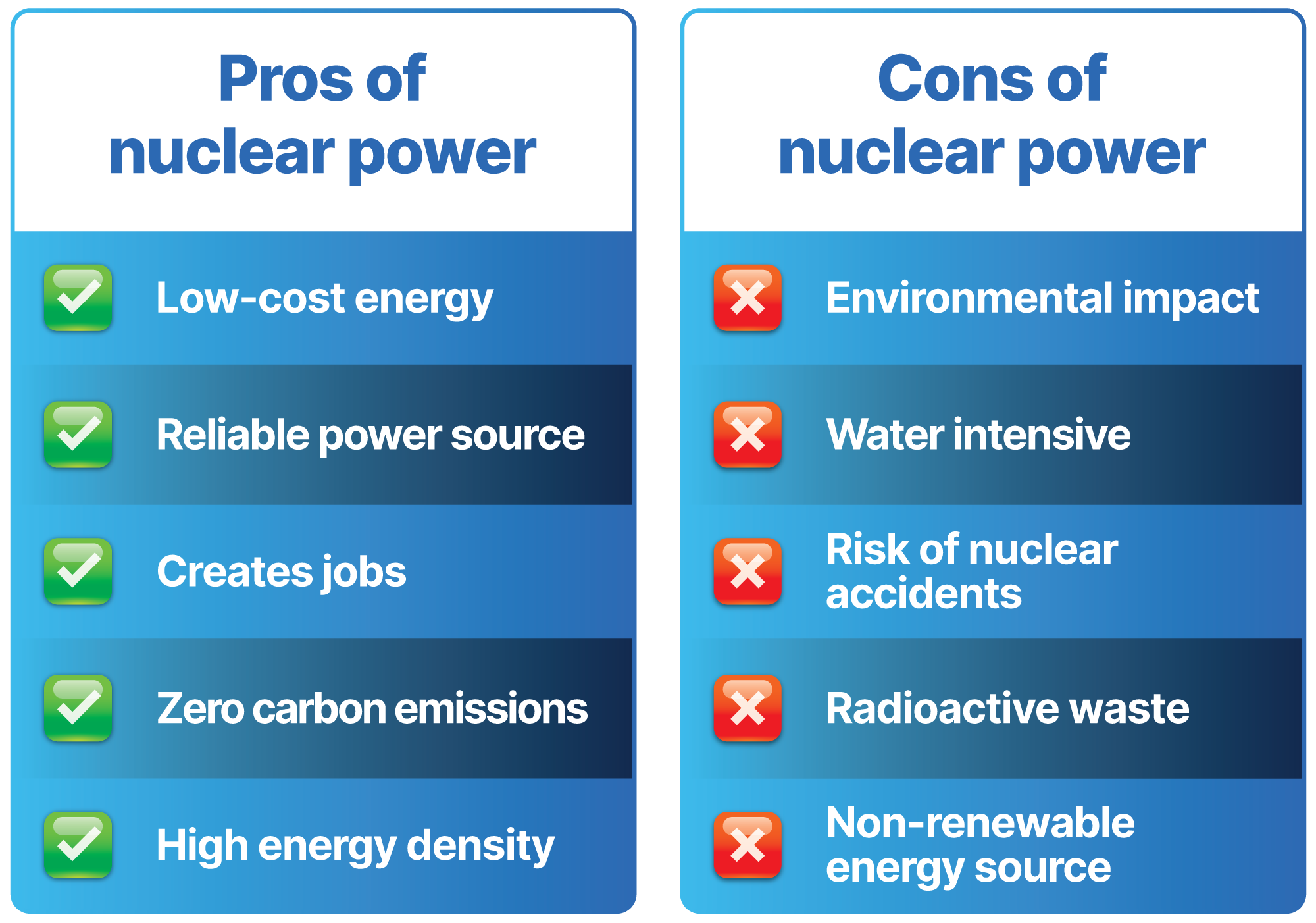
Alright, let's talk nuclear energy. It's a hot topic (pun intended!), often touted as a clean alternative to fossil fuels. But before we jump on the bandwagon, let's peek under the hood and explore some potential downsides. Because, you know, every rose has its thorn, and every energy source has its… well, disadvantages.
1. The Elephant in the Room: Nuclear Waste
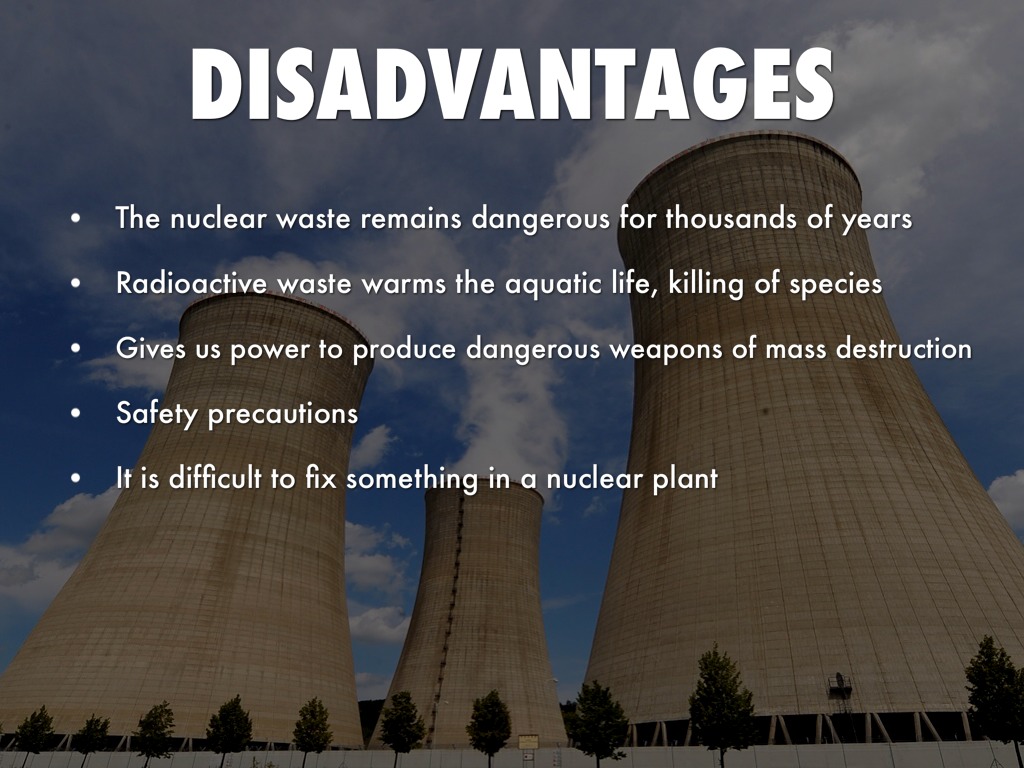
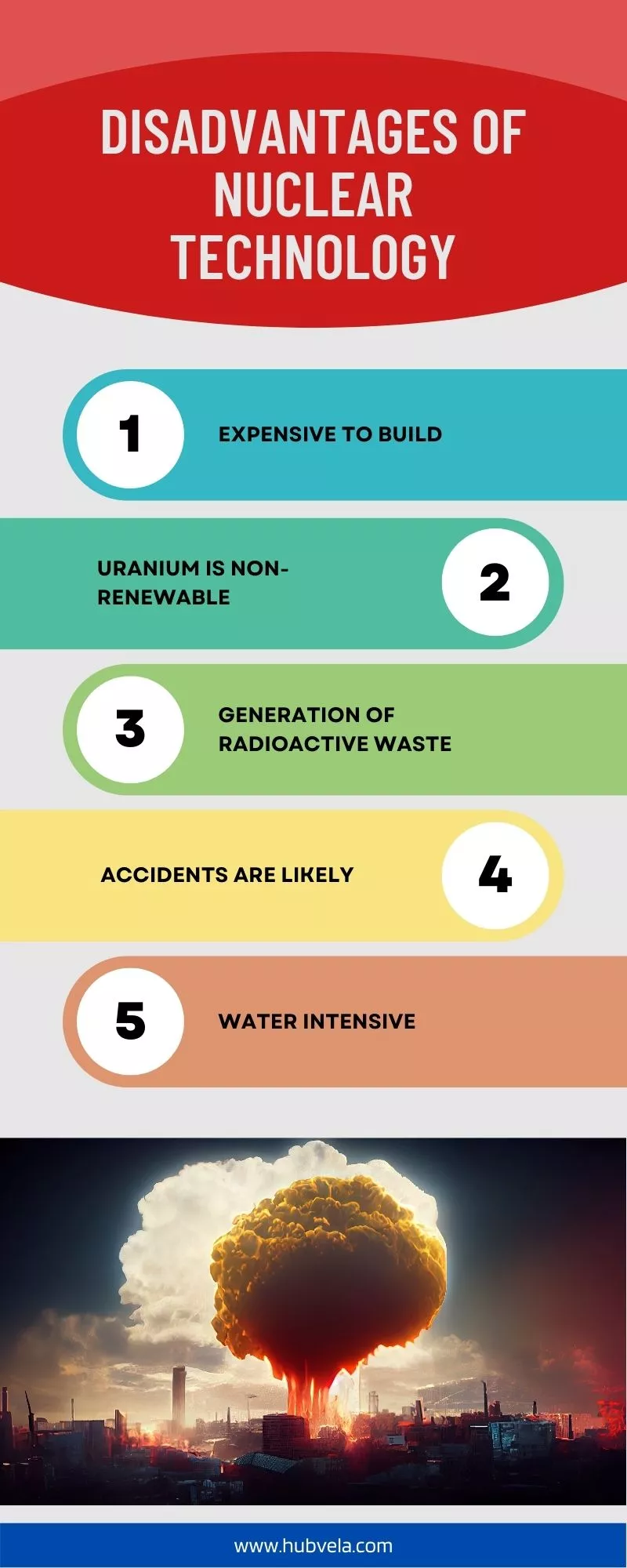
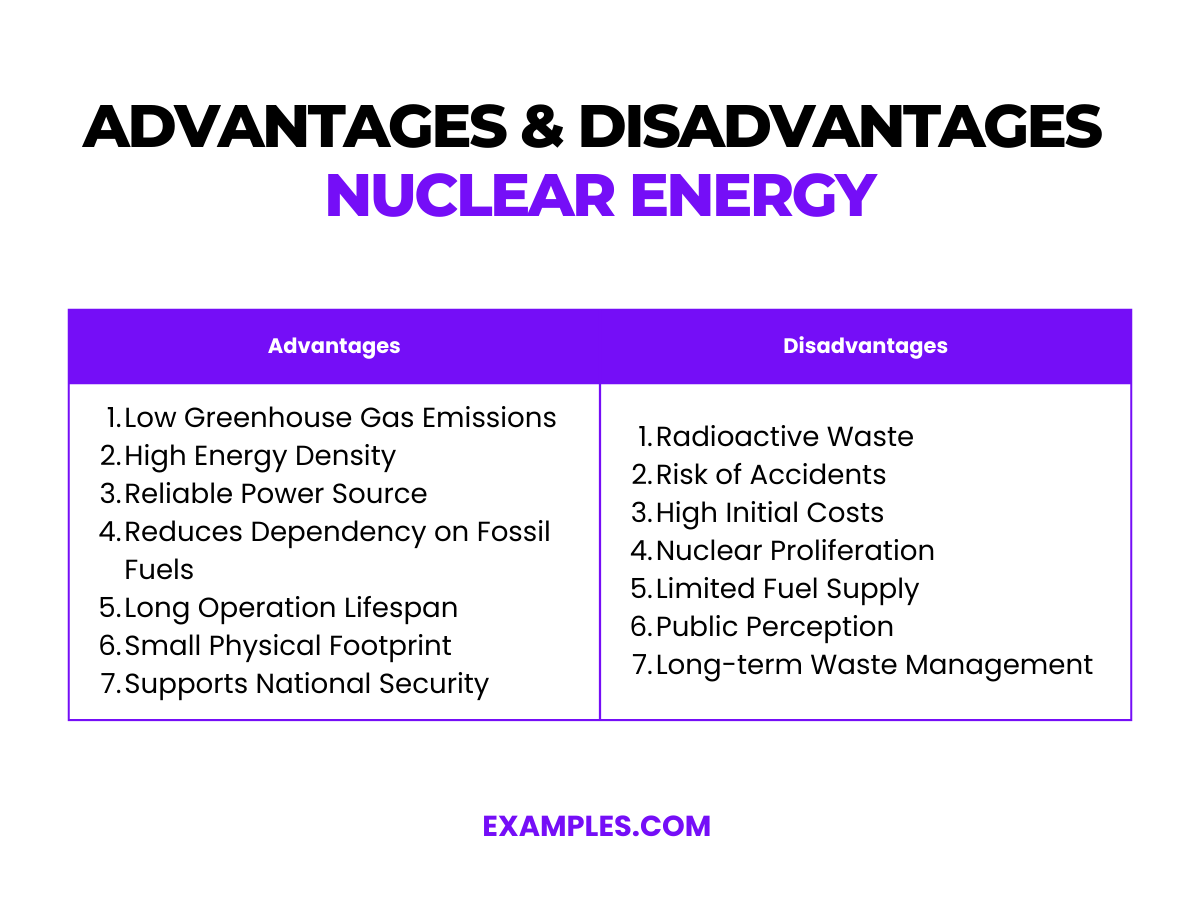
Let's start with the big one: nuclear waste. Unlike other energy sources, nuclear reactors produce radioactive waste that remains hazardous for thousands of years. We're talking longer than the Roman Empire existed! Finding safe, long-term storage solutions is a massive challenge. Think about it: where do you safely stash something that could potentially harm future generations for millennia? It's like trying to find the perfect parking spot in Manhattan – stressful and seemingly impossible.
2. High Upfront Costs: Breaking the Bank
Building a nuclear power plant isn't exactly cheap. We're talking billions of dollars. These enormous initial investments can be a major hurdle, especially for countries or companies with limited financial resources. It's like trying to buy a penthouse apartment straight out of college – a dream, but probably not happening anytime soon.
Must Read
3. The 'Oops' Factor: Accidents Happen
Nobody's perfect, and that includes nuclear power plants. While rare, accidents like Chernobyl and Fukushima remind us of the potential for catastrophic disasters. The consequences of these events can be devastating, leading to widespread contamination, displacement, and long-term health problems. It's a chilling reminder that even with advanced technology, human error and unforeseen events can have devastating consequences. Think "Mr. Robot" meets reality, and you get the picture.
4. Security Risks: A Target on Their Backs
Nuclear facilities are potential targets for terrorist attacks or sabotage. Imagine the damage a coordinated assault could inflict. Protecting these sites requires constant vigilance and robust security measures, adding to the already significant costs. It's like protecting Fort Knox, but with potentially even higher stakes.
5. Uranium Mining: Not So Green After All
While nuclear power itself doesn't produce greenhouse gases, the uranium mining process can be environmentally damaging. Mining can lead to habitat destruction, water contamination, and the release of radioactive materials. It's a bit ironic – trying to be environmentally friendly, but creating environmental problems along the way. Think of it as trying to eat healthy, but only having access to processed "health" foods.
6. Proliferation Concerns: A Dangerous Game
The same technology used to generate nuclear power can also be used to create nuclear weapons. This creates a risk of nuclear proliferation, making it more difficult to prevent the spread of these dangerous weapons. It's like giving someone the recipe for a delicious cake, only to realize they might use it to bake something… less delicious.
7. Public Perception: The Fear Factor
Let's face it, nuclear power has an image problem. Many people are simply afraid of it, thanks to historical events and media portrayals. This fear can make it difficult to gain public support for new nuclear projects, even if they are safer and more advanced than previous generations. It's like trying to convince someone to try sushi for the first time, despite their preconceived notions about raw fish.
8. Water Usage: Thirsty Business
Nuclear power plants require large amounts of water for cooling. This can put a strain on water resources, especially in arid or drought-prone areas. It's like constantly running the air conditioner in the summer – it's effective, but it uses a lot of energy (and water, in this case).
9. Limited Uranium Supply: Running on Empty?
While uranium is relatively abundant, it's not infinite. There are concerns about the long-term availability of uranium resources. While technologies like breeder reactors could potentially extend the lifespan of uranium reserves, they also come with their own set of challenges. It’s like having a limited edition vinyl record – eventually, you won’t be able to find it anymore.
10. Regulatory Hurdles: Red Tape City
Navigating the complex regulatory landscape for nuclear power can be a major headache. Obtaining permits and licenses can take years and require significant resources. This can delay projects and increase costs. It's like trying to get a building permit in a city with endless bureaucracy – prepare for a long and winding road.
So, there you have it – ten potential downsides to nuclear energy. It's a complex issue with no easy answers. But by understanding the challenges, we can have a more informed and nuanced discussion about the future of energy.
Reflection: Even seemingly "clean" solutions come with trade-offs. This reminds us to be critical thinkers in all areas of our lives, from choosing what we eat to evaluating political promises. Everything has a cost, and it's up to us to weigh the pros and cons before making decisions that impact ourselves and the world around us. The next time you flip a light switch, consider the journey that energy took to get there!