What Appliances Qualify For Energy Tax Credit
Hey there, friend! Ever feel like your appliances are secretly plotting against your wallet? They hum and whir, keeping your food cold and your clothes clean, all while racking up that energy bill. Well, guess what? Uncle Sam might be on your side this time! Let's talk about energy tax credits – basically, free money for making your home more energy-efficient. And who doesn't love free money? It's like finding a twenty in your old jeans... except way better, potentially!
So, which of your household helpers actually qualify? Don't worry; I'm here to break it down in plain English (no complicated tax jargon here, promise!). We'll be focusing on the credits available under the Inflation Reduction Act, which is pretty awesome. Let's dive in!
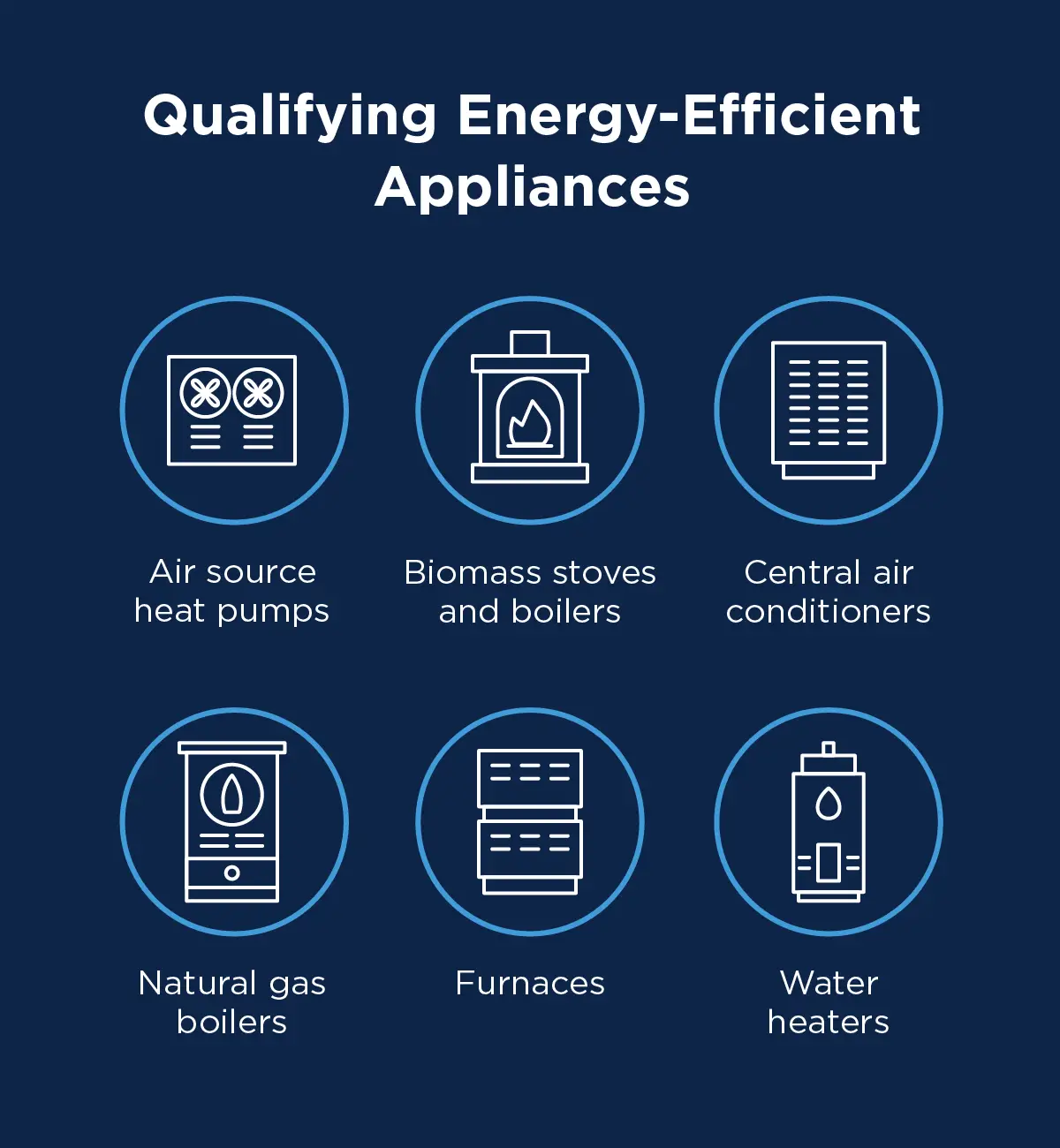
Heat Pumps: The Cozy Credit
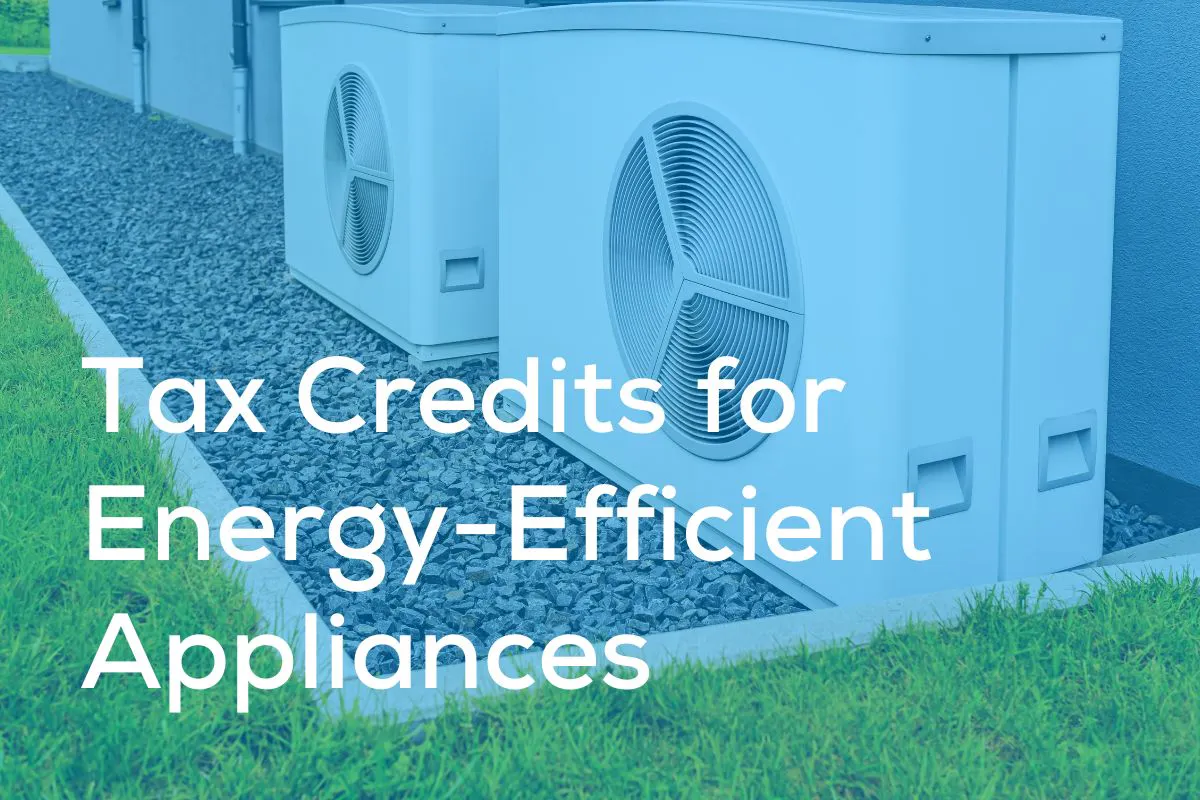
First up, we have heat pumps. These nifty devices are like the superheroes of home heating and cooling. They efficiently move heat from one place to another, providing both warmth in the winter and cool air in the summer. Think of them as reverse air conditioners – mind-blowing, right?
Must Read
If you install a new, qualifying heat pump, you can snag a credit for 30% of the cost, up to a maximum of $2,000. That’s a pretty sweet deal! Just make sure it meets the energy efficiency standards required by the government. Nobody wants a heat pump that's just... lukewarm.
Water Heaters: Hot Stuff for Your Wallet
Next, let's talk about water heaters. Nobody likes a cold shower (unless you're into that polar bear plunge thing, which, frankly, sounds a bit bonkers). Upgrading to an energy-efficient water heater can save you money and ensure you always have hot water ready for that relaxing bubble bath.
![What Appliances Qualify for Energy Tax Credit? [2024 Guide]](https://www.aireserv.com/us/en-us/aire-serv/_assets/images/three-steps-to-claim-tax-credit-for-energy-efficient-appliances.webp)
Similar to heat pumps, you can get a credit for 30% of the cost, up to a maximum of $2,000, for installing a qualifying energy-efficient water heater. This includes heat pump water heaters and certain gas water heaters. Again, check those efficiency ratings! We want "saving money" hot water, not "emptying your bank account" hot water.
Exterior Doors, Windows, and Insulation: Sealing the Deal
Okay, so these aren't exactly "appliances," but they're crucial for energy efficiency. Imagine trying to heat or cool your home with drafty windows and doors. It's like trying to fill a bathtub with the drain open – a total waste of energy (and money!).
Exterior doors, windows, and insulation all qualify for a 30% tax credit, up to a combined maximum of $1,200 per year. There are also individual limits, like $600 max for new windows and $250 per door (up to $500 total for all doors). This is all about making your home a cozy fortress against the elements!
![What Appliances Qualify for Energy Tax Credit? [2024 Guide]](https://www.aireserv.com/us/en-us/aire-serv/_assets/images/types-of-energy-efficient-home-improvement-credits1.webp)
Think of it this way: upgrading your insulation is like giving your house a big, warm hug. Upgrading doors and windows is like finally fixing that squeaky hinge that's been driving you crazy for months. Bonus: you'll save energy and money!
Home Energy Audits: Know Before You Grow (Your Energy Bill)
Don’t know where to start? Consider a home energy audit! These audits help you identify areas where your home is losing energy. It's like having a detective investigate your house to find the energy vampires. (Spoiler alert: they're usually hiding in your attic.)
You can claim a credit for 30% of the cost of a home energy audit, up to $150. While it's not a huge amount, it can be a great starting point for making your home more energy-efficient and saving money in the long run. Plus, you'll finally know if your attic is actually haunted... by drafts!
Important Notes and Fine Print (Don’t Panic!)
Now, before you start tearing apart your house and installing new appliances, a few key things to keep in mind:
- Efficiency Standards: Ensure the appliances and materials you're buying meet the required energy efficiency standards to qualify for the credit. The Energy Star website is your best friend here.
- Keep Records: Hold onto those receipts! You'll need them when you file your taxes. Treat them like gold.
- Professional Installation: Some credits require professional installation. Double-check the requirements before you DIY it.
- Consult a Tax Professional: This article is for informational purposes only and isn't tax advice. Always consult with a qualified tax professional to ensure you're claiming the credits correctly. They're the real wizards here!
So, there you have it! Snagging those energy tax credits is a fantastic way to save money, reduce your carbon footprint, and make your home more comfortable. It's a win-win-win situation! You'll feel good knowing you're doing your part for the environment (and your wallet will thank you too!). Now go forth and conquer those energy bills!