
What Amp Should A Car Battery Be

Ever gazed under the hood of your car, maybe when you’re topping up the washer fluid, and spotted that big, black box? That, my friend, is your car battery. And it’s not just a big black box; it’s a tiny power plant, a silent hero, and a surprisingly quirky character in the grand opera of your daily commute.
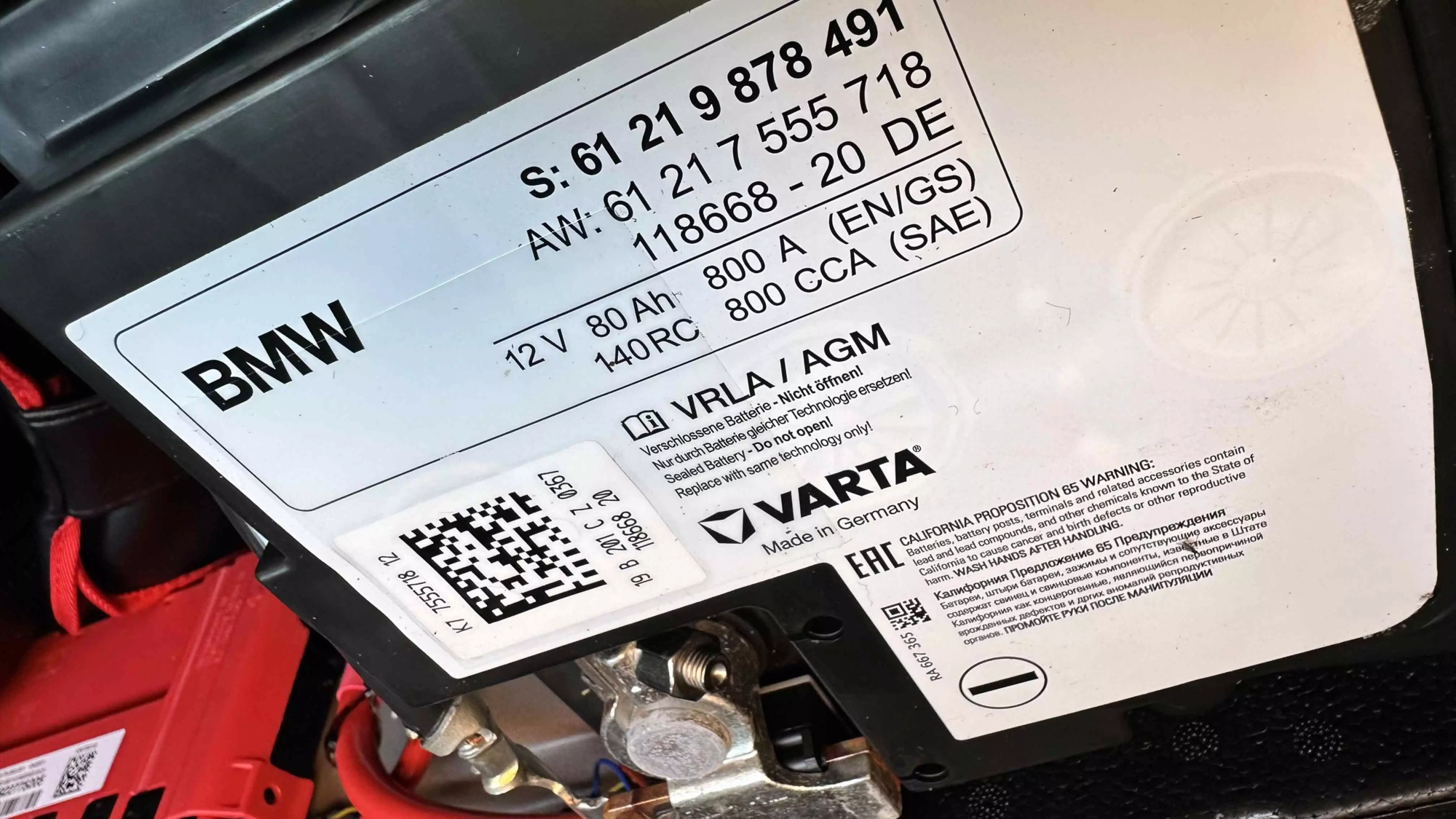
But then you see all these numbers printed on it. "CCA," "CA," "RC"... It's like a secret code! And you might wonder, "What amp should a car battery be?" Sounds super technical, right? Don't worry, we’re going to unravel this mystery with a chuckle or two, no serious engineering degrees required!
What Even ARE Amps, Anyway?
Imagine your car battery is a superhero. It has different powers, and these "amps" are like different levels of super strength. The most famous one is CCA, which stands for Cold Cranking Amps. This is like your battery's ability to leap tall buildings in a single bound... specifically, when it's absolutely freezing outside!
Must Read
Think about it: starting a car in winter is like trying to wake up a grumpy bear from hibernation. Everything is stiff, slow, and resistant. The engine oil is thick like molasses, and the starter motor needs a huge kick. CCA tells you how much juice your battery can deliver for 30 seconds at a chilling 0°F (-18°C) while maintaining a decent voltage. Pretty specific, huh?
Then there's CA, or Cranking Amps. This is the same idea, but measured at a balmier 32°F (0°C). So, it's a bit less demanding. And don't forget RC, for Reserve Capacity. This is how long your battery can power essential accessories if your alternator decides to take a nap. It’s like the emergency snack stash for your car!

Why Does Your Car's Heart Beat in Amps?
Your car’s engine doesn't just spontaneously burst into life. Oh no. It needs a massive electrical jolt from the battery to get everything spinning. That initial burst of power is where those amps really shine. It’s like the starting pistol at a race, but for pistons!
If your battery doesn't have enough CCA, especially on a frigid morning, you'll hear that dreaded "rrr-rrr-rrr-click!" sound. That's your car groaning, saying, "I'm trying, but I just don't have the oomph!" It's quite possibly the saddest sound a car can make. A happy, healthy battery, on the other hand, gives you that satisfying, instant "vroom!"
Cars are surprisingly particular. A big SUV with a massive engine needs more grunt to start than a tiny commuter car. It’s like comparing the energy needed to push a bicycle versus a fully loaded dump truck.
The Goldilocks Principle of Car Batteries
So, what's the magic number? Is bigger always better? Not necessarily! While more CCA generally means more starting power, sticking a super-sized battery in a car that doesn't need it can be overkill, literally. Car manufacturers design vehicles with a specific battery size and amp rating in mind.
Too small, and your car won't start reliably. Too big, and it might not fit in the battery tray, or you could pay for power you don't actually need. Plus, modern cars are incredibly sophisticated. They have computers, sensors, and all sorts of electrical demands, even when turned off. A perfectly matched battery keeps everything in harmony.
Funny Battery Fails & Triumphs
We've all been there: parking for a few hours, then nothing. Just the silence of a dead battery. Maybe you left your headlights on. Or perhaps a dome light had a secret party all night! That moment of panic before the kindness of a stranger with jump leads swoops in to save the day? Pure drama!
Did you know car batteries actually hate extreme temperatures? Heat can make them degrade faster than a cheap pair of sunglasses. And cold, as we discussed, saps their power. They're like little Goldilocks, always looking for that "just right" temperature!
So, What's the Magic Number?
Alright, you want the secret sauce? Here it is: check your car's owner's manual! Seriously, it's not a trick. Your car’s manufacturer has already figured out the ideal CCA, CA, and RC for your specific make and model. It's usually listed right there, often under "Specifications" or "Battery."

If you don't have the manual (who keeps those things anyway?), a quick online search with your car's year, make, and model will usually point you to the correct battery type and its recommended amp ratings. Auto parts store websites are also fantastic resources; they’ll often ask for your car details and recommend the perfect fit. It's like having a personal shopper for your battery!
The Unsung Hero: Your Car Battery
So, the next time you hear your car roar to life, spare a thought for that humble, hardworking battery. It’s silently churning out hundreds of amps, ensuring your journey starts smoothly. It’s not just a box; it’s a marvel of chemistry and engineering, always ready to kickstart your day.
Understanding a little bit about its "amp" superpowers makes you appreciate it even more. Who knew a car battery could be so fascinating, right?