Welding With A Wire Feed Welder
Ever looked at a broken metal gate, a wobbly patio chair, or a cool metal sculpture and thought, "I wish I could fix that," or "I'd love to make something like that"? Well, guess what? You absolutely can, and it's probably easier and more accessible than you think, thanks to the magic of the wire feed welder. This isn't your granddad's tricky, stick-wielding, sparks-flying beast; this is the friendly, user-friendly tool that's bringing metalworking into garages and workshops everywhere. It’s truly a fun and incredibly useful skill that empowers you to repair, create, and customize, all while getting a huge dose of satisfaction.
So, who exactly benefits from a wire feed welder? Pretty much everyone! For beginners, it’s a dream. Unlike traditional stick welding, which has a steeper learning curve, wire feed welding is far more forgiving. You simply pull a trigger, and the machine feeds wire into the weld puddle, making it feel more like using a hot glue gun for metal. Families can find endless uses, from mending a busted bike frame or a beloved garden trellis to building custom storage solutions for the garage. Imagine the pride of fixing that rusty BBQ grill or even creating a unique metal art piece together! For hobbyists, the sky's the limit. Think custom shelving, repairing vintage car parts, building bespoke furniture, or crafting intricate metal sculptures. It’s a fantastic way to bring your creative metal ideas to life and save a hefty chunk of change on repairs or custom fabrications.
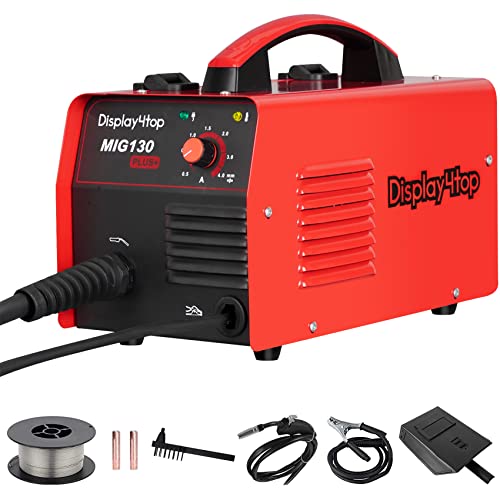
When we talk about wire feed welders, we're usually referring to two main types: MIG (Metal Inert Gas) and Flux-Core. A MIG welder uses a shielding gas (usually a mix of argon and CO2) to protect the weld from contamination, resulting in cleaner, smoother welds, perfect for thinner metals and automotive bodywork. It's often preferred for a professional finish. On the other hand, a Flux-Core welder uses a special wire with a flux compound inside that creates its own shielding gas when heated. This means no external gas cylinder is needed, making it super convenient for outdoor projects (wind won't blow away your shielding gas!) and great for thicker, even slightly dirty, metals. Many entry-level machines are actually "dual-purpose," allowing you to switch between MIG and Flux-Core, giving you the best of both worlds!
Must Read
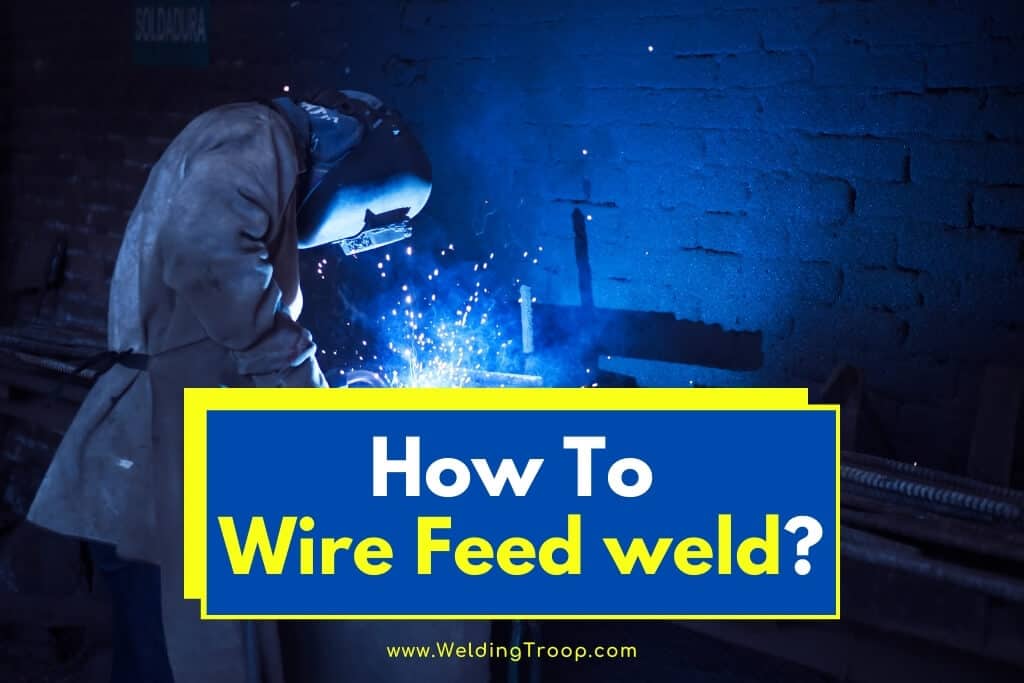
Ready to spark some creativity? Getting started is easier than you think! First and foremost, safety is paramount. You absolutely need a good auto-darkening welding helmet, thick welding gloves, a long-sleeved jacket (preferably leather or flame-resistant), and good ventilation. Never weld without these! For your first machine, a flux-core only welder is a great, affordable entry point. Next, get some scrap metal – flat bar or angle iron works well – and practice, practice, practice! Focus on laying consistent "beads" (the lines of molten metal). Watch some great YouTube tutorials; there are tons of awesome welders sharing their knowledge. Finally, don’t be afraid to adjust your settings (voltage and wire speed). Most machines come with helpful charts to guide you. Start with their recommendations and tweak until your welds look and sound right (a good weld often sounds like sizzling bacon!).
Learning to weld with a wire feed machine opens up a whole new world of possibilities. It’s incredibly satisfying to take raw metal, or a broken item, and transform it with your own hands. The journey might have a few crooked beads at first, but with a bit of practice, you’ll be fixing and creating like a pro. So go ahead, dip your toe into the exciting world of welding – you might just find your new favorite hobby!