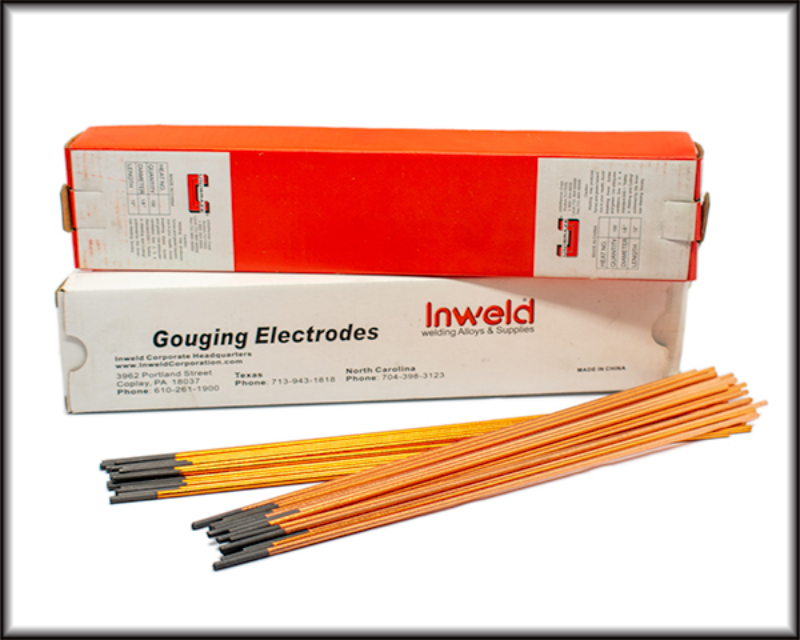
Welding Rods For Arc Welder

Ever gazed at a perfectly joined piece of metal and wondered how it all comes together, strong and seamless? Whether you're a budding DIY enthusiast, a seasoned hobbyist, or just someone who appreciates the magic of creation, welding is a truly fascinating skill. And at the heart of many welding projects, especially with an arc welder, lies a humble yet mighty tool: the welding rod. This isn't just a simple stick of metal; it’s the secret ingredient, the very magic wand that transforms separate pieces into one.
So, what exactly are these intriguing rods and why are they so crucial? Imagine you’re trying to build or repair something metallic – a garden gate, a custom art piece, or even fixing a broken frame. An arc welder uses electricity to create an incredibly hot arc between the rod and the metal workpiece. This intense heat melts both the tip of the welding rod and the edges of the metals you’re joining. As they melt, they fuse together, creating a new, strong connection. The welding rod itself acts as the filler material, literally filling the gap between your metal pieces and becoming part of the new, solid joint.
But there’s more to it than just being filler. Each welding rod is essentially a core wire surrounded by a special coating called flux. This flux is where much of the magic happens! When heated by the arc, the flux coating vaporizes and creates a protective gas shield around the molten weld pool. Why is this important? Because without it, oxygen and nitrogen from the air would contaminate the hot metal, making the weld weak, brittle, and prone to cracking. The flux essentially keeps the bad stuff out, ensuring your weld is as strong and durable as possible. Think of it as a personal bodyguard for your molten metal!
Must Read
Beyond protection, the flux also helps stabilize the arc, making it smoother and easier to control for the welder. It can also introduce deoxidizers and other alloying elements into the weld metal, further enhancing its strength, toughness, and even its appearance. Different types of welding rods are designed for specific metals – carbon steel, stainless steel, cast iron – and various applications. Some rods produce a deeper penetration, ideal for structural work, while others offer a smoother finish for aesthetic projects. This versatility means you can tackle a huge range of repairs and creative endeavors, from fixing a rusty trailer hitch to crafting an elaborate metal sculpture.
In essence, welding rods are the consumable heroes of arc welding. They provide the necessary filler material, protect the weld from atmospheric contamination, and contribute to the final properties and strength of the joint. Understanding their role makes welding not just a technical process, but an engaging act of controlled creation. So, next time you see a beautifully welded piece, remember the humble welding rod – the tiny stick with the colossal job of making metal magic happen!