Welding On A Diesel Fuel Tank

There's a certain thrill that comes with tackling a big, gnarly project. You know, the kind that makes some folks scratch their heads and others quietly nod in admiration. And when it comes to the world of grease, grit, and engines, few jobs quite capture that mix of respect and daring like welding on a diesel fuel tank. Now, before you dust off your old welder and eye your truck, let's set the record straight: this isn't your average weekend warrior DIY. This is a job that demands respect, skill, and an almost obsessive commitment to safety. But understanding the 'why' and 'how' (at least from a safe distance) is endlessly fascinating.
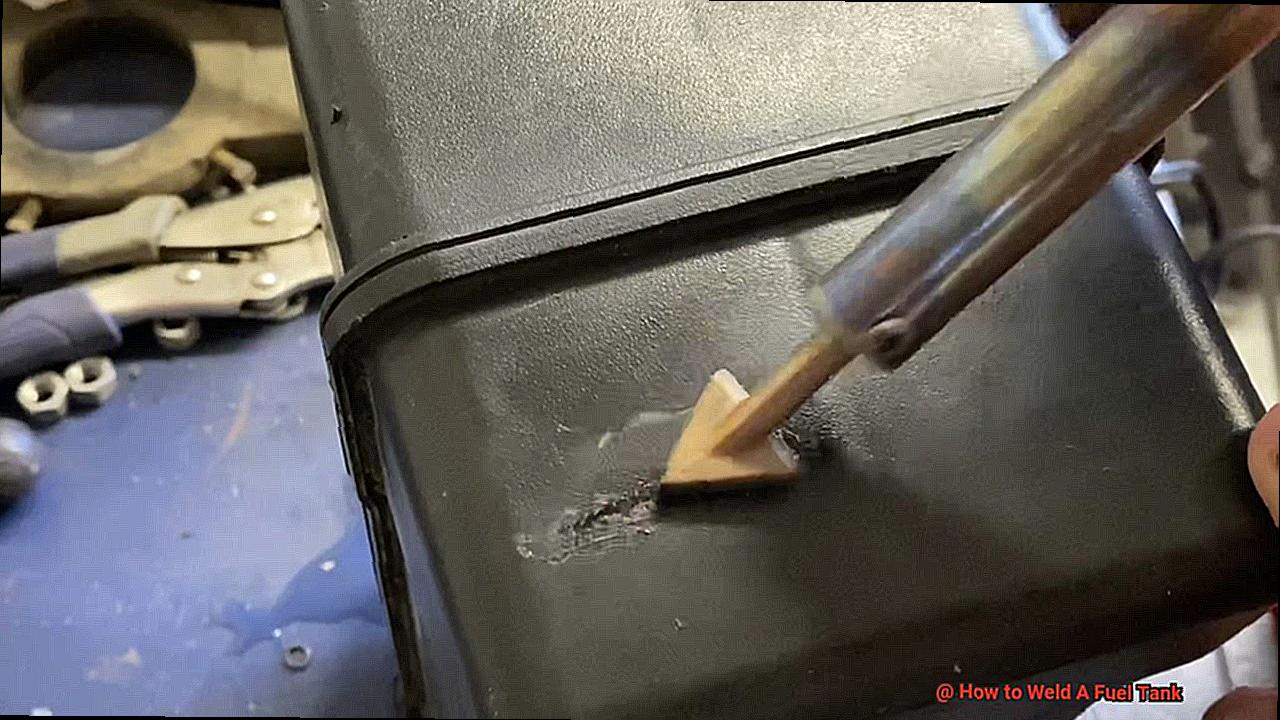
Imagine you've got a classic rig, maybe a vintage agricultural machine, or even a cherished overlander, and its fuel tank has seen better days. A small crack, a pinhole leak—it's not just an annoyance, it's an environmental concern and a potential fire hazard. Replacing the tank can be costly, complex, and sometimes, for an older model, near impossible to find. That's where the idea of a repair, specifically a weld, comes into play. It's the ultimate act of resuscitation for a piece of crucial equipment.
The Golden Rule: Safety, Safety, Safety (and Then Some More Safety)
Let's be unequivocally clear: you absolutely, positively do not weld on a fuel tank that has, or has had, fuel in it, without extreme, professional-level preparation. Diesel, while less volatile than gasoline, still produces flammable vapors. When mixed with oxygen and a spark from welding, you're looking at a recipe for disaster. This isn't a "MacGyver it" moment; this is a "call the expert" or "become an expert" situation.
Must Read
The first, non-negotiable step is to completely empty the tank. And we mean empty. Not just drained, but flushed. Then comes the critical part: cleaning and purging. This is often done with water, thoroughly rinsing the inside to remove any residual fuel or sludge. Then, the tank needs to be filled with an inert gas, like argon or carbon dioxide. This displaces the oxygen, eliminating the crucial third leg of the fire triangle. Think of it as creating a mini, breathable atmosphere for the welder, but one where fire simply can't exist. It’s a bit like giving a deep-sea diver the right air mix – utterly essential.
The Craft of the Weld
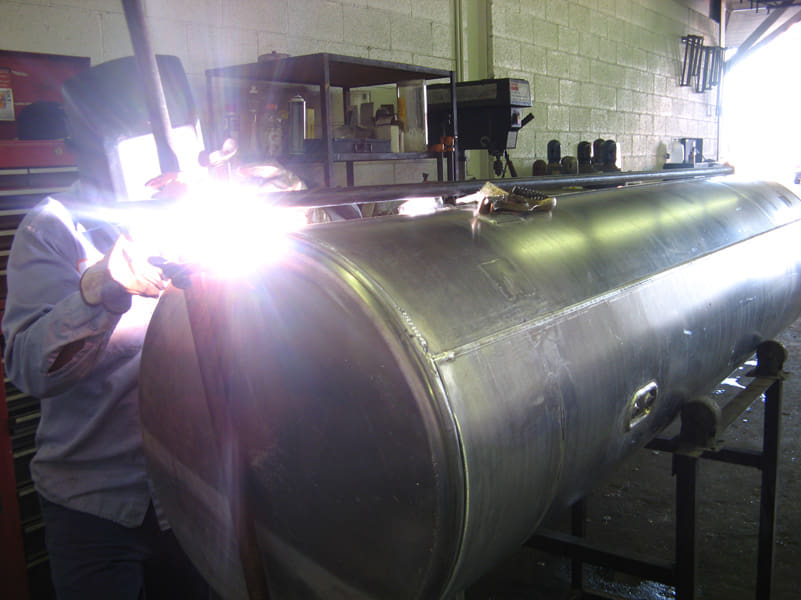
Once the tank is prepped to perfection (and likely removed from the vehicle for easier, safer access), the welding can begin. For fuel tanks, often made of steel or aluminum, TIG (Tungsten Inert Gas) welding is frequently the method of choice. It offers incredibly precise control, producing strong, clean, and leak-proof welds. It's like the fine art of welding, requiring steady hands, keen eyes, and a good understanding of metallurgy.
A fun little fact: the invention of arc welding dates back to the late 19th century, evolving from rudimentary carbon electrodes to the sophisticated processes we have today. Every time a welder lays down a perfect bead, they're channeling over a century of innovation and craftsmanship. There's a certain poetry in fusing metal, creating a bond stronger than the original material, especially when that bond is meant to contain something as vital as fuel.
More Than Just a Repair: It's Resilience
Beyond the technical wizardry, there's a cultural appreciation for this kind of work. It speaks to a certain ethos of self-reliance, of making things last, and of mastering a challenging skill. It’s the spirit of the custom builder, the hot rod enthusiast, or the farmer who keeps their machinery running decade after decade. It's about problem-solving with ingenuity and a healthy dose of respect for the materials and the dangers involved.
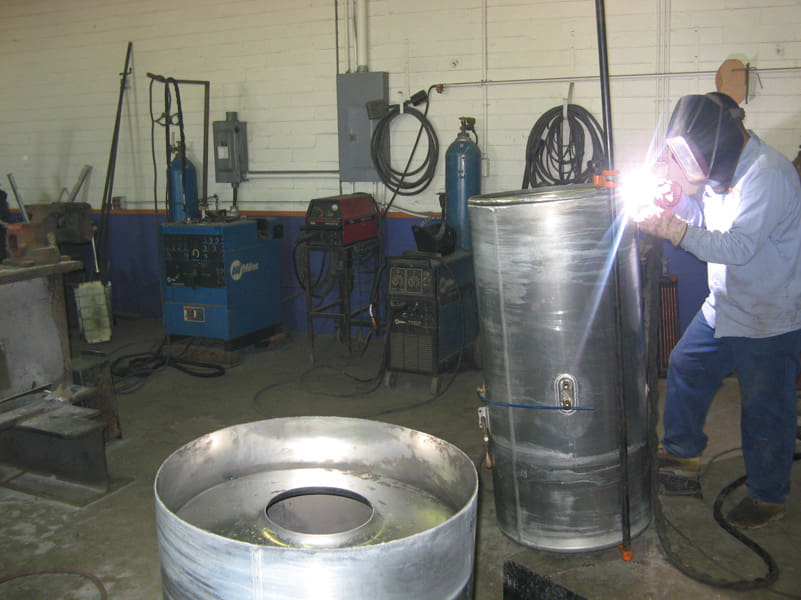
Think about the satisfaction of looking at a perfectly repaired tank, knowing the intricate steps and precautions that went into it. It’s not just fixed; it’s been given a new lease on life, a testament to careful work and a deep understanding of the craft. It's a reminder that some things are worth saving, worth repairing, and worth doing absolutely correctly.
So, while you might not be striking an arc on a fuel tank anytime soon, the essence of such a project resonates. It's about approaching challenges with a clear head, meticulous preparation, and a profound respect for the task at hand. Whether it's tackling a tough work project, navigating a complex personal decision, or even just building flat-pack furniture, the principles are the same: assess the risks, gather your tools, plan your steps, and execute with care. That focus and diligence? It's the secret ingredient to not just welding safely, but to thriving in life's bigger, more intricate repairs.