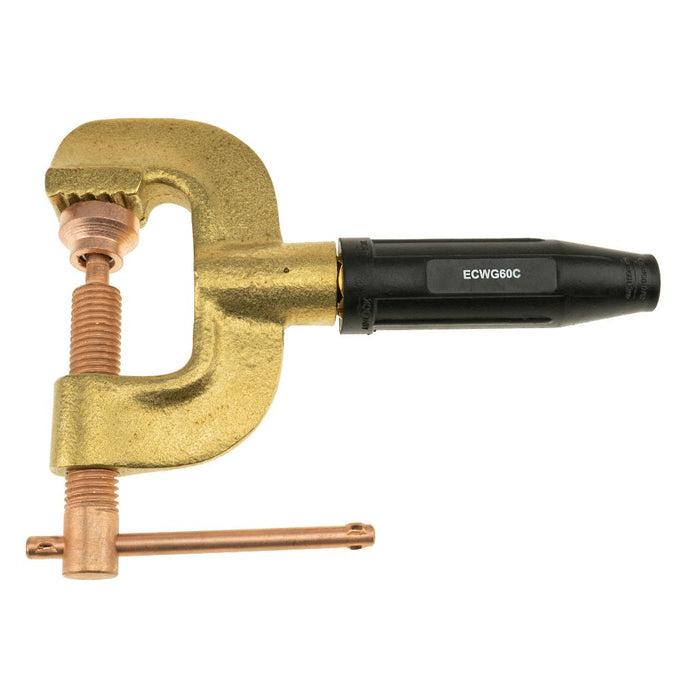
Welding Ground Clamp For Pipe
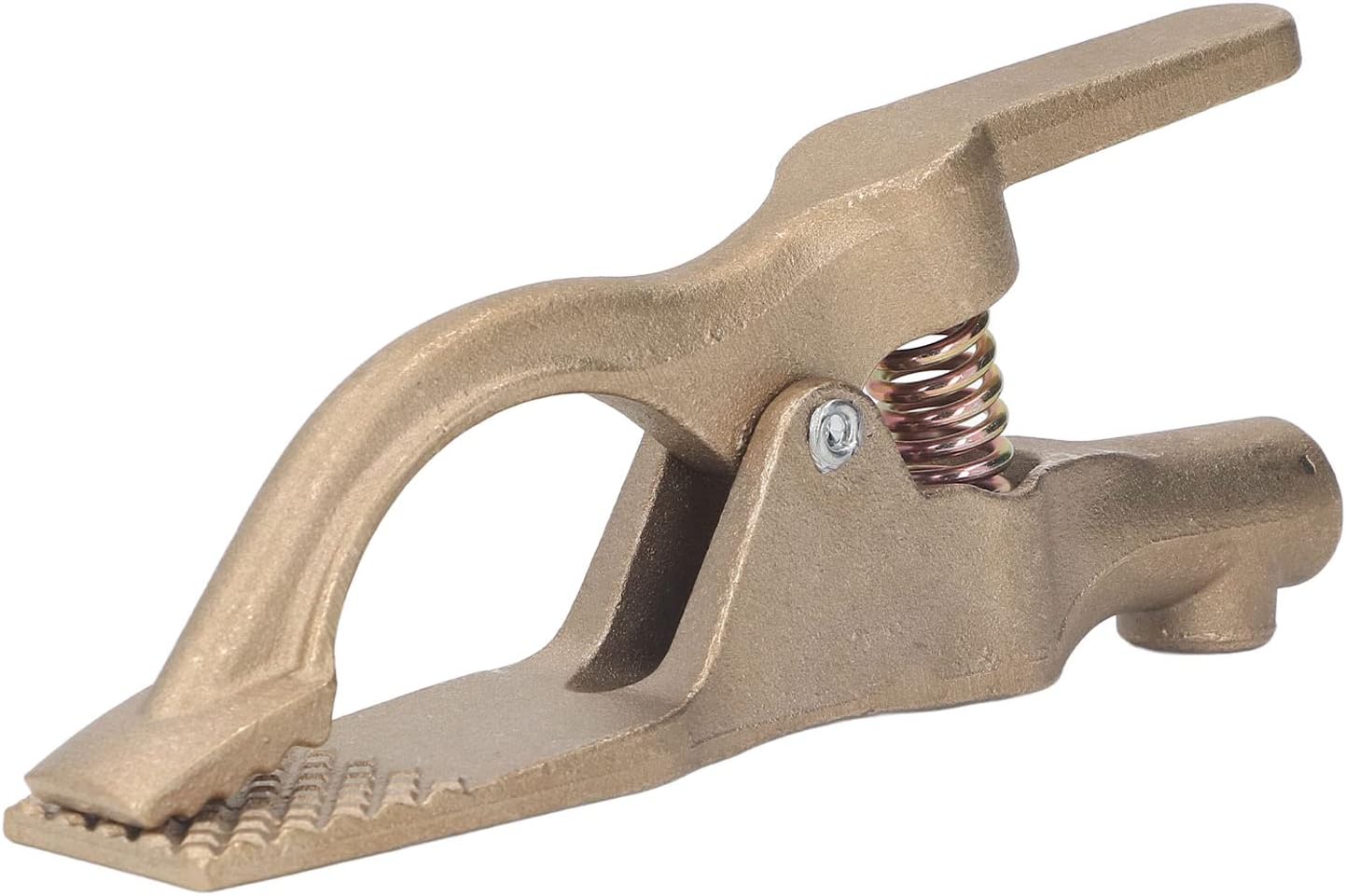
Alright, let's chat about something that might seem utterly mundane but can be the difference between a smooth-sailing welding day and a tantrum-inducing, spark-flinging nightmare: the welding ground clamp. Specifically, when you're trying to weld a pipe.
You know that feeling when you're trying to open a stubborn jar, and your hands just keep slipping? Or trying to hold onto a greased pig at the county fair? Yeah, that’s often what it feels like trying to get a decent ground on a round, slippery pipe with a standard flat-jawed clamp. It’s like trying to get a cat to wear a hat – a noble effort, but often futile and definitely scratchy.
Why the Ground Game Matters So Much
Think of electricity like a very important, very busy delivery driver. It needs a clear, unobstructed route to get from your welding rod, through your workpiece, and back to your welding machine. That clear route is your electrical circuit. If there's a roadblock or a detoured muddy path, that delivery driver (your current) gets grumpy. And when electricity gets grumpy, it manifests as a spattery, inconsistent arc, weak penetration, and welds that look less like art and more like something a bird left on your windshield.
Must Read
A good ground connection is like having an Autobahn for your electrons. Smooth, fast, efficient. A bad ground? That's like sending them through a swamp during rush hour with a flat tire. Nobody's happy, especially not your weld.
The Pipe Problem: When Round Meets Flat
Most general-purpose ground clamps are designed with flat jaws. Great for a nice, flat piece of steel, right? But introduce a pipe, and suddenly you’re in a different ballgame. That flat jaw struggles to get a solid bite on a curved surface. It wants to wobble, it wants to slip, and worst of all, it wants to give you that dreaded "angry beehive" sound of a poor connection, punctuated by tiny, frustrating sparks where the clamp meets the pipe. It's a dance of futility, a tango of trouble, and it's enough to make you consider a new hobby, like competitive napping.
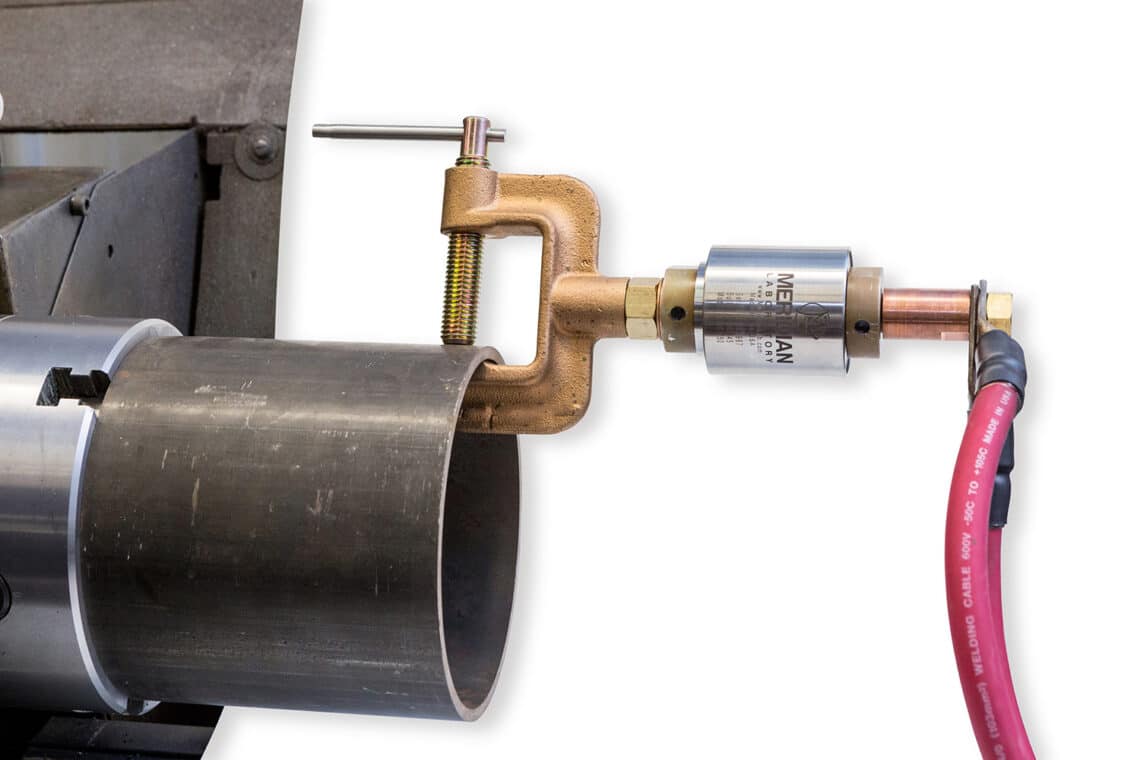
I swear, before I wised up, I spent more time adjusting a slipping ground clamp on a pipe than actually laying down a bead. It was a constant battle, a negotiation with physics that I almost always lost.
Enter the Hero: The Specialized Pipe Ground Clamp
This is where the unsung hero, the specialized pipe ground clamp, swoops in with a cape and a triumphant orchestral swell. These aren't your grandpa's clamps. Oh no. These beauties are designed with curved jaws, often featuring V-grooves or even a multi-point contact system, specifically engineered to hug that pipe like a long-lost family member.
Picture jaws that cradle the pipe, digging in just enough to establish firm, consistent contact, regardless of the pipe's rotation. Some look like little vice grips for round stock, others like multi-jawed alien hands. But their mission is singular: grip that pipe like it owes you money.

The moment you clamp one of these bad boys onto a pipe, you feel the difference. That satisfying, confident grip. It's like finally finding the perfect fitting shoe after hobbling around in ill-fitting ones.
The "Ah-Ha!" Moment and How It Feels
The first time you strike an arc with a properly grounded pipe clamp, it’s an epiphany. The arc is smooth, stable, and predictable. No more sputtering, no more chasing sparks, no more wondering if your current is actually going to make it home for dinner. It's just a clean, steady sizzle, laying down a beautiful bead.
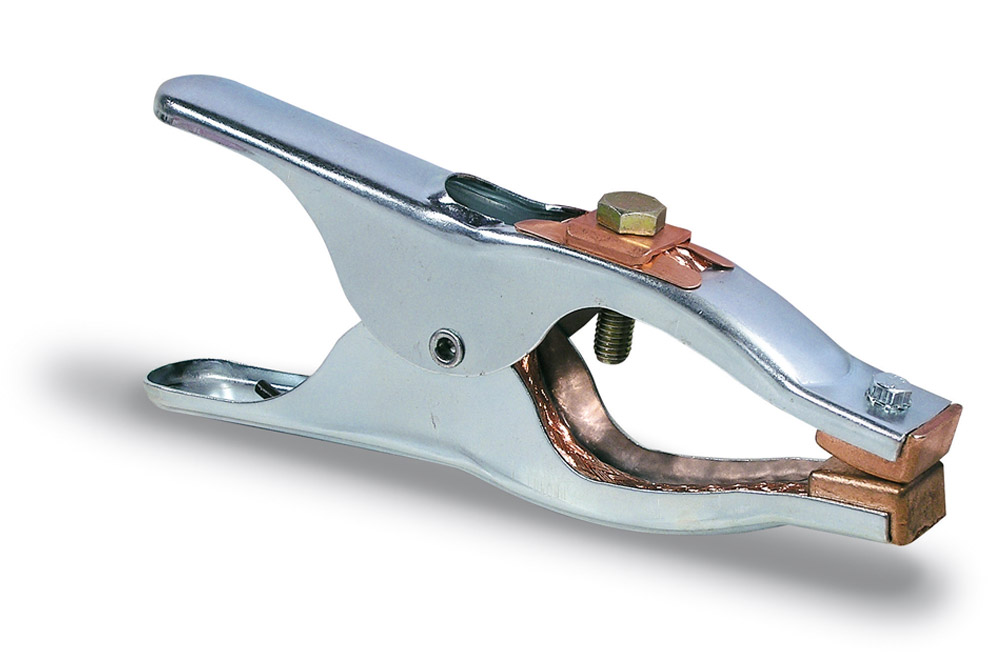
It’s the difference between trying to paddle a leaky canoe upstream in a hurricane, and cruising along on a speedboat in calm waters. The frustration evaporates, replaced by a quiet sense of "Why didn't I get one of these sooner?" It’s often the little things, isn’t it? The tiny adjustments that make a monumental difference in your day-to-day grind.
A Few Friendly Nudges for Maximum Grip
Even with the best pipe clamp, a few quick tips can make your life even easier:
- Clean Your Contact Area: Rust, paint, mill scale, grim – they're all insulation. Give a small spot on your pipe a quick grind or brush to reveal bare, shiny metal. It's like clearing the runway for your electrons.
- Place it Smartly: Generally, you want your ground clamp fairly close to where you're welding, but not so close that it gets in the way or collects excessive spatter. Think of it as a good wingman – always there, but not hogging the spotlight.
- Check the Clamp Itself: Make sure the clamp's jaws are clean and free of spatter. Those little pits and bumps can hinder contact over time. A quick wire brush makes all the difference.
So, the next time you're staring down a pipe with your welding gear, don't just grab any old ground clamp. Invest in, or at least consider, a welding ground clamp designed for pipe. It's a small investment, but it pays dividends in reduced frustration, better welds, and a significantly happier welding experience. Trust me, your sanity (and your finished product) will thank you. Now go forth and conquer those pipes, with a firm, unwavering grip!