
Welding Gas For Stainless Steel
Have you ever seen something made of shiny, strong stainless steel? It’s everywhere, from your kitchen sink to fancy sculptures.
Stainless steel is amazing stuff. It resists rust and looks great for ages. It's truly a marvel!
But here’s a little secret: welding this super material is a bit special. It needs a hidden helper, a quiet hero, to make it perfect.
Must Read
That hero is called welding gas. It’s not just any gas; it’s a specific kind that performs real magic when joining stainless steel.
Imagine trying to bake a cake without an oven. Or trying to paint a masterpiece without a brush. Welding stainless steel without the right gas is a bit like that.
The Invisible Shield: Why Gas is a Superstar
When you weld, things get super hot. The metal melts into a liquid puddle. This glowing puddle is very sensitive.
It absolutely hates meeting regular air. Air has oxygen and nitrogen, which can mess up the pristine stainless steel.
If these gases touch the molten metal, it can become brittle. It might even lose its beautiful shine. Nobody wants that!
This is where our welding gas swoops in. It creates an invisible shield around the weld puddle.
Think of it as a personal bodyguard for the hot metal. This bodyguard keeps all the bad air away.
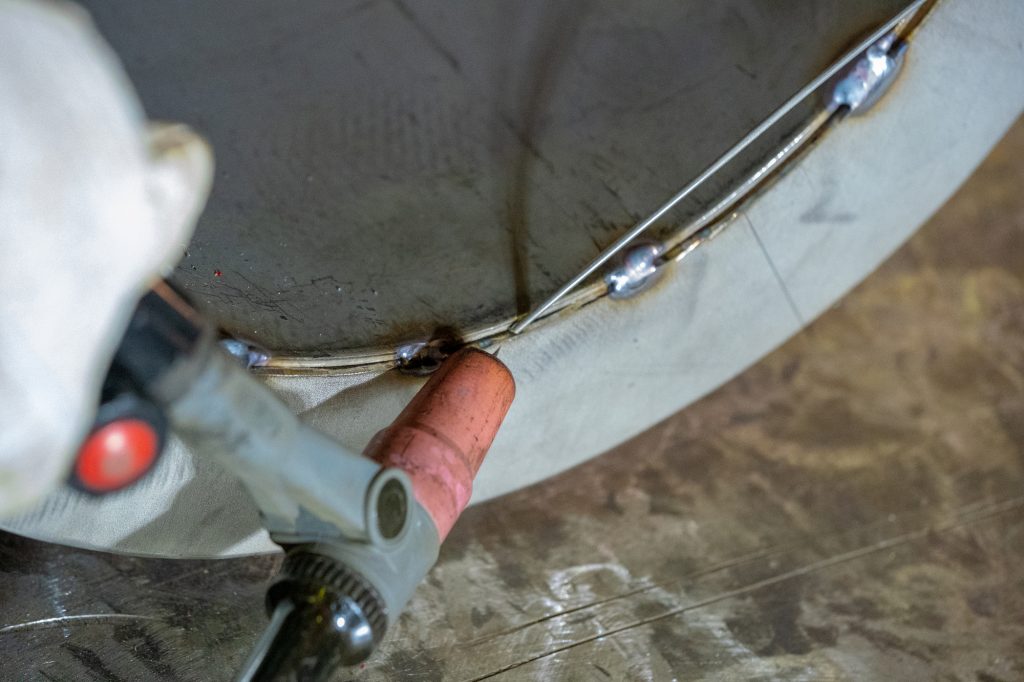
The gas forms a protective bubble. Inside this bubble, the metal can cool down safely and smoothly.
This protection is absolutely crucial for a strong and pretty weld. It’s what makes stainless steel welds look so fantastic.
Meet the Gas Crew: Different Personalities
There isn't just one type of welding gas. Like a team of superheroes, each gas has its own special powers.
The most common hero for stainless steel is Argon. It’s like the calm, steady leader of the pack.
Argon is a very noble gas, meaning it doesn’t react with other things easily. This makes it perfect for shielding.
It helps create really smooth, clean welds. The arc – that bright, hot spark – is stable and easy to control with Argon.
Then there’s Helium. Helium is the energetic one, a bit of a show-off! It creates a hotter arc.
This extra heat is fantastic for welding thicker pieces of stainless steel. It helps the weld go deeper and penetrate better.
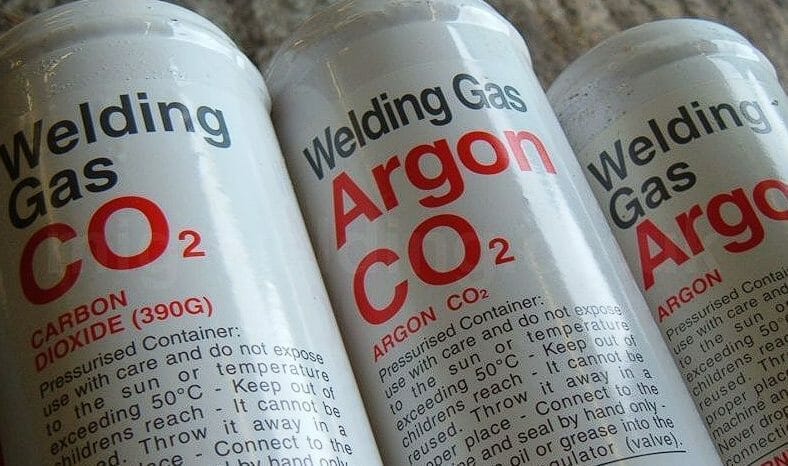
Sometimes, these gases even team up. You might find mixes of Argon and Helium, combining their best qualities.
There are also mixes that include a tiny bit of Carbon Dioxide (CO2) or Oxygen. These are like adding a pinch of spice to a recipe.
A little CO2 can help the weld flow even better. It can create a slightly more active weld puddle, which some welders prefer.
But remember, only a tiny bit! Too much CO2 would upset the delicate balance needed for stainless steel. It’s all about precision.
The Grand Performance: Watching the Magic Unfold
Imagine a welder starting their machine. There’s a quiet hum, then a bright flash of light.
That flash is the electric arc, the heart of the welding process. It’s incredibly hot, melting the steel almost instantly.
And surrounding this intense mini-sun? Our invisible shield of welding gas. You can’t see it, but it’s hard at work.
The gas silently pushes the air away. It allows the molten metal to shimmer and dance without contamination.
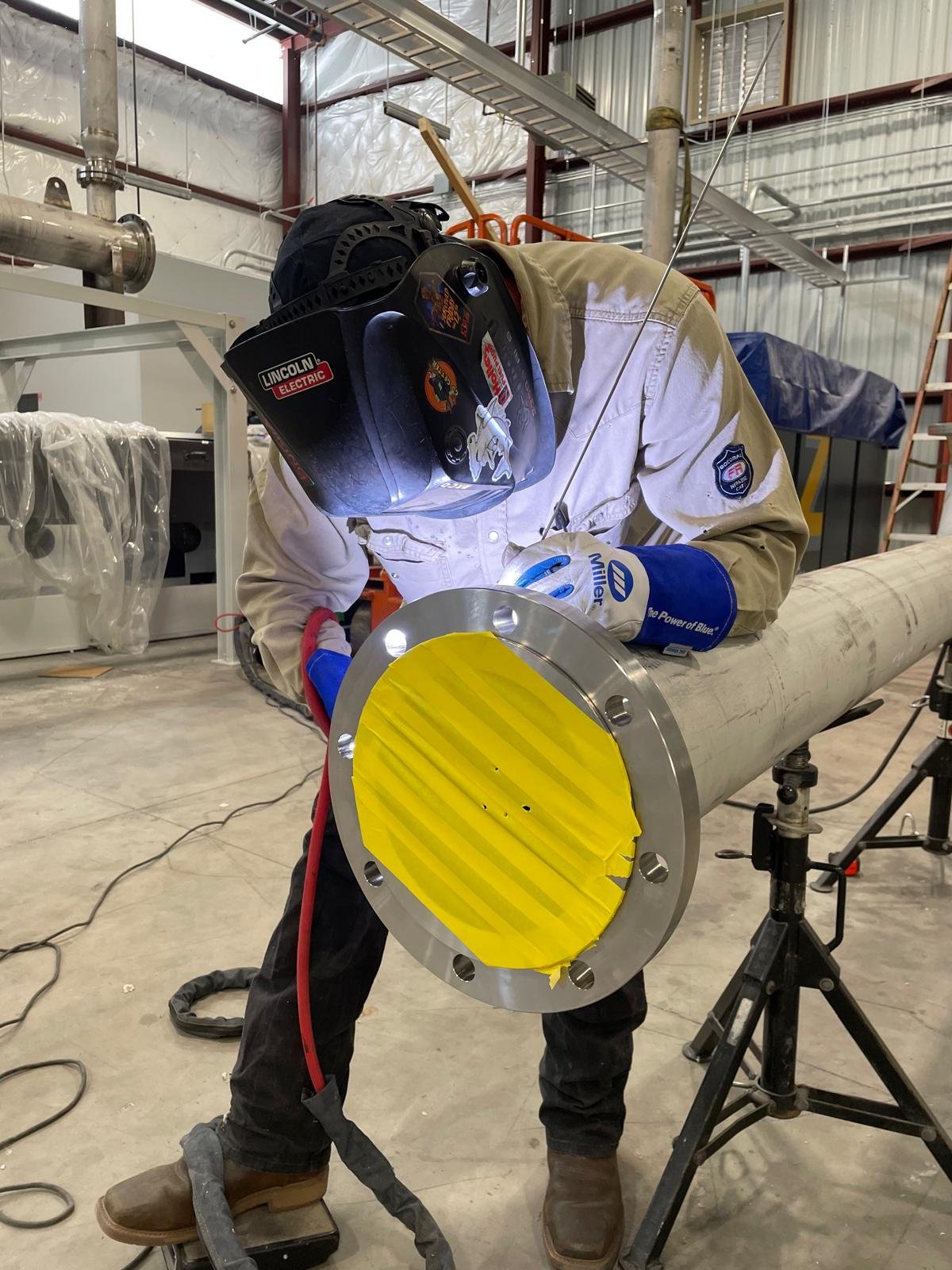
The welder guides the arc, creating a beautiful, glowing line. It's like drawing with liquid light.
As the arc moves, the gas follows, always protecting. It’s a graceful, powerful ballet of science and skill.
You might see tiny sparks flying, but the main show is the perfect, controlled melt. The gas ensures this control.
Without the gas, the puddle would sizzle and spit horribly. The resulting weld would be ugly and weak.
But with the gas, it's a smooth, captivating transformation. From solid metal to liquid, and back to solid, perfectly joined.
The Glorious Result: A Weld to Admire
Once the weld cools, that’s when you really appreciate the gas’s work. The weld bead looks incredible.
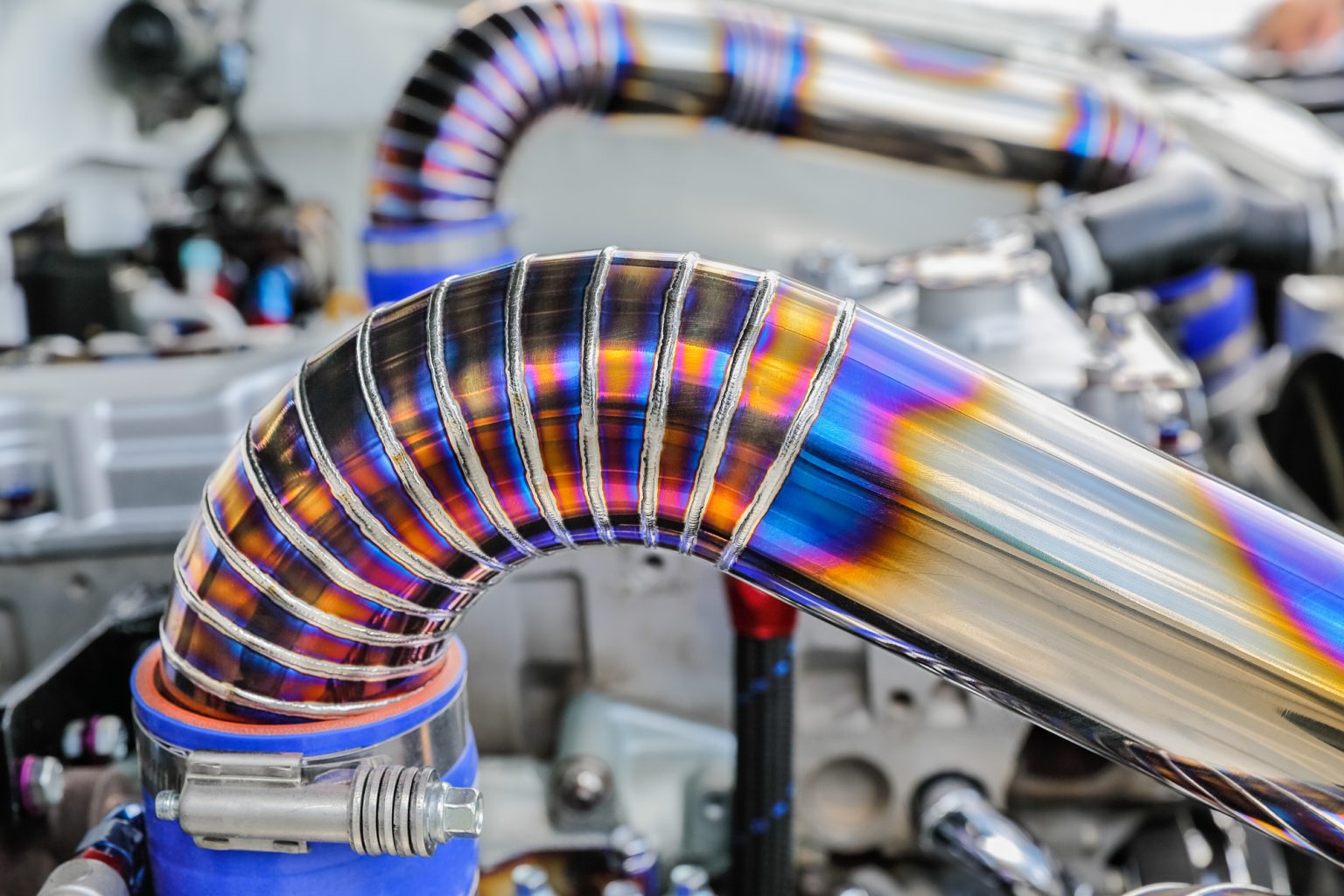
It’s often shiny and smooth, blending seamlessly with the stainless steel. Sometimes, it even has a beautiful rainbow-like sheen.
This shimmer is a sign of a perfectly executed weld. It shows that the metal was protected from the air during cooling.
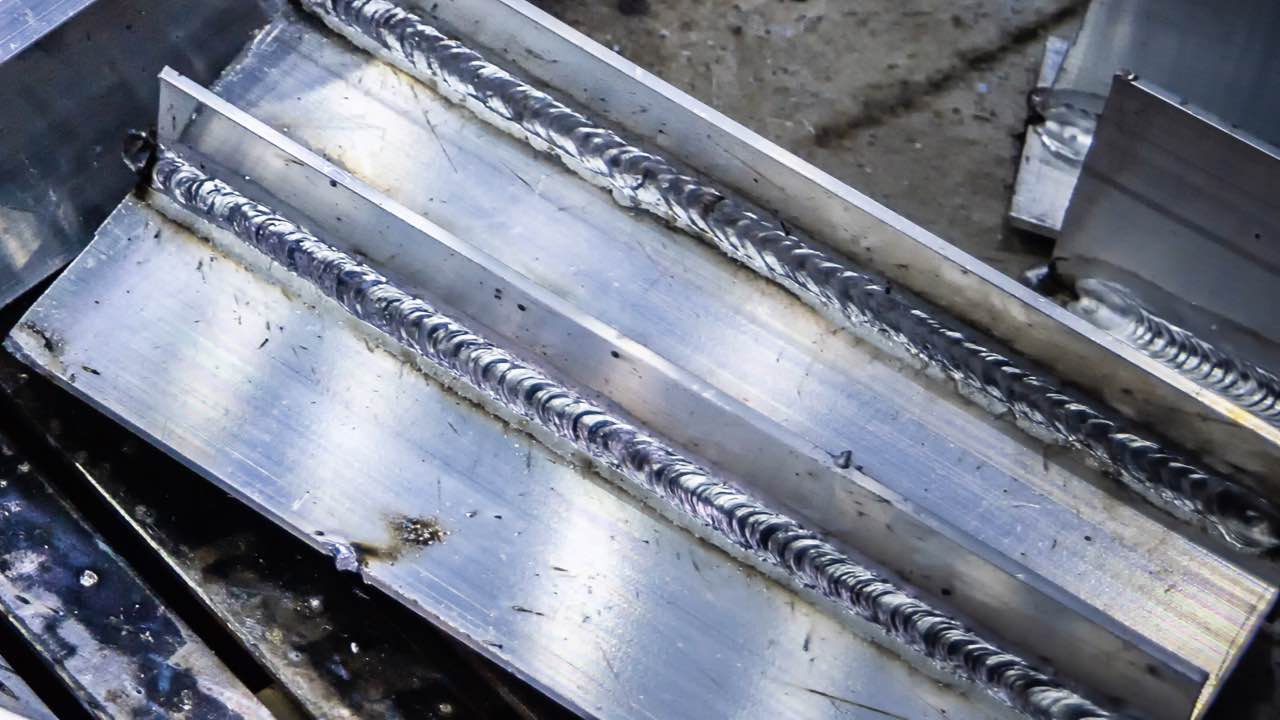
The weld is not just pretty; it’s incredibly strong. It holds the pieces of stainless steel together like they were always one.
From aerospace components to food processing equipment, these welds are everywhere. They are critical for safety and function.
So, next time you see something shiny and stainless steel, take a moment. Think about the hidden hero that made it all possible.
Think about the carefully chosen welding gas. It quietly ensures strength, beauty, and durability.
It’s a fantastic example of how subtle science creates amazing things. It’s a testament to human ingenuity.
"The right gas isn't just an ingredient; it's the invisible hand that perfects the art of welding stainless steel."
It truly makes the welding process an art form. The gas helps craft something both robust and elegant.
Perhaps this little peek behind the curtain makes you curious. Maybe you’ll look at stainless steel differently now.
It’s more than just metal; it’s a story of protection, precision, and a bit of gas-powered magic. It's truly fascinating!