
Weld Aluminum With Flux Core

Alright, grab a mug of whatever, because we need to chat about something a little wild. We all know welding aluminum usually means TIG, right? Or maybe MIG if you've got a spool gun and a whole tank of argon chilling nearby. Fancy stuff, precise, looks good. But what if I told you there’s a rebel, a rogue, a downright unconventional way to stick aluminum together?
Yep, we're talking about welding aluminum with… flux core. I know, I know. Your brow just furrowed, didn't it? Maybe you snorted a little coffee out your nose. "Flux core for aluminum?! Is he serious?!" Oh, I am. And while it's not going to win any beauty pageants, it's a fascinating little trick to have up your sleeve.
Why on Earth Would You Do This?
That's the million-dollar question, isn't it? Mostly, it boils down to convenience and portability. Think about it: traditional aluminum welding needs gas. Gas bottles are heavy, they run out, and they're not always ideal for field repairs or working outdoors when the wind is playing havoc with your shielding gas. Flux core? Just plug in your machine, grab your wire, and go. No gas bottle, no regulator, no fuss. Pretty sweet, huh?
Must Read
It's for those moments when you need a quick, dirty, functional repair, and aesthetics are about as important as the color of your socks. We're talking about that busted aluminum ladder, a gate hinge, or something on the boat that just needs to hold until you can get it properly repaired later. It’s definitely not for structural components on, say, an airplane. Let's be clear about that!
The Nitty-Gritty (Not So Pretty) Details
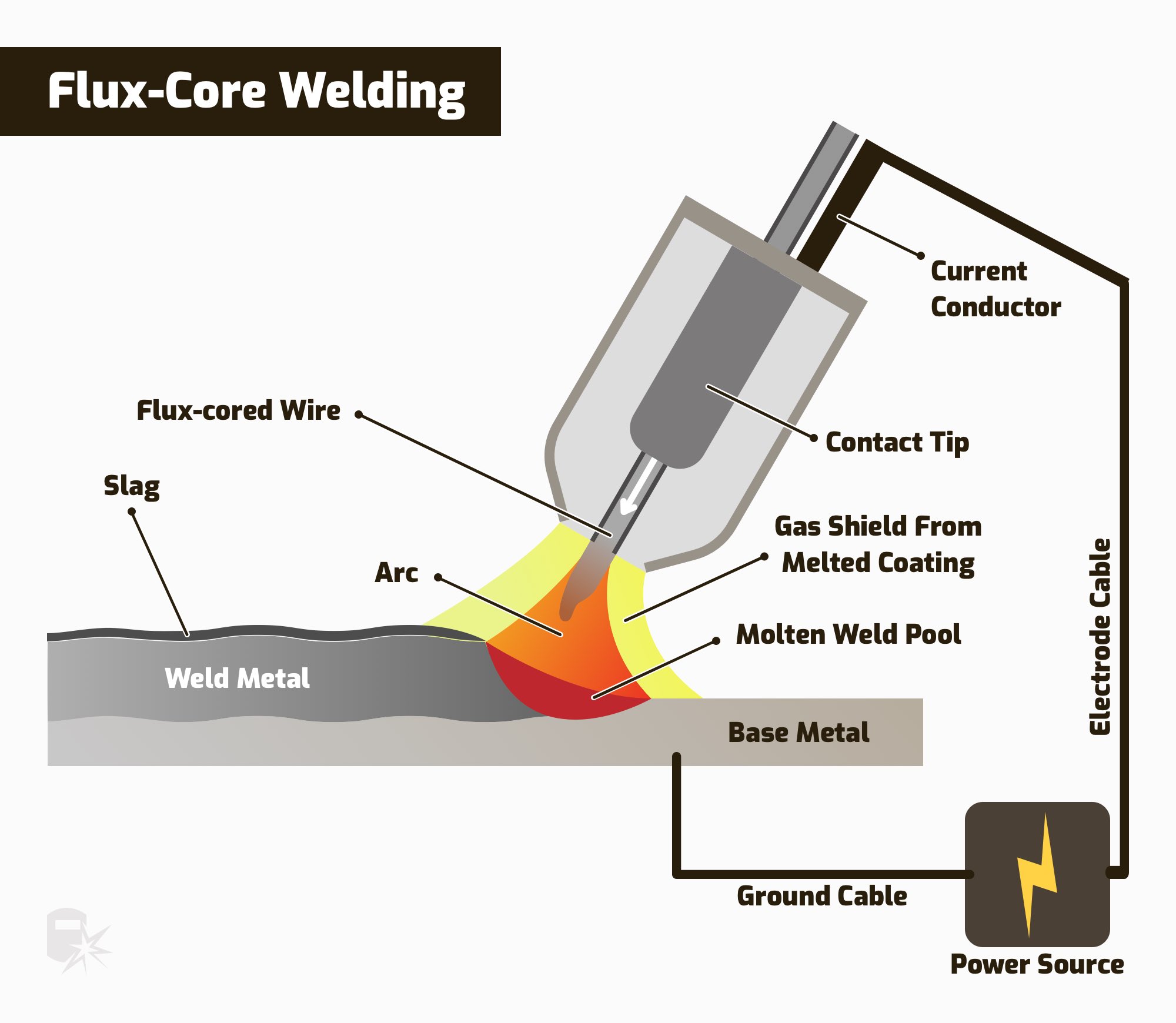
First things first, you can't just grab any old steel flux core wire and hope for the best. Nope, that's a recipe for disaster. You need specialized aluminum flux core wire. It's usually a small diameter, and it's got, you guessed it, flux inside. This flux is your magic shield, doing the job that argon usually handles. And let me tell you, it's a different beast.

When you strike an arc with this stuff, be prepared for some serious smoke and a pretty aggressive arc. It's not the smooth, buttery sizzle of TIG or even regular MIG. It's more like a disgruntled hornet's nest caught in a lightning storm. Okay, maybe a slight exaggeration, but you get the picture. It’s loud, it’s smokey, and it's a bit… chaotic.
Managing Expectations (and the Bird Poop)
Let's be brutally honest: your welds are not going to look like works of art. If MIG aluminum looks like stacked dimes, flux core aluminum often looks more like… well, let's just say a pigeon might have done its business on your workpiece. It’s not pretty. It's lumpy, it's got slag, and it's definitely a "function over fashion" kind of deal.
But hey, who needs pretty when you need strong? Am I right?

Tips from a Friendly Dabbler
If you're brave enough to give this a whirl, here are a few pointers from someone who’s been there, done that, and probably coughed up a bit of flux dust doing it:
1. Cleanliness is CRITICAL: You thought aluminum needed to be clean for MIG or TIG? Multiply that by ten for flux core. Any oils, dirt, or oxides will make your life a living hell. Wire brush, acetone, repeat. Then do it again. Seriously.
2. Machine Settings: This is where you'll do a lot of experimenting. Generally, you'll want to run hot and fast. Aluminum dissipates heat quickly, and the flux core needs to burn off to do its job. Start with higher voltage and wire speed settings than you might think. Be ready to adjust on the fly. Don't be shy about cranking it up!

3. Technique: Push, Don't Pull: Just like with steel flux core, you'll typically want to push your puddle. Keep a steady hand. The travel speed needs to be consistent to help the flux do its thing and avoid too much porosity. Short, consistent beads are often easier to control than one long, sprawling mess.
4. Ventilation is a Must: Remember all that smoke I mentioned? It's not just regular smoke. It's flux smoke. It smells… distinct. And probably not great for your lungs. So, for the love of all that is holy, work in a well-ventilated area or use a decent respirator. Your future self will thank you.
5. Mind the Slag: There will be slag. Lots of it. It can be a pain to remove sometimes, especially if it gets trapped. Just be patient and chip it away. It's part of the process.
When to Grab the Flux Core
So, when is this mad science actually useful? When you're out in the boonies with no gas, needing to fix that aluminum boat trailer. When you're doing a quick, non-critical repair on a piece of shop furniture. When you just want to experiment and see if you can do it. It's a fantastic tool for field repairs and temporary fixes where portability and speed trump perfection.
It's an interesting challenge, a conversation starter, and a way to prove that sometimes, just sometimes, you can make do with what you've got. Will it replace your TIG setup? Absolutely not. Will it save your bacon one day when you're in a pinch? Quite possibly.
So, next time someone tells you that you can't weld aluminum without gas, give them a wink, maybe a little knowing smirk, and tell them you know a guy who tried. You might just surprise yourself, and your friends, with what you can accomplish!