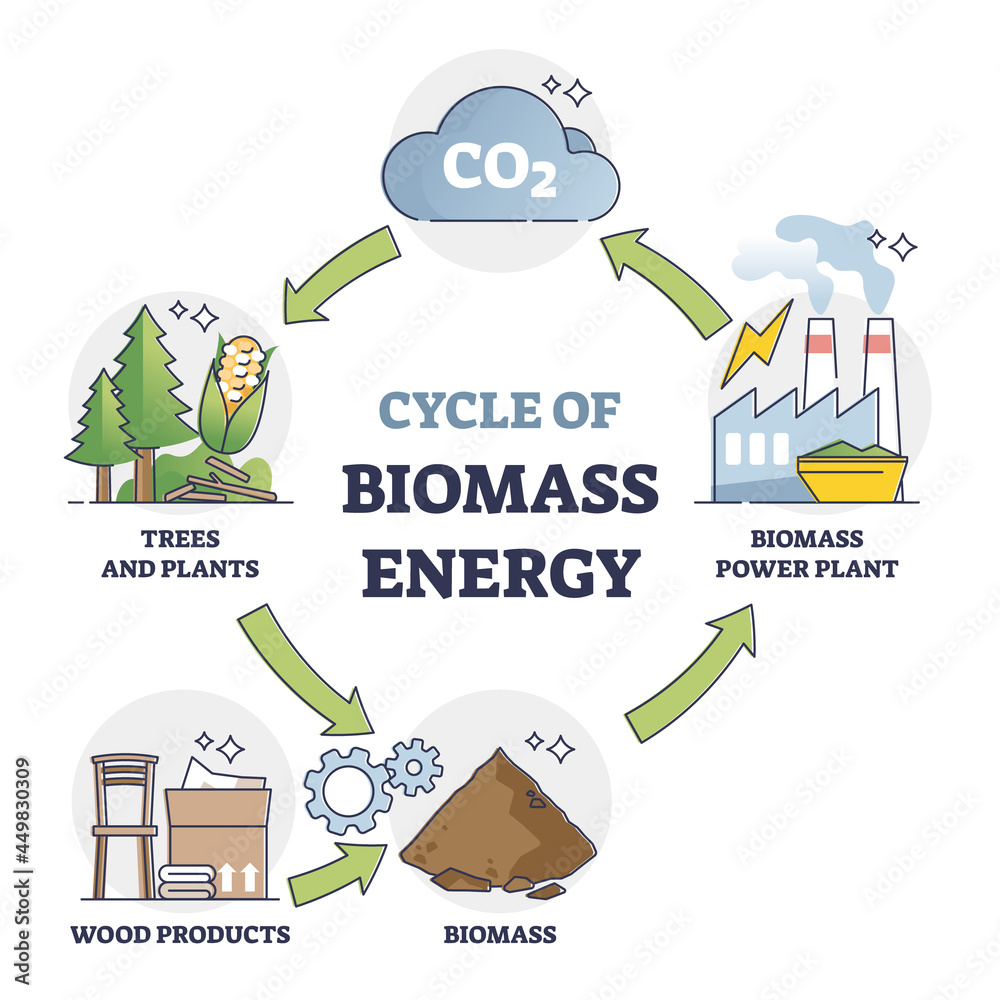
Ways We Turn Biomass Into Energy We Can Use:
Hey there, energy enthusiast! Ever think about all the stuff lying around – like, really lying around – and wonder if we could, you know, do something useful with it? Well, buckle up, buttercup, because we're diving into the wonderful world of biomass energy! Forget dusty textbooks and complicated equations, we're keeping it breezy and fun.
So, what is biomass? Simply put, it's organic matter from plants and animals. Think wood chips, agricultural waste (corn stalks, anyone?), and even… wait for it… poop! Yes, animal manure can actually power things. I know, mind-blowing, right?
Burning It Up (Responsibly, of Course!)
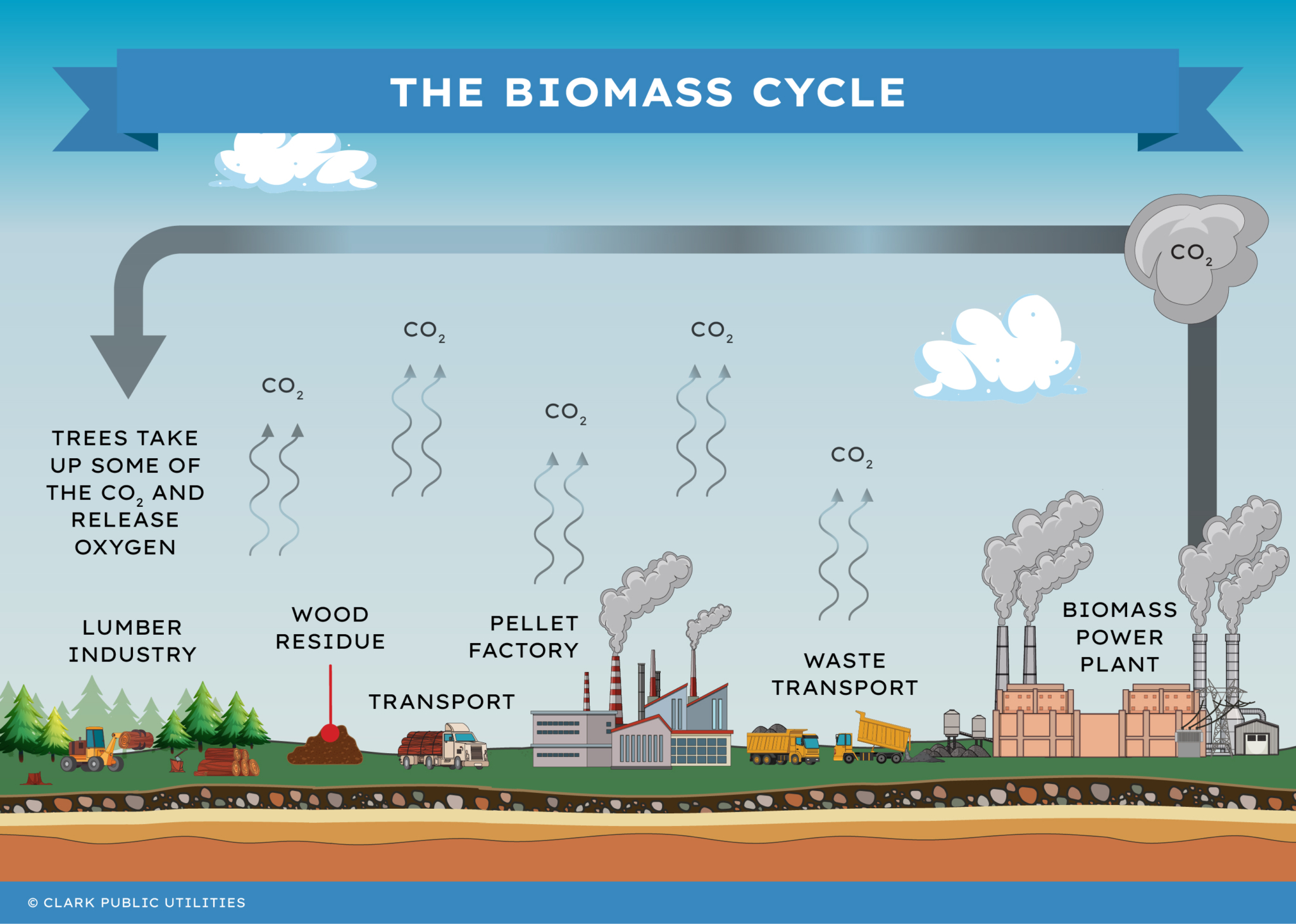
One of the oldest and most straightforward ways to get energy from biomass is good ol' combustion – burning it! We're talking about burning wood in fireplaces (the cozy kind!) and, on a larger scale, using wood chips or other biomass materials to heat water. This heated water then creates steam, which spins turbines and bam! Electricity! Just picture tiny water molecules cheering as they power your phone.
Must Read
Now, before you picture chimneys belching black smoke, modern biomass power plants are super careful. They use advanced technology to minimize emissions and ensure that burning biomass is done in a sustainable and responsible way. We're talking about keeping the air clean for everyone, including those adorable squirrels in the park.
Turning Trash into Treasure: Gasification and Pyrolysis
Ready for some fancy science words? Don't worry, we'll keep it simple. Gasification and pyrolysis are two processes that involve heating biomass without enough oxygen for complete combustion. Think of it like a controlled simmer rather than a roaring fire. This creates a gas called syngas, which can then be burned to generate electricity or used as a feedstock for making other fuels and chemicals. It’s like giving trash a fancy makeover!
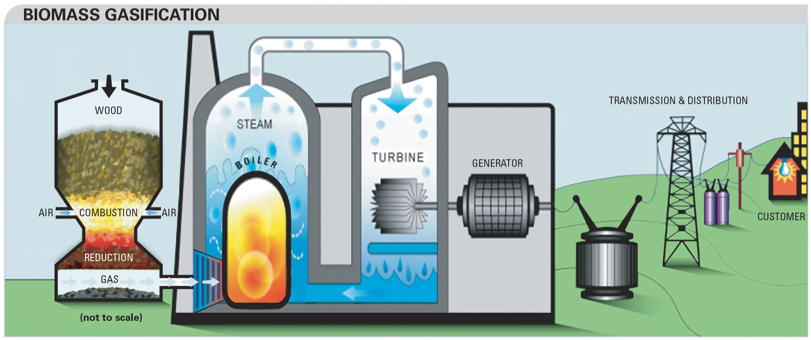
Pyrolysis also produces bio-oil, a liquid fuel that can be used directly or further refined. Imagine powering your car with… well, technically, it could be derived from yesterday’s banana peel. Okay, maybe not directly, but you get the idea!
Anaerobic Digestion: The Poop Power Play
Okay, let's talk about poop again! Anaerobic digestion is where microorganisms (tiny little bacteria buddies!) break down organic matter – including manure, food scraps, and sewage sludge – in the absence of oxygen. This process produces biogas, which is primarily methane. Methane, my friend, is the main component of natural gas, which can be burned to generate electricity or heat. So, basically, we're turning waste into fuel! It’s a win-win – less waste, more energy. Plus, imagine telling your friends you're powered by… well, you know. They'll be impressed, or at least slightly disgusted!

The residue left over after anaerobic digestion, called digestate, is also a valuable fertilizer. So, poop power is not only clean energy, but it can also help grow more food! Talk about a full-circle moment.
Ethanol and Biodiesel: Liquid Gold from Plants
You've probably heard of ethanol, which is often blended with gasoline. It's primarily made from corn in the US, but it can also be made from other biomass sources like sugarcane and switchgrass. And, of course, we have biodiesel, which is made from vegetable oils, animal fats, and recycled grease. Yes, even that leftover fryer oil can be turned into fuel! It’s like a greasy redemption story! These biofuels can be used to power vehicles, reducing our reliance on fossil fuels.

The Bottom Line (and a Smile!)
So, there you have it! Biomass energy offers a diverse range of ways to turn the stuff around us – things we might otherwise throw away – into useful energy. It's a renewable resource, meaning it can be replenished over time. And that's a huge deal, especially as we look for sustainable ways to power our world and reduce our dependence on fossil fuels.
It's not a perfect solution – biomass energy has its own set of challenges, like land use and transportation costs. But, with ongoing research and development, it has the potential to play a significant role in a cleaner, greener energy future. So, next time you see a pile of wood chips or hear about a biogas plant, remember that it's all part of a bigger picture: a future powered by innovation, sustainability, and maybe just a little bit of… poop! Keep shining, and keep exploring the amazing world of energy!