
Ways To Save Energy In A Home

Okay, confession time. Just last month, after a particularly blustery winter, I opened my electricity bill and nearly fell off my chair. I’m talking heart-stopping, "did I accidentally buy a small server farm?" kind of shock. My first thought was, "But I’m so careful! I turn off lights! I wear sweaters!" (Which, let's be real, is always the go-to excuse, isn't it?). But then I started to think. Really think. About all those little things, those seemingly innocent habits, that add up to a power-hungry monster on paper. Sound familiar? Yeah, I thought so. We’re all in this together, buddy.
It got me curious. What are the actual big culprits? And what are the sneaky, often overlooked ways we can trim down that energy consumption without living in a cave or, worse, actually having to buy a server farm? Because, let's be honest, saving energy isn't just about being a good global citizen (though that's a fantastic bonus!). It's also about keeping more of your hard-earned cash in your wallet. And who doesn't love that feeling? So, buckle up, because we're about to embark on a journey to a more energy-efficient, and bank-account-friendly, home.
The Big Offenders: Heating and Cooling
This is usually the heaviest hitter on your energy bill, especially if you live in a place with extreme seasons. Your HVAC system works hard, and it shows. The good news? Small changes here make a huge difference.
Must Read
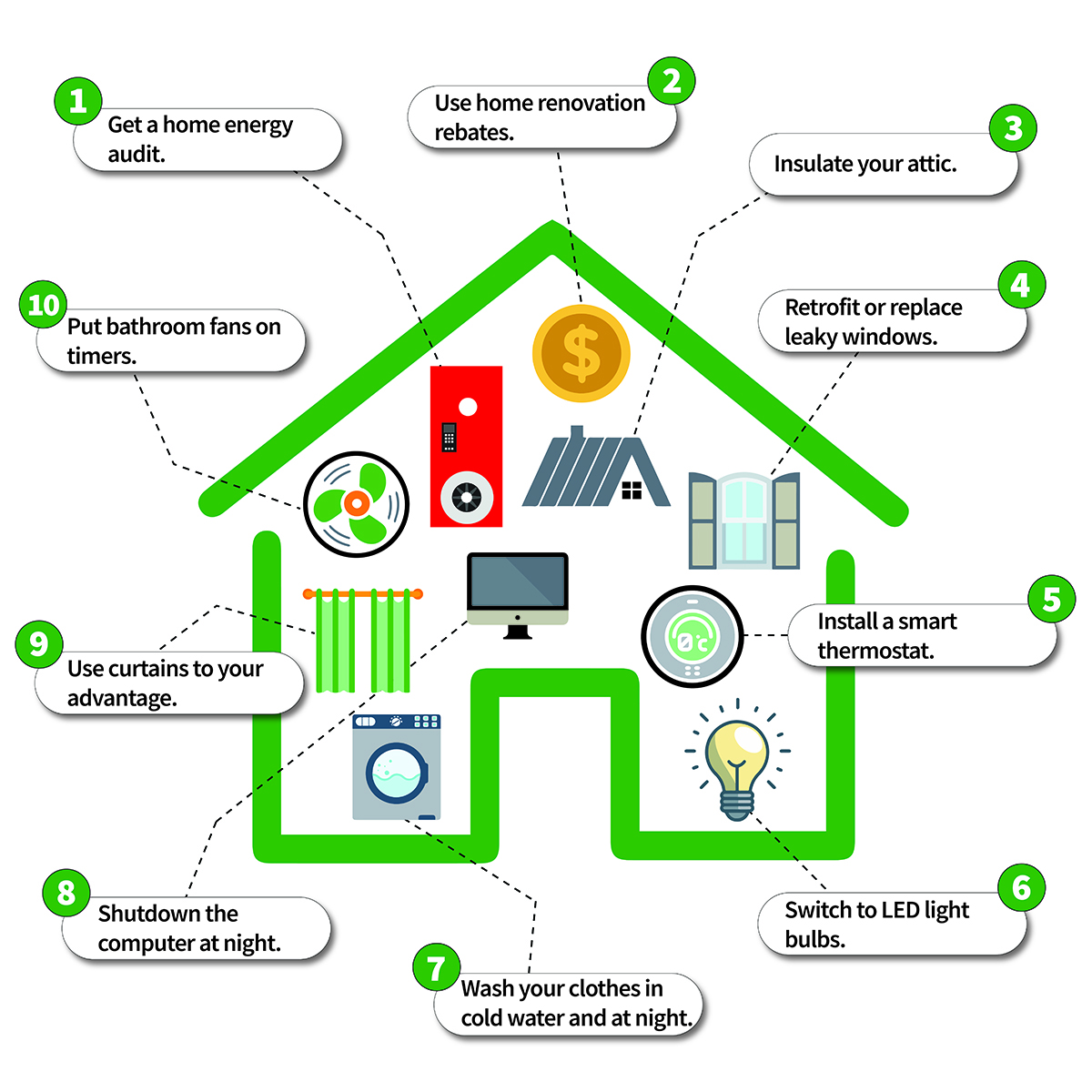
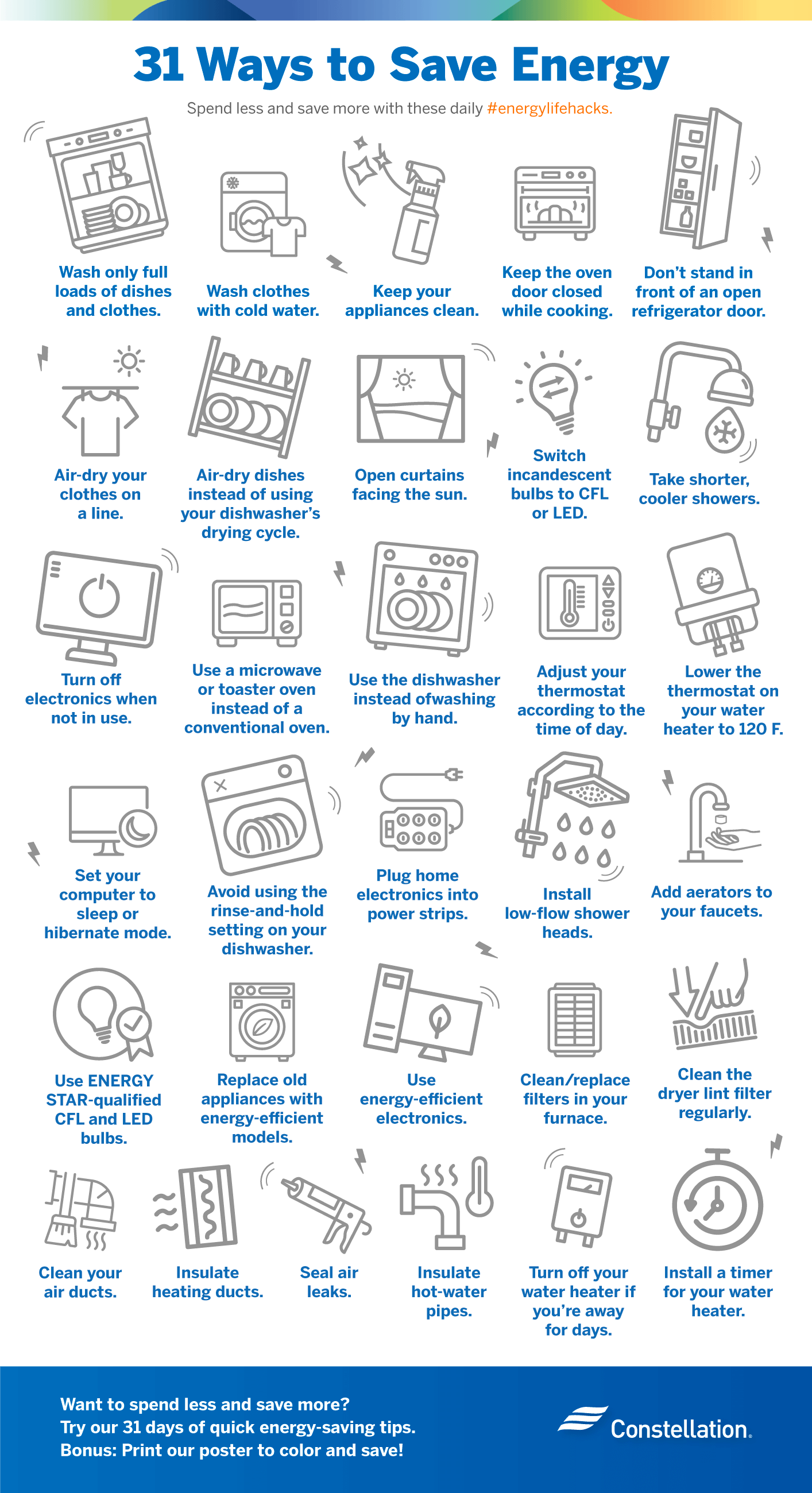
First, get smart with your thermostat. Seriously. A smart thermostat like a Nest or Ecobee can pay for itself in a year or two. It learns your schedule, you can control it from your phone, and it's just generally brilliant. But even without one, try this: set your thermostat back 7-10 degrees Fahrenheit (about 2-3 degrees Celsius for my international pals) for 8 hours a day. Think about when you're at work or sleeping. You won't even notice, but your wallet will. Trust me on this one.
And speaking of thermostats, resist the urge to crank it way up or way down. If you're cold, putting the heat to 85°F won't warm the house faster; it'll just make it overheat and waste energy. Same for AC. Be patient, let it do its job efficiently.
Unplugging and Powering Down: The Phantom Drain
Ever heard of "vampire power" or "phantom load"? It's not a spooky Halloween tale (though it is chilling for your bank account). Many electronics, even when turned off, still draw power just by being plugged in. Think chargers, TVs, coffee makers, gaming consoles. They're silently sucking juice, 24/7.
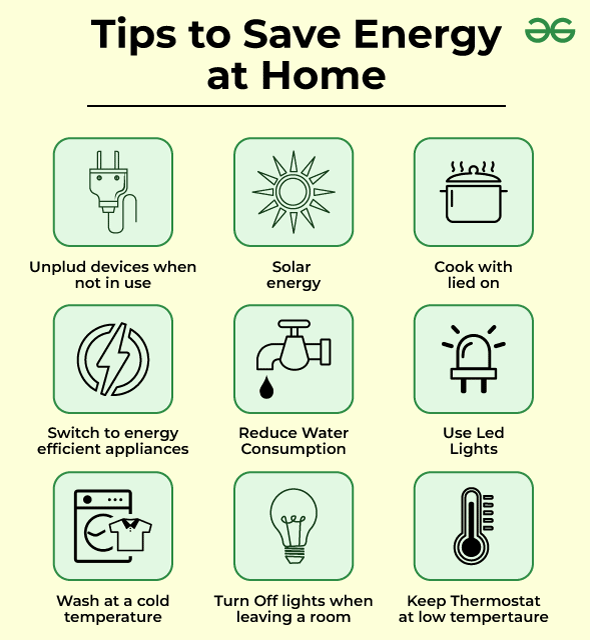
The easiest fix? Use power strips. Plug your TV, soundbar, and console into one, and just flip the switch when you’re done. Boom! Instant savings. For things like phone chargers, just unplug them when not in use. It takes two seconds, and it adds up over time. Who knew being lazy could be so expensive, right?
Let There Be (Efficient) Light!
Lighting might not be the biggest energy hog, but it’s an easy win. If you still have incandescent bulbs anywhere in your home, it’s time for an intervention. Seriously, ditch them.
Switch to LED bulbs. They use significantly less energy and last way, way longer. While the upfront cost is a bit more, they pay for themselves quickly. Plus, they don't get super hot, which means less heat contributing to your AC's workload in summer. It’s a no-brainer. And, obviously, turn off lights when you leave a room. It seems basic, but how many times have you walked out and forgotten? Be honest!
![What Is Energy Conservation? [Saving Energy] « ElectricRate](https://www.electricrate.com/wp-content/uploads/2021/04/saving-energy-at-home.png)
Hot Water, Cool Savings
Heating water is another major energy consumer. Think about it: every time you take a hot shower, wash dishes, or do laundry, your water heater is working overtime.
Turn down the temperature on your water heater. Most are set to a scorching 140°F (60°C). For most homes, 120°F (49°C) is perfectly adequate and safer (no accidental scalds!). This simple tweak can save you a surprising amount. Also, consider installing a low-flow showerhead. You won't notice a difference in pressure, but you'll notice it on your water and energy bills.
The Invisible Shield: Insulation and Drafts
Remember my initial bill shock anecdote? This is where I found a major culprit: drafts! All the heating and cooling in the world won’t matter if your expensive conditioned air is sneaking out through cracks and gaps. This is often the most overlooked area, but also one of the most impactful.
Do a quick audit: feel around your windows and doors for drafts. Use a lit candle or an incense stick – if the flame flickers, you've got a leak. Weatherstripping around doors and caulk around windows are your best friends here. They're inexpensive, easy to install, and hugely effective. And don't forget your attic! Proper insulation up there acts like a blanket for your whole house, keeping heat in during winter and out during summer. It's truly an unsung hero of energy saving.
So, there you have it. A few simple, mostly easy-to-implement changes that can make a real dent in your energy consumption and, more importantly, in that terrifying monthly bill. Start small, pick one or two things, and gradually incorporate more. You’ll be amazed at the difference. Your wallet will thank you, and frankly, so will the planet. Now, if you'll excuse me, I'm off to find some more caulk...