
Wave Power Energy Pros And Cons
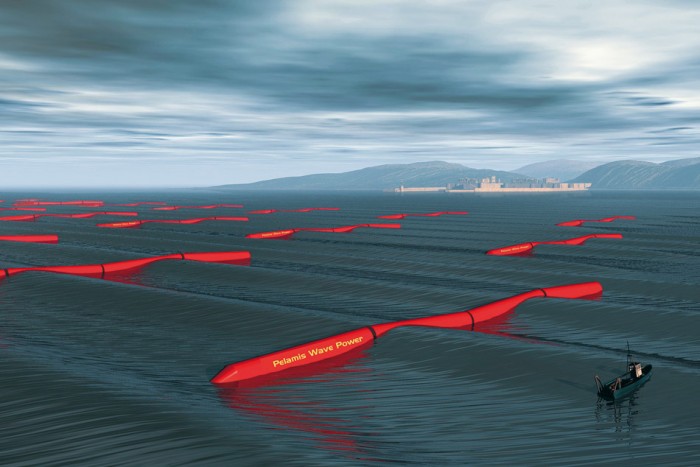
Ever woken up feeling a bit sluggish, only to realise your phone died overnight and now you can't scroll through cat videos while the kettle boils? Or perhaps you've been stuck in traffic, breathing in car fumes, and thought, "There must be a better way to power our world!" Well, my friend, have you ever considered the majestic, ever-waving ocean as a potential power source? It's not just for surfing or scenic sunsets, you know! Let's dive into the wonderfully watery world of wave power, exploring its highs and lows in an easy-breezy way.
Think about it: the ocean is practically a giant, tireless muscle, constantly flexing with waves. And those waves carry an incredible amount of energy. Imagine if we could harness even a tiny fraction of that power to charge our phones, light up our homes, and keep Netflix streaming without guilt. That's the dream of wave power!
Why Should You Even Care About Wavy Energy?
You might be thinking, "Waves are cool, but how does this affect me, sitting here with my cuppa?" Good question! The simple answer is: energy affects everything! From the price of your groceries to the air you breathe, how we generate electricity matters. Right now, a lot of our power comes from burning fossil fuels, which, let's be honest, aren't exactly doing wonders for our planet or our lungs. Think of it like a messy roommate – they get the job done, but at what cost to your peace of mind and hygiene? Wave power offers a cleaner, potentially greener alternative, helping us all breathe a little easier and keep our planet happy for future generations (and their cat videos).
Must Read
So, let's look at why this ocean-powered idea is pretty neat, and where it might hit a few choppy waters.
The Sunny Side of Wave Power (Pros!)
Imagine a superhero, always there, always reliable. That's kind of how wave power rolls:
1. It's Super Predictable and Always On: Unlike solar panels that nap when the sun sets, or wind turbines that get a bit sulky on calm days, waves are pretty much always happening. The ocean has a consistent rhythm. It's like that super reliable friend who always shows up on time – no last-minute cancellations! This makes wave power a much more consistent energy source than some other renewables. You can almost set your watch to it, which is fantastic for planning our energy needs.
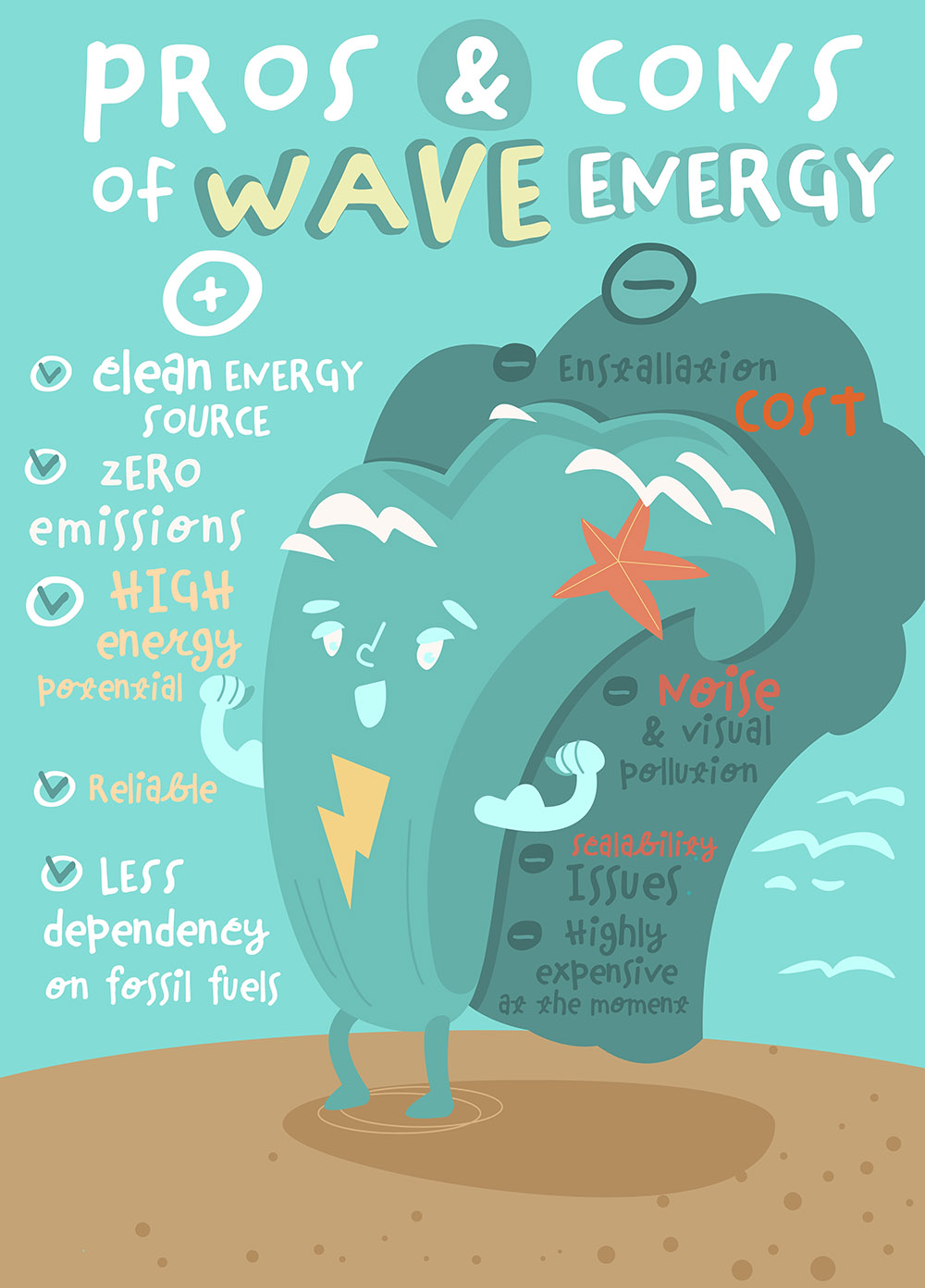
2. Earth-Friendly Power, No Nasties: Here's the big one. Once the wave energy converters are humming along, they produce zero greenhouse gas emissions. Absolutely none. It's like getting all your energy with a big, environmentally-friendly hug, rather than a smoky belch. Cleaner air for your morning jog, happier polar bears, and fewer scary weather reports? Yes, please!
3. The Ocean is a Giant Battery: There's a colossal amount of energy stored in the world's oceans. Just a small fraction of it could power vast swathes of our planet. It’s like an endless, all-you-can-eat buffet of clean energy, just waiting for us to figure out how to dish it up effectively. We're talking serious potential here!
4. Keeps Our Land Pretty: Most of the action happens out at sea. This means wave power technologies take up very little space on land, leaving our beautiful coastlines and precious land for homes, parks, and maybe a nice beachfront cafe. No huge fields of solar panels or sprawling wind farms needed on our scenic shores.
Navigating the Choppy Waters (Cons!)
Even superheroes have their kryptonite, and wave power, while promising, isn't without its challenges:
1. It's a Bit Pricey, For Now: Building and installing these wave energy machines isn't cheap. Think of it like buying the very first model of a fancy new gadget – it's cutting edge, but you pay a premium. The initial investment can be quite high, which makes some people a bit hesitant to jump in headfirst.
2. The Ocean is a Tough Boss: The sea is a beautiful place, but it’s also incredibly powerful and corrosive. Saltwater, huge storms, barnacles, you name it – it's all trying to break down our clever wave-catching machines. Keeping these devices working effectively and maintaining them in such a harsh environment is a huge engineering challenge. It's like trying to keep your smartphone pristine during a full-blown hurricane!

3. What About Our Fishy Friends?: We need to be careful that these underwater gadgets don't disturb marine life. Noise from the machinery, potential for entanglement, or even altering underwater habitats are all concerns that scientists and engineers are working hard to address. We want clean energy, but not at the expense of Nemo and his pals!
4. Location, Location, Location: Not every coastline is ideal for wave power. You need strong, consistent waves, which means certain areas of the world are much better suited than others. You can't exactly put a wave farm in Kansas, can you? This limits where wave power can be effectively deployed.
5. Getting the Power to Land: Once you've captured all that lovely wave energy out at sea, you need to get it back to the shore and into our homes. This requires underwater cables, which can be expensive and complex to install and maintain. It's like trying to run an extension cord from your neighbour's house, but your neighbour lives a few miles out in the ocean!

So, What's the Verdict?
Wave power is a bit like a bright-eyed newcomer with incredible potential. It has some fantastic strengths – it’s clean, reliable, and abundant. But it also faces some hurdles, mainly around cost, engineering challenges, and environmental impact. Think of it as a really talented musician who needs a bit more studio time and some fancy new equipment before hitting the big stage.
However, the future is looking increasingly optimistic! Engineers and scientists are tirelessly innovating, making wave technology more efficient, more robust, and more affordable. As we collectively push for cleaner ways to power our lives, wave power absolutely deserves our attention and investment. Because wouldn't it be just grand to know that the energy charging your phone or brewing your morning coffee came straight from the majestic, ever-waving ocean?
Next time you see a wave crashing, give it a little nod. It might just be the future of energy, gently rolling in.