
Wave Power Energy Advantages And Disadvantages

Okay, so picture this: I'm walking along the beach, sun shining (rare, I know, I live in the UK!), watching the waves crash in. And it hit me - all that energy, just sloshing around! It’s kinda bonkers we're not using it more, right? It got me thinking about wave power and whether it's actually the eco-savior it seems to be. Turns out, like everything, it's a bit more complicated than just plugging into the ocean. Let’s dive in, shall we?
The Alluring Upsides: Riding the Wave of Benefits
Let's start with the good stuff. Wave energy, in theory, is pretty darn appealing. It's a renewable energy source. Obvious, I know, but still needs saying. Unlike fossil fuels, the waves aren't going to run out anytime soon (unless climate change REALLY messes things up, which, yikes!).
Predictability is key. Think about it. We know when the tides are coming in and out. We can predict wave patterns pretty accurately, especially compared to, say, solar power on a cloudy day. This makes integrating wave energy into the grid a bit easier. Imagine knowing exactly how much power you'll get tomorrow... electric companies must drool at the thought!
Must Read
High energy density. Water is much denser than air, meaning waves pack a serious punch compared to wind. This means wave energy converters can, in theory, generate more power from a smaller area than wind turbines. Efficiency, baby!
Less visual impact. Alright, this one's a bit subjective. But compared to sprawling solar farms or towering wind turbines, some wave energy devices can be relatively unobtrusive. They can be submerged, minimizing their visual impact on the coastline. Though, admittedly, some designs... well, we'll get to that in the disadvantages section.

Reduced reliance on fossil fuels. This is the big one, isn't it? Wave power, like other renewables, offers a pathway towards a cleaner energy future, reducing our dependence on those nasty fossil fuels that are contributing to climate change. Every little bit helps, right?
The Crashing Downsides: Facing the Harsh Reality
Okay, now for the less shiny aspects. Let's not pretend wave energy is all sunshine and rainbows (or, you know, sunshine and waves). There are some significant hurdles to overcome.

Technology is still developing. This is a big one. Wave energy technology is still in its infancy compared to solar and wind. There isn’t one clear winning design and things are still being developed. Many prototypes have been tested, but large-scale commercial deployments are still rare. We're talking about unproven technology here, folks. Always a risk!
High costs. Developing and deploying wave energy converters is expensive. These things need to be built to withstand the harsh marine environment, including storms, corrosion, and biofouling (that’s sea critters attaching themselves, which, ew!). All that adds up to a hefty price tag. Will it ever be truly competitive with fossil fuels? That's the million-dollar (or, more likely, billion-dollar) question.

Environmental impacts. While less visually intrusive than some renewables, wave energy devices can still have environmental impacts. They can disrupt marine ecosystems, affect fish migration, and create noise pollution. Careful planning and environmental impact assessments are crucial to minimize these effects. We don't want to solve one problem and create another, do we?
Survivability. The ocean is a brutal place. Wave energy converters need to be incredibly robust to survive storms and the relentless pounding of the waves. Maintaining and repairing these devices in the open ocean is also a major challenge (and expense!). Imagine being the engineer who has to fix something in the middle of a hurricane... no thanks!
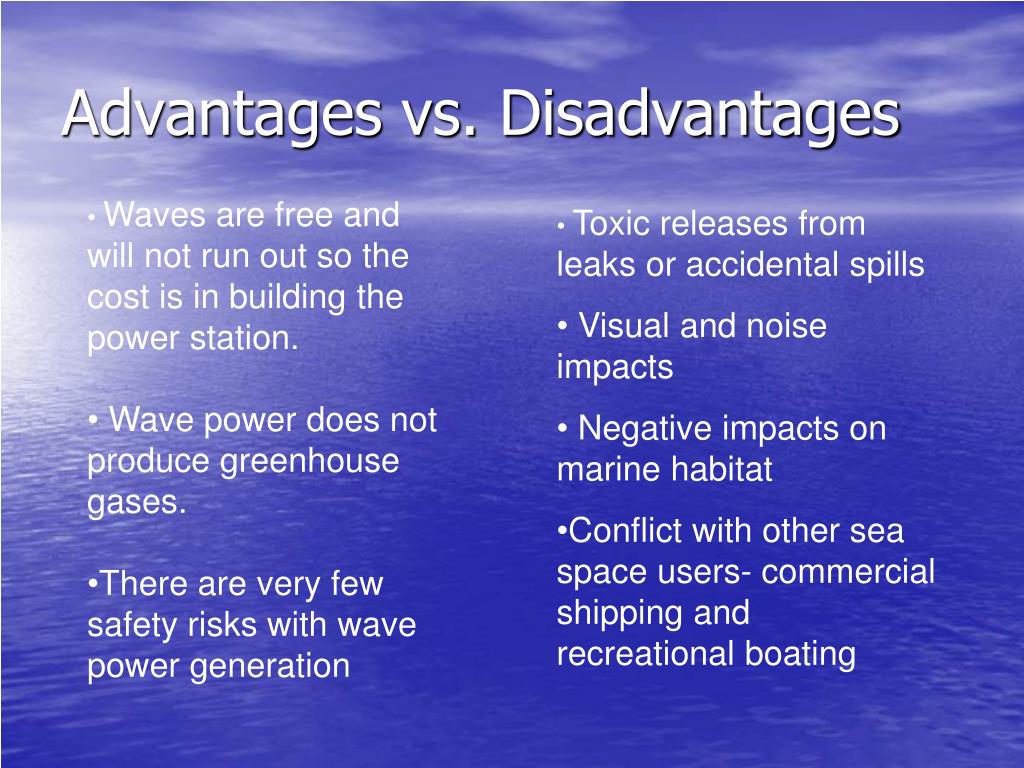
Grid integration. Wave power generation can be variable and intermittent, depending on wave conditions. This can make it challenging to integrate into the existing electricity grid, requiring energy storage solutions or backup power sources. Think of it like trying to pour water into a cup with holes in it... you need a better cup (or, in this case, a better grid!).
The Verdict: Is Wave Power Worth the Ride?
So, is wave power the answer to our energy prayers? Well, it's complicated. Like I said, it has some serious potential, but also some significant challenges to overcome. The key, I think, is continued research and development, along with careful planning and consideration of environmental impacts. We need to be smart about how we deploy this technology.
Ultimately, wave power is unlikely to be a silver bullet (sorry, couldn't resist the cliché!), but it could play a significant role in a diversified renewable energy portfolio. And hey, harnessing the power of the ocean? That's just plain cool. I'm cautiously optimistic, how about you?