
Water Used In Bath Vs Shower
Ah, the age-old dilemma that greets us at the start or end of a long day:
Is it a quick, invigorating shower or a blissful, indulgent bath? Beyond personal preference and the sheer joy of a steamy soak or a refreshing spray, there's a quieter question bubbling to the surface: how much water are we actually using? Let's dive into the great bath vs. shower debate, not with guilt, but with a sprinkle of curiosity and some splashy facts!
The Shower: Quick Rinse or Long Serenade?
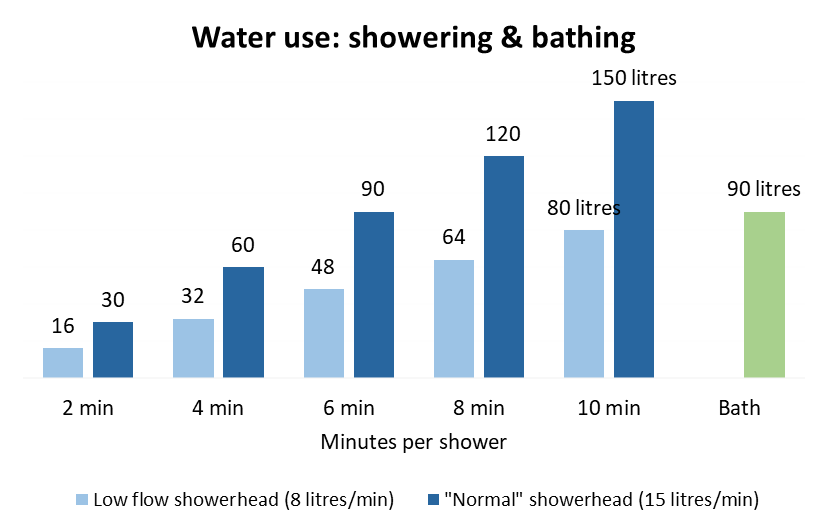
For most of us, showers are the go-to for a daily refresh. They're often hailed as the more water-efficient option, and generally, that's true. A standard showerhead, on average, uses about 2.5 gallons (around 9.5 liters) per minute. So, a quick 5-minute shower? That's about 12.5 gallons. Not too bad, right?
But here's where it gets interesting: if you're like me and occasionally get lost in a good shower-singalong or a deep conditioning treatment, those minutes can add up. A 15-minute shower? That's suddenly 37.5 gallons of water. Suddenly, the "efficient" shower isn't looking so lean!
Must Read
Pro Tip: Consider upgrading to a low-flow showerhead. These clever contraptions are designed to use less water (often 2.0 GPM or even less) while still providing excellent pressure. You might not even notice the difference, but your water bill – and the planet – certainly will!
The Bath: A Luxurious Dip
Now, let's talk about the bath. There's something undeniably luxurious about sinking into a tub full of warm, bubbly water. It's a ritual, a moment of peace, a mini-spa retreat in your own home. But how much water does that serenity cost?

A typical bathtub holds anywhere from 35 to 50 gallons (130-190 liters) of water when filled to a comfortable level. So, if you're taking a full bath, you're likely using more water than a quick 5-minute shower. However, compared to a longer shower, the gap might not be as vast as you think.
Historically, baths were a social affair! Think of the ancient Romans, whose elaborate public bathhouses were centers of community, conversation, and relaxation. They weren't just for cleaning; they were for connecting. Even today, the Japanese ofuro emphasizes relaxation and ritual, often with a pre-wash shower before soaking in the tub.

It's All About the Variables, Darling!
So, which is the clear winner for water saving? The truth is, it's not a straightforward answer. It's less about the bath vs. shower binary and more about how you use them.
- Shower Duration: A 20-minute power shower with an old, high-flow showerhead could easily use more water than a partially-filled bath.
- Bath Fill Level: Do you fill your tub to the very brim, or just enough for a comfortable soak? A less-than-full bath naturally uses less water.
- Showerhead Efficiency: As mentioned, a low-flow showerhead can be a game-changer.
Fun Fact: Did you know that turning off the water while you lather up in the shower (the "navy shower" method) can save several gallons? It's a simple trick with a big impact!

Practical Tips for a Smarter Soak or Spray
For Shower Enthusiasts:
- Time Yourself: Try a timer for your showers. Aim for 5-7 minutes. You'll be amazed how quickly you can get clean!
- Install Low-Flow: Seriously, it's one of the easiest ways to save.
- Consider Cold: A quick cold shower might not be for everyone, but the brevity alone saves water (and can boost your energy!).
For Bath Lovers:
- Don't Overfill: Only fill the tub as much as you need to comfortably immerse yourself.
- Consider a Partial Bath: Sometimes, just a foot soak or a sit-down soak is all you need for relaxation.
- Reuse (Carefully!): For the truly eco-conscious, if you use minimal soap, bathwater can sometimes be cooled and used for watering non-edible plants. Always check local regulations and plant compatibility first!
Beyond the Water Bill
While water usage is a big piece of the puzzle, don't forget about energy consumption! Heating all that water takes energy, whether it's for a shower or a bath. So, shorter, cooler showers or less intensely hot baths also contribute to a lower carbon footprint.
Ultimately, the choice between a bath and a shower often comes down to personal preference, time constraints, and the need for a moment of quiet reflection versus a brisk start to the day. Neither is inherently "bad," but being mindful of our habits can make a significant difference.
So, next time you step into your bathroom, remember that every drop counts. Whether you're chasing waterfalls or diving into a peaceful pool, a little awareness goes a long way. After all, taking care of ourselves and our planet often starts with these small, conscious choices in our daily rituals. Now, go forth and enjoy your wash – mindfully!
