Water Energy How Does It Work
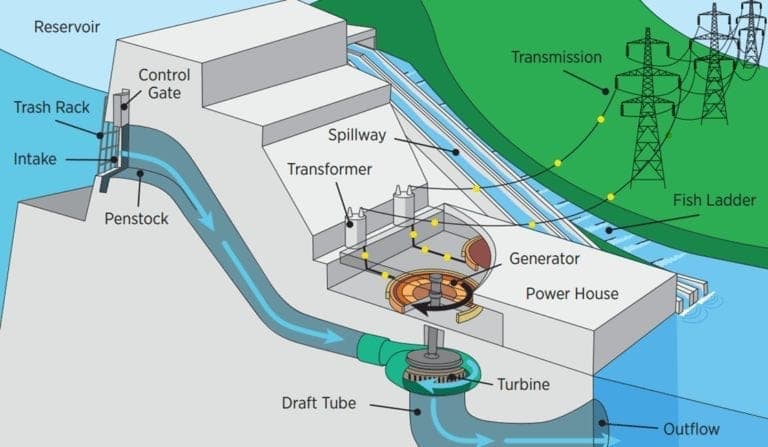
Have you ever stood by a roaring river or watched the sheer force of a waterfall, feeling that undeniable surge of raw power? It’s magnificent, isn’t it? For centuries, humanity has been captivated by water, not just for drinking or washing, but for its incredible ability to move things. From ancient watermills grinding grain to the epic scale of modern hydropower, we've learned to dance with water’s energy, transforming its natural flow into something incredibly useful: electricity.
The beauty of water energy, particularly hydroelectricity, lies in its simplicity and its profound impact on our daily lives. Imagine a world where your lights flicker on, your phone charges, and your internet hums along, all powered by something as fundamental as a flowing river. That’s the magic! The biggest benefit? It’s a renewable resource. Unlike fossil fuels that burn away and pollute, water simply cycles. The sun evaporates it, rain brings it down, and rivers carry it back to the ocean, ready to power us again and again. It means cleaner air, a more stable climate, and a reliable energy source that doesn't run out. It truly is one of the pillars of a sustainable future, providing the invisible force that fuels our modern conveniences.
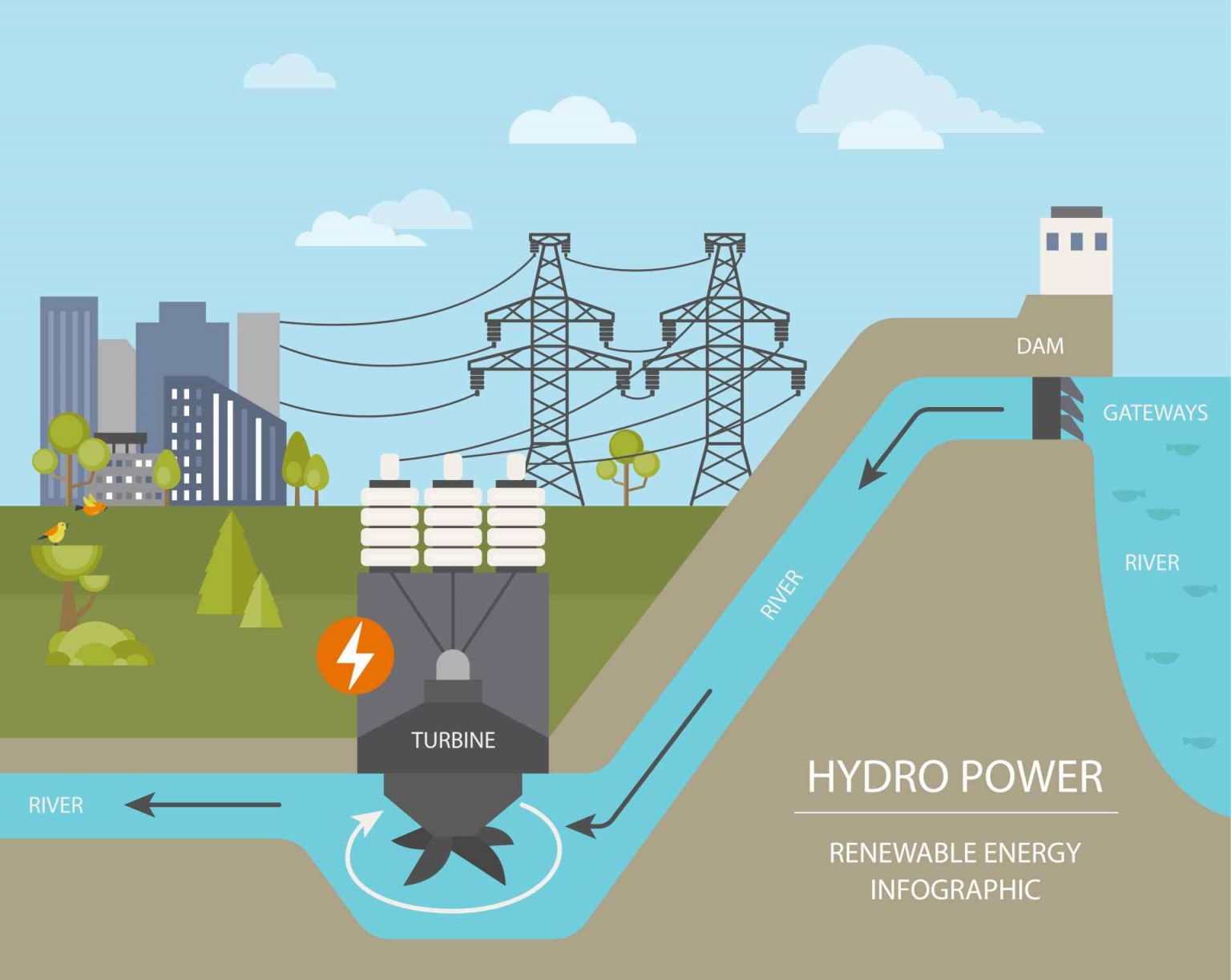
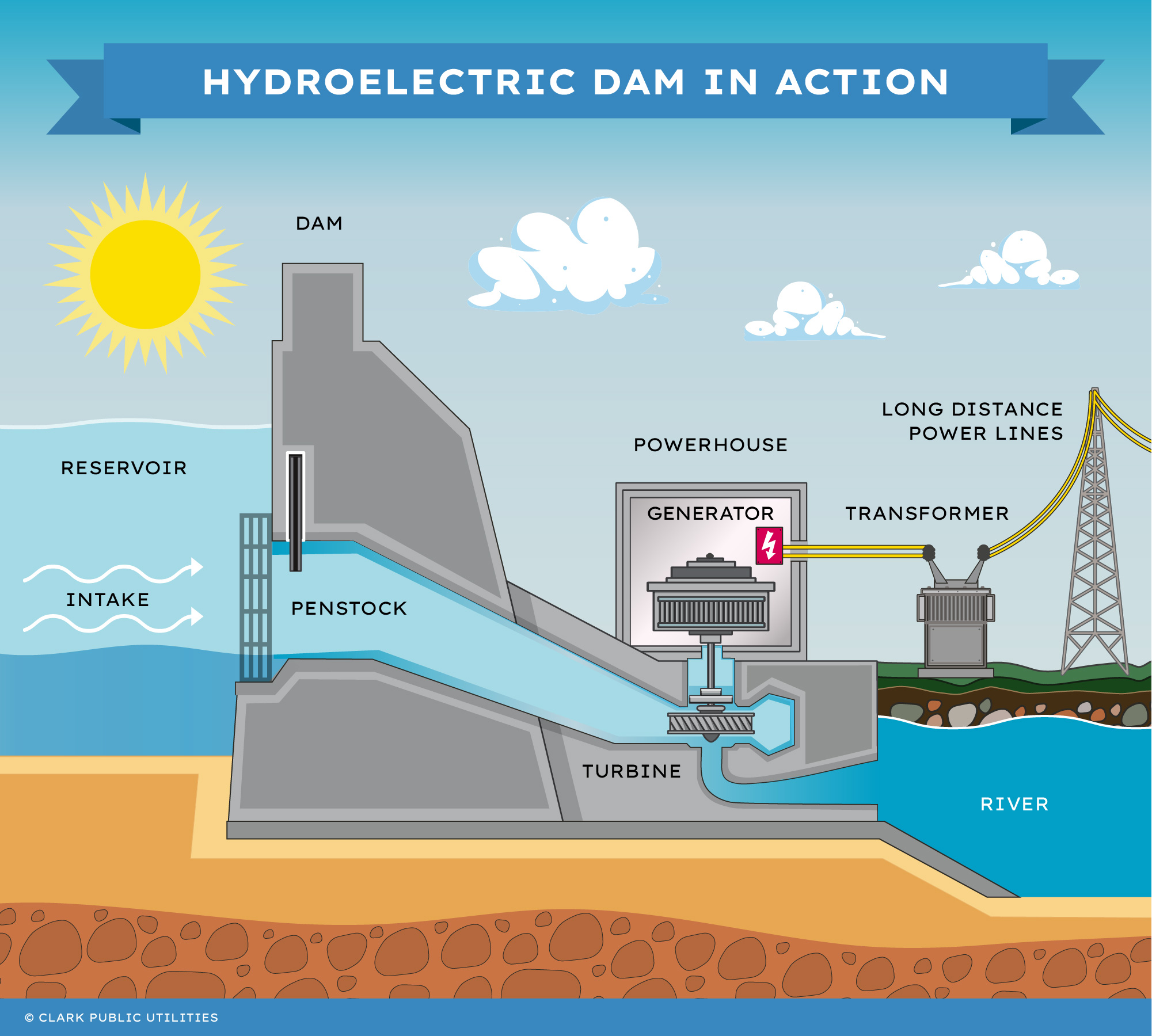
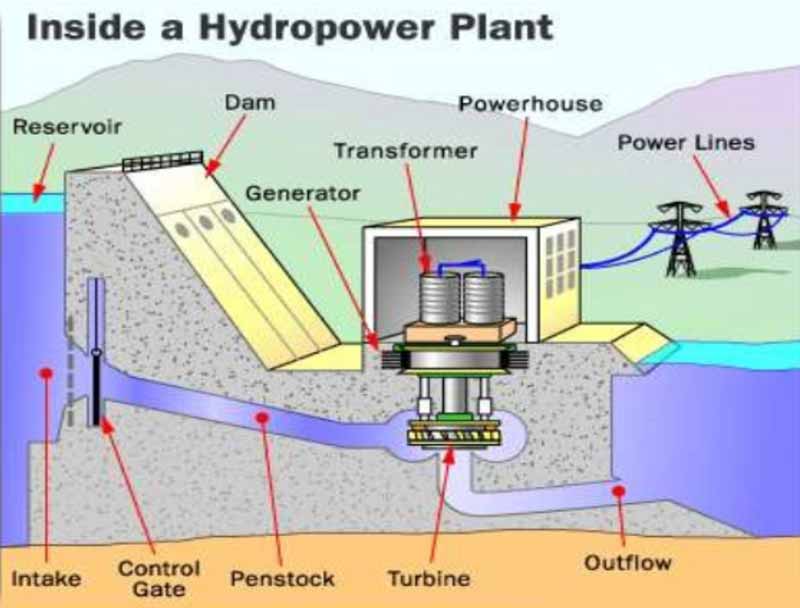
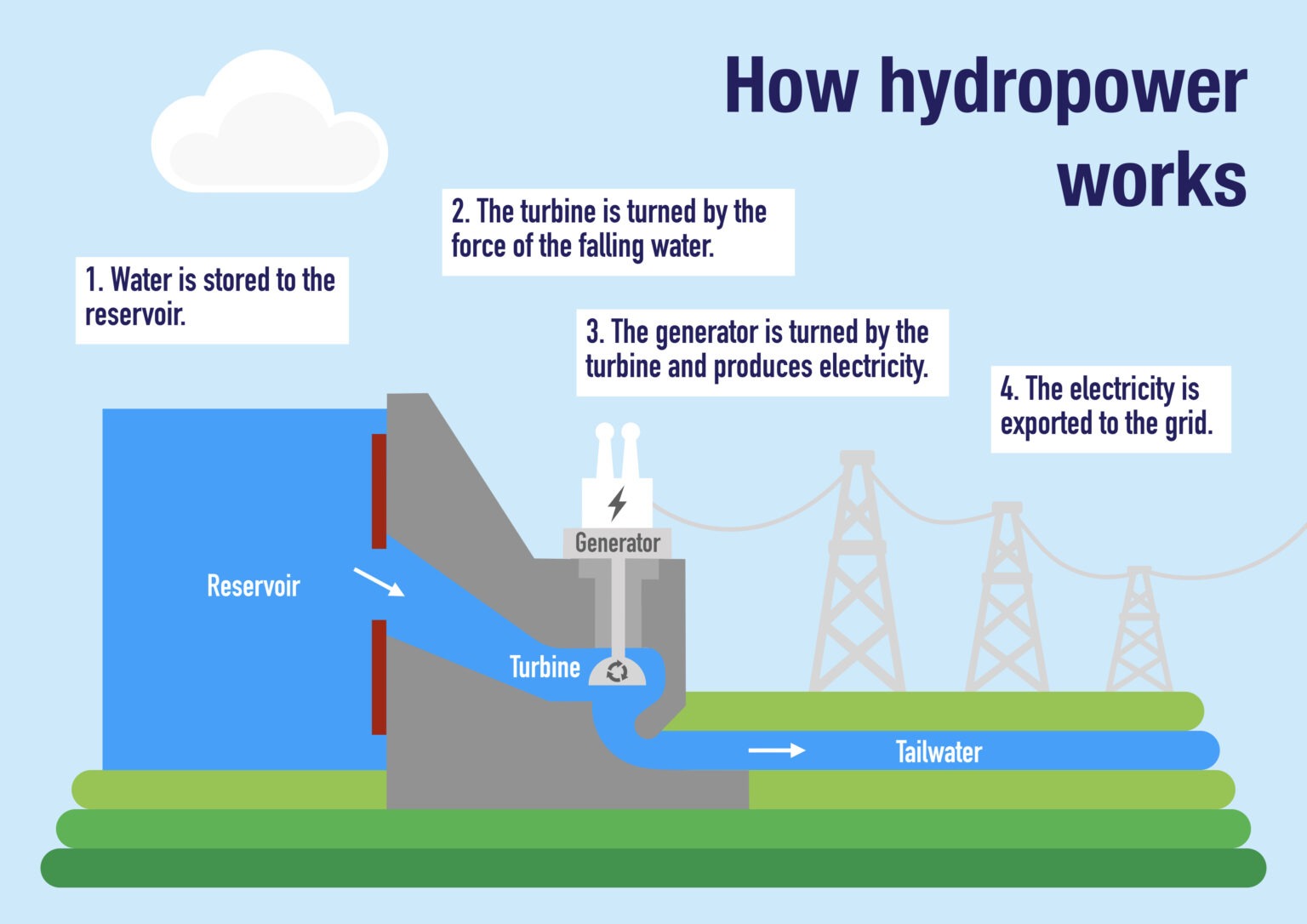
So, how exactly does this liquid magic work? The most common application is hydropower plants, often involving dams. Think of a giant bathtub: a dam holds back an enormous amount of water, creating a reservoir at a higher elevation. When we want electricity, gates open, and gravity does its thing. The stored water rushes down through large pipes called penstocks. As it plunges downwards, it picks up incredible speed and force, spinning massive propeller-like devices called turbines. These turbines are connected to generators, which are essentially large magnets and coils of wire. When the turbines spin, they cause the generator to rotate, converting that mechanical motion into electrical energy. This electricity is then sent through power lines to homes and businesses. Beyond dams, engineers are also exploring innovative ways to harness the endless rhythm of the ocean through tidal energy (using the ebb and flow of tides) and wave energy (capturing the motion of surface waves).
Must Read
While you might not have a personal hydropower plant in your backyard, you can still appreciate and connect with this incredible power source more effectively. Next time you see a river or a large body of water, take a moment to consider the sheer force contained within it. If you ever have the chance, visiting a large dam like Hoover Dam or the Grand Coulee Dam can be an awe-inspiring experience, revealing the monumental scale of human ingenuity combined with natural power. You can also explore where your local electricity comes from; many utilities proudly highlight their renewable energy mix. By understanding and supporting renewable energy initiatives, you contribute to a cleaner, more sustainable world, making every flick of a light switch a tiny celebration of water's enduring power. It’s a reminder that even the simplest things, like a drop of water, hold immense potential.