Voltage Is Like The _______ Of A Hill For Water

Ever wondered what voltage really is? Electrical concepts can feel a bit abstract, but they're actually quite relatable. And understanding them is super useful, especially as we rely more and more on electronic devices every day! Let's ditch the complicated jargon and explore voltage in a way that makes sense. Get ready for a surprisingly fun analogy involving hills, water, and a little bit of electrical engineering.
So, Voltage Is Like The _______ Of A Hill For Water? Fill in the blank: Height!
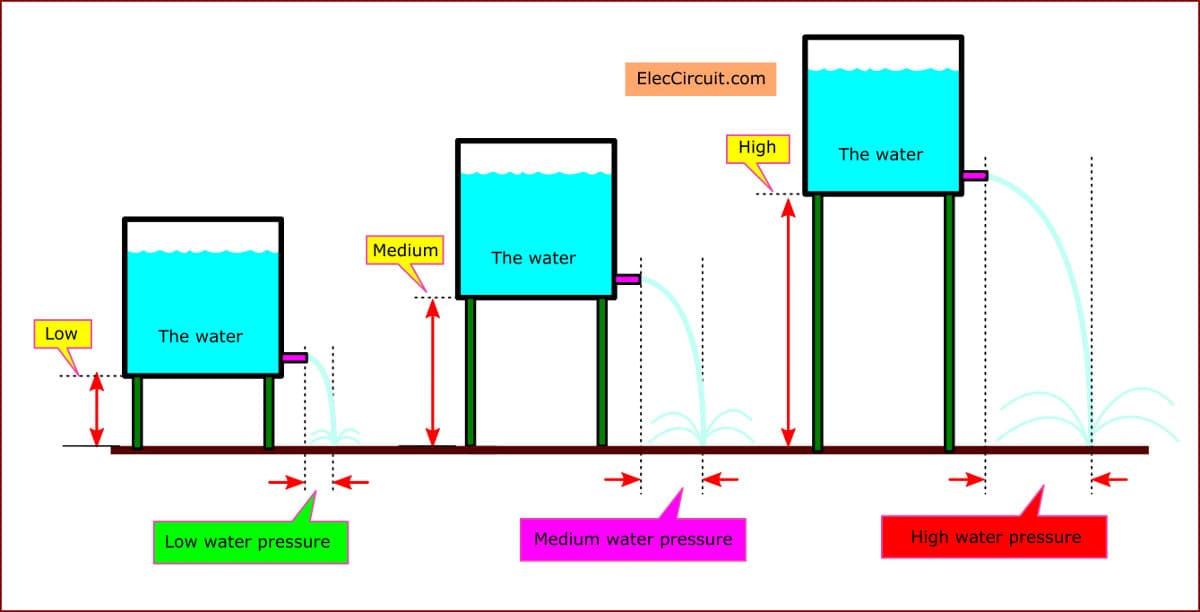
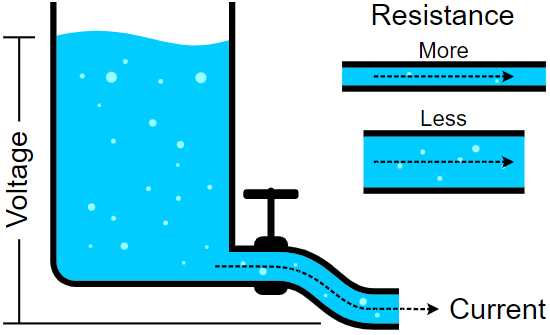
Imagine a hilltop lake. The water represents electrical charge, and the height of the hill represents voltage. The higher the hill (the greater the voltage), the more potential energy the water has. Now, imagine a pipe running down from the lake to a water wheel at the bottom of the hill. The water flowing through the pipe is like electrical current, and the water wheel is like a device that uses the electricity to do something, like power a lightbulb or turn a motor.
Must Read
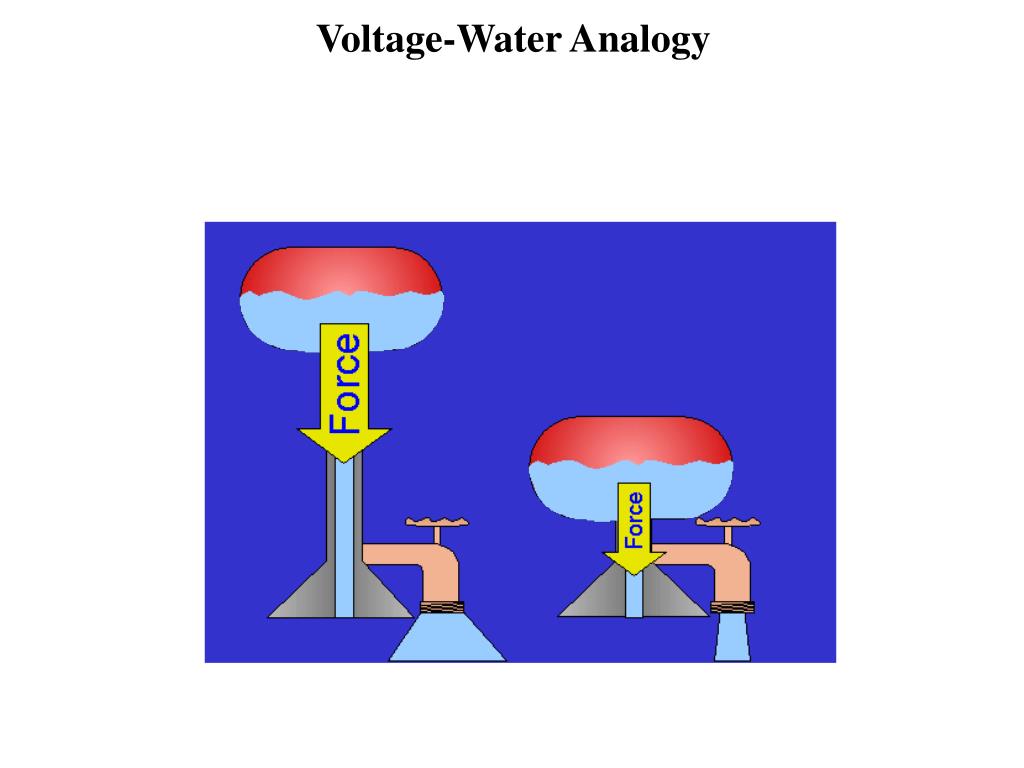
A higher hill means the water has further to fall, giving it more oomph. It will flow faster and with more force, turning the water wheel more powerfully. Similarly, a higher voltage means the electricity has more potential energy to push the current through a circuit, powering your devices more effectively.
Think about it this way: a small trickle of water from a low hill won't do much. But a rushing waterfall from a high cliff can power a whole hydroelectric dam! That's the difference voltage makes.
Purpose and Benefits: Understanding Voltage
Understanding voltage is incredibly beneficial, even if you're not an electrical engineer. Here’s why:
- Choosing the Right Power Supply: Have you ever looked at a device and noticed it needed, say, 5V? That's voltage! Knowing this helps you pick the correct power adapter, preventing damage to your electronics. Using the wrong voltage can fry your device (too much) or leave it powerless (too little).
- Troubleshooting Electrical Problems: If a device isn't working correctly, understanding voltage allows you to start investigating whether it's getting the right amount of power. A simple multimeter can help you measure voltage levels.
- Safety: High voltages can be dangerous. Understanding the concept helps you appreciate the potential hazards of electricity and take precautions to stay safe around electrical equipment.
- Energy Efficiency: Some devices are designed to operate at specific voltages for optimal energy use. Knowing this allows you to make informed decisions about appliances and power sources.
So, the next time you plug in your phone charger or turn on a light, remember the hilltop lake. The height of the hill (voltage) determines how much force the water (current) has to do work (power your devices). It’s a simple analogy that can make a complex concept much easier to grasp!
Understanding voltage, in essence, empowers you to be a more informed and responsible user of electricity in your everyday life. And hopefully, it makes you appreciate the wonders of electrical engineering just a little bit more!