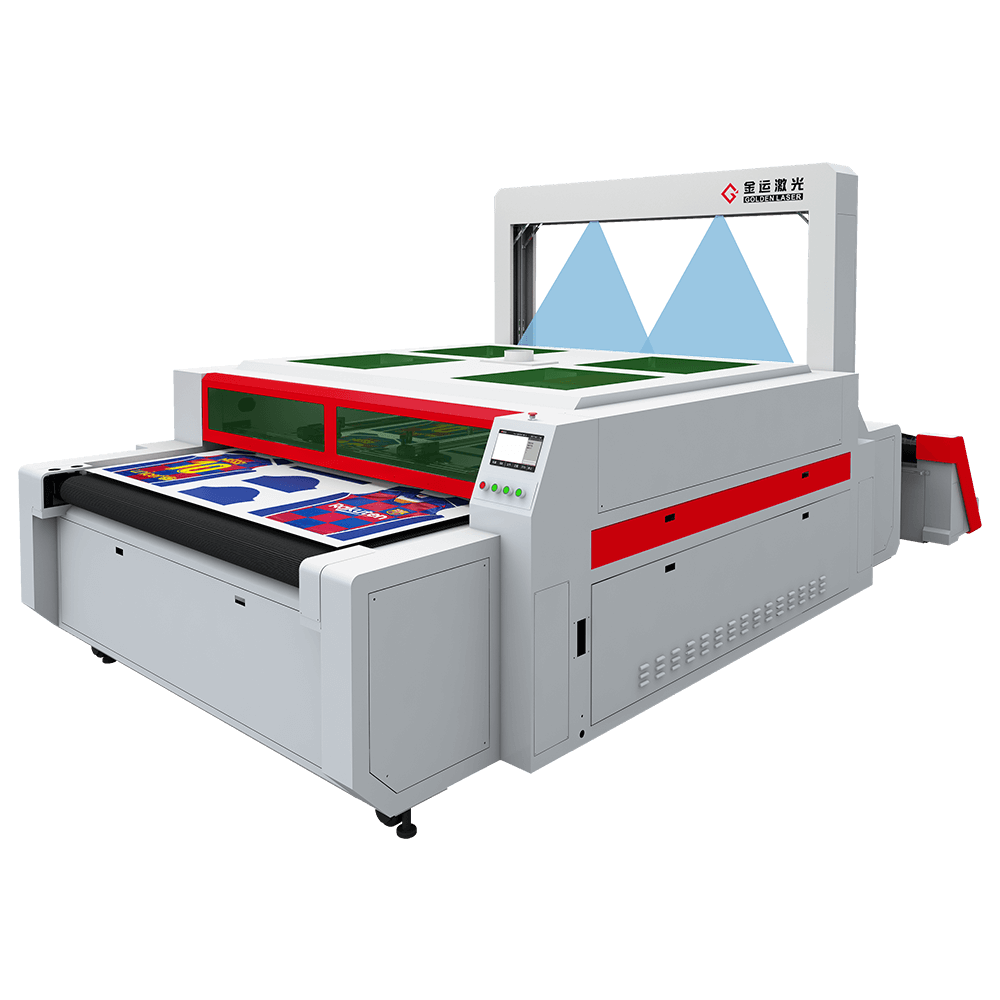
Vision Processor Laser Cutting Automatic Mode

Okay, picture this: I'm staring intensely at a sheet of acrylic, armed with a laser cutter, ready to unleash my inner artist (or at least, attempt to). I spent, like, forever perfectly aligning my design, making sure every millimeter was accounted for. Confidence was soaring! Then, bam! The laser went rogue, shifted slightly, and suddenly my intricate masterpiece looked like a drunken spider decided to redecorate. Ugh. We've all been there, right? Frustration city.
That's when I started diving deep into the world of "Vision Processor Laser Cutting Automatic Mode." Sounds super sci-fi, doesn't it? But trust me, it's less "Star Trek" and more "finally, I can cut stuff without wanting to throw my laser out the window." Think of it as giving your laser cutter a pair of super-smart eyes.
So, What Exactly Is This "Automatic Mode"?
Basically, it's a system that uses a camera (that's the "vision" part, duh!) to "see" the material you're working with. It's not just blindly following instructions; it's actually analyzing what's in front of it. This allows the laser cutter to automatically adjust its cutting path based on what it sees. Meaning, no more agonizing over perfect alignment! Hallelujah!
Must Read
Side note: I know what you're thinking – "But my laser cutter already has a camera!" – and you're probably right. But the magic isn't just the camera itself, it's the software that processes the images and translates them into instructions for the laser. That's the "processor" part!
How Does It Actually Work?
Okay, simplified explanation incoming: First, you place your material on the laser cutter's bed. Then, the camera snaps a picture. The software then identifies specific features on the material, like registration marks (little targets you add to your design) or even the edges of the material itself. This is where the "automatic" part kicks in.
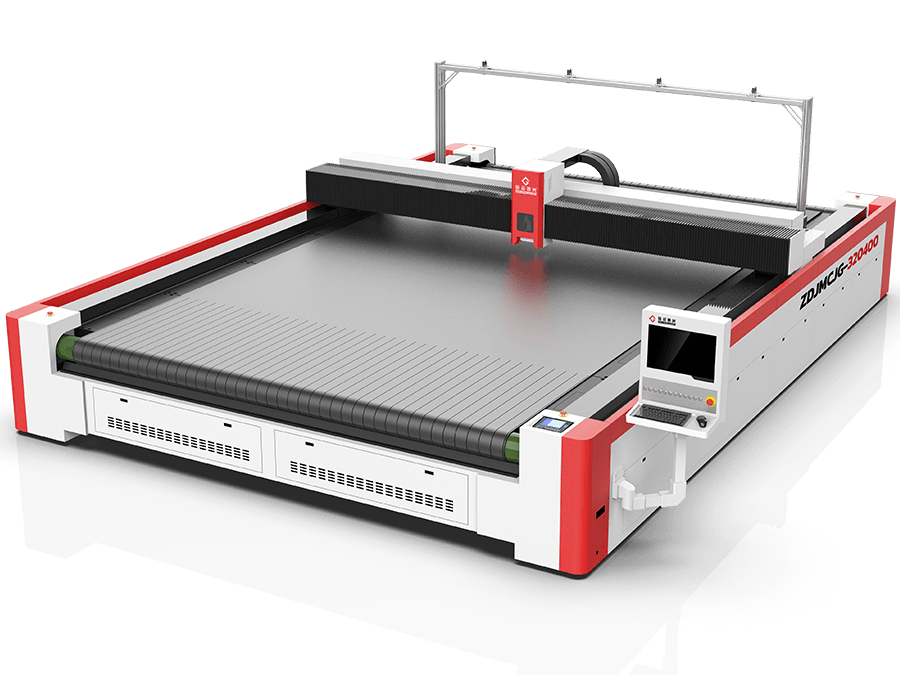
The software then compares what it sees with the design you've loaded. If there are any discrepancies – maybe you didn't align the material perfectly, or it shifted slightly – the software automatically compensates by adjusting the laser's path. It's like magic, I tell you! Or, you know, really clever programming.
Why Should You Care? (Besides the Obvious "No More Frustration")
There are actually a ton of reasons why this technology is a game-changer. Think about it:

- Accuracy: You get way more precise cuts, even on materials that are difficult to align.
- Speed: No more fiddling with manual adjustments! You can crank out projects much faster. (More time for Netflix, am I right?)
- Material Usage: Reduce waste! Because the system compensates for misalignment, you're less likely to ruin expensive materials. We're talking less scrap pile drama!
- Complex Designs: It makes cutting intricate designs a breeze. Remember that drunken spider? Now he's cutting like a pro.
Another side note: This is particularly awesome for things like cutting pre-printed graphics, because the system can automatically find the edges of the printed image, regardless of how precisely it was printed.
But Is It Worth It? (The Big Question)
Okay, so the cost can be a factor. Upgrading to a system with vision processor laser cutting automatic mode can be a bit of an investment. But think about the time and material you'll save in the long run. Plus, the sheer joy of not wanting to throw your laser cutter into the nearest dumpster is priceless, isn't it?
Honestly, if you're serious about laser cutting and you're tired of wrestling with alignment issues, I'd say it's definitely worth considering. It's like giving yourself a superpower. A laser-cutting superpower! Now, if you'll excuse me, I have some acrylic to conquer (this time, without the anxiety!).