Vertical Axis Wind Turbine Beats Photovoltaics

Let's face it, who doesn't love the idea of free, clean energy? We're all becoming more aware of our impact on the planet, and the thought of powering our homes and lives with the sun or wind is incredibly appealing. For years, photovoltaic (PV) solar panels have been the poster child for renewable energy, adorning rooftops and fields alike. But a new contender is blowing onto the scene, and it might just be ready to steal the spotlight: the vertical axis wind turbine (VAWT).
Solar panels are fantastic. They convert sunlight directly into electricity, providing a reliable power source during daylight hours. You see them everywhere: powering calculators, charging stations, and even entire solar farms. They've become a symbol of our commitment to a greener future. But solar power has its limitations. It relies heavily on direct sunlight, meaning cloudy days and nighttime bring energy production to a standstill. Plus, the efficiency of solar panels can decrease over time and they require considerable land area for large-scale deployment.
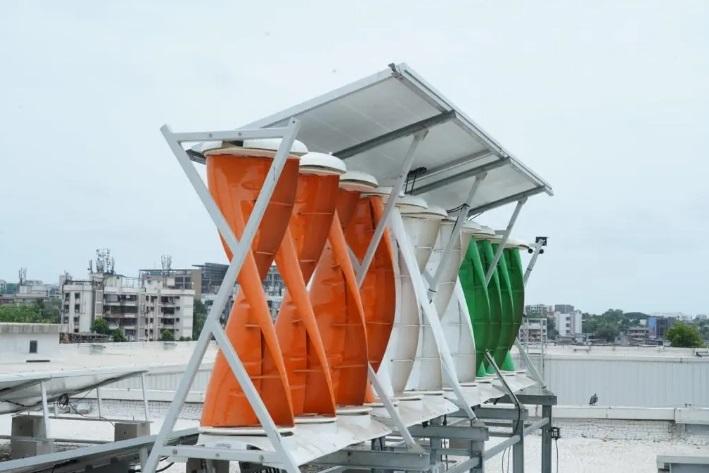
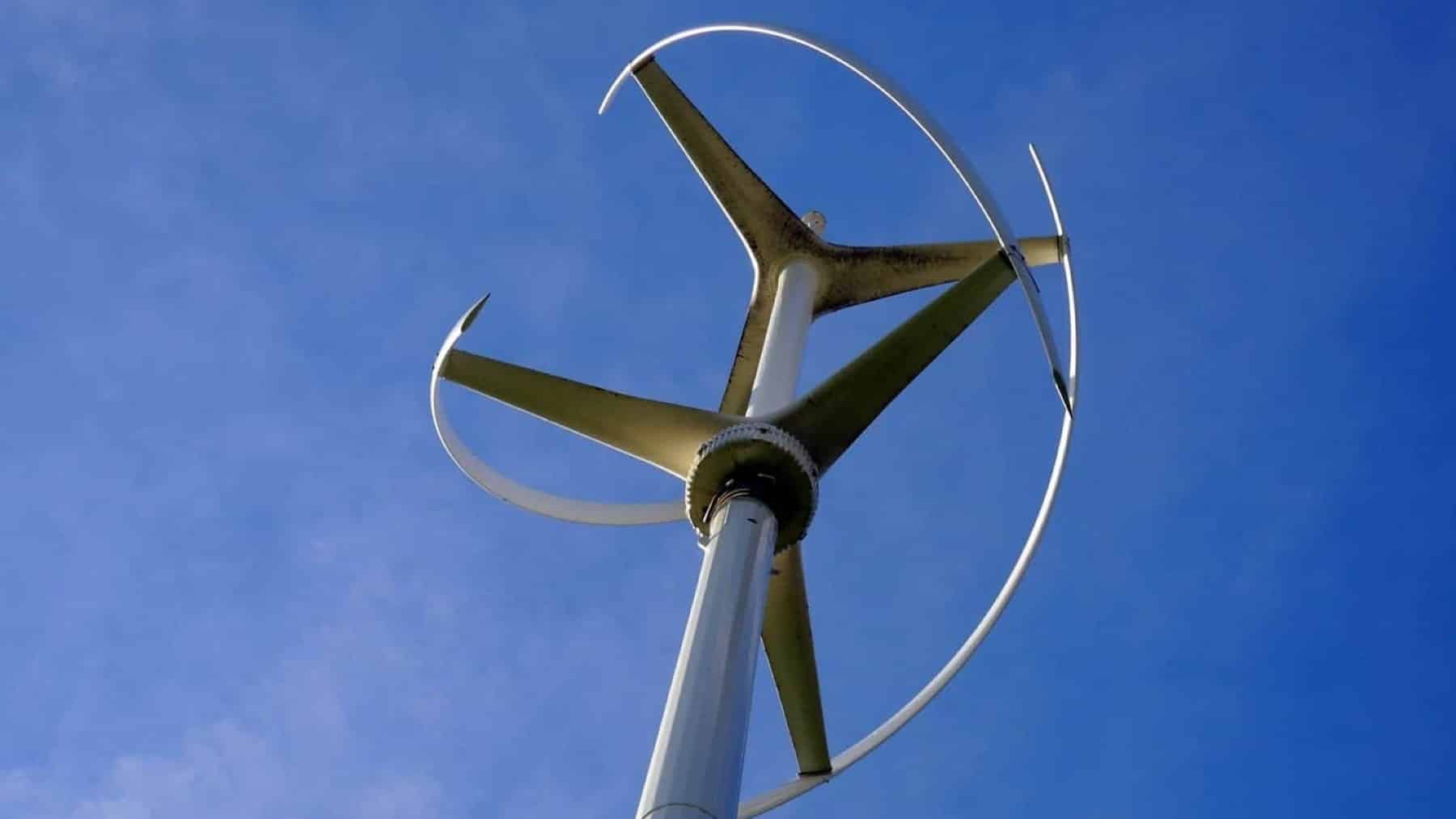
Enter the VAWT. Unlike the traditional horizontal axis wind turbines (HAWTs) we often picture with their massive blades spinning high in the sky, VAWTs have a vertical rotor that spins around an axis perpendicular to the ground. This seemingly simple difference gives them some significant advantages. The biggest one? They can capture wind from any direction! No need for complex mechanisms to constantly reorient the turbine to face the wind. This omnidirectional capability makes them far more adaptable to urban environments where wind directions can be unpredictable and gusty.
Must Read
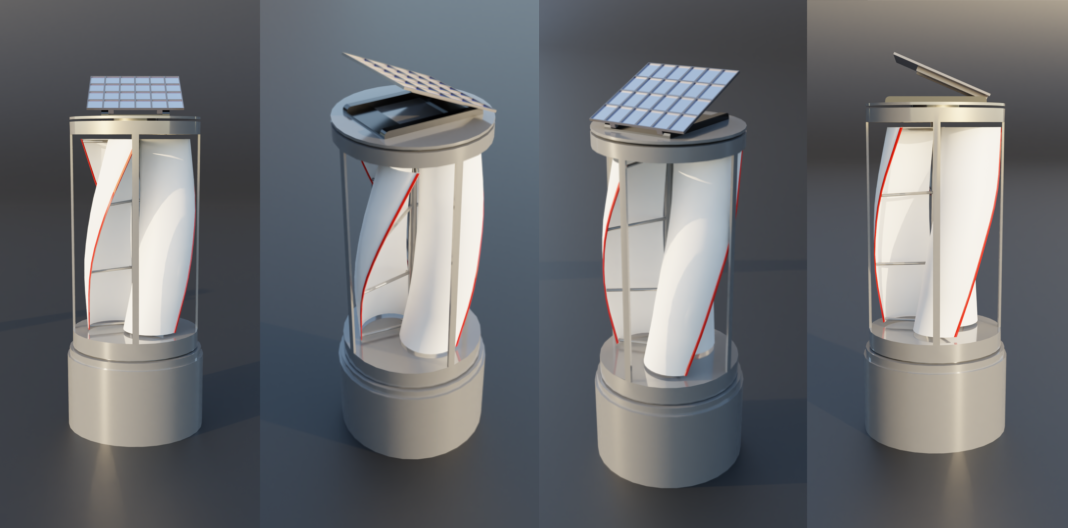
Think about it: imagine a series of VAWTs neatly integrated into the rooftops of city buildings, quietly and efficiently generating power regardless of where the wind is coming from. Or smaller, aesthetically pleasing VAWTs powering streetlights or charging stations in parks. This kind of decentralized energy production could drastically reduce our reliance on fossil fuels and make our cities more sustainable. Plus, VAWTs tend to be quieter and pose less of a threat to birds compared to their horizontal counterparts. They can even be designed to look like works of art, adding a touch of modern flair to the cityscape.
So, how can you embrace the VAWT revolution and potentially enjoy its benefits more effectively? While widespread residential VAWT adoption is still developing, keep an eye on advancements in the technology. Research companies that are designing and manufacturing efficient and aesthetically pleasing VAWTs for urban environments. Support policies and initiatives that encourage the development and deployment of VAWTs in your community. Talk to your local government officials and advocate for the inclusion of VAWTs in renewable energy plans. By staying informed and engaged, you can help pave the way for a future where VAWTs contribute significantly to a cleaner, more sustainable energy landscape. The age of the VAWT is dawning, and it's time to get on board!