Typical Energy Usage For A Home
Ever stop to think about the quiet hum that powers your life? It's not a fairy godmother or a magical genie, but something far more reliable and ubiquitous: the energy that courses through your home. We often take it for granted, but whether it’s the invigorating blast of a hot shower in the morning, the comforting glow of a reading lamp at night, or the delicious aroma wafting from a preheated oven, our daily lives are utterly dependent on a steady stream of electricity and gas. It’s the invisible assistant that ensures our coffee is brewed, our shows are streamed, and our homes stay just the right temperature. In essence, we don't just "use" energy; we revel in the comfort and convenience it brings, allowing us to live, work, and relax in ways our ancestors could only dream of.
The primary purpose of typical home energy usage is simple: to make our lives easier, safer, and infinitely more comfortable. It's the backbone of modern living, providing everything from basic necessities to luxurious conveniences. Need to preserve food? Your refrigerator is a constant, low-power marvel. Want to clean your clothes without hours of scrubbing? The washing machine and dryer are at your service. From lighting our darkest corners and heating our chilly rooms to cooling us down on scorching days, energy ensures our domestic environment is precisely how we like it. It powers our communication, our entertainment, and even the devices that keep us healthy and connected. Without it, our homes would quickly revert to a much less hospitable, much less efficient state.
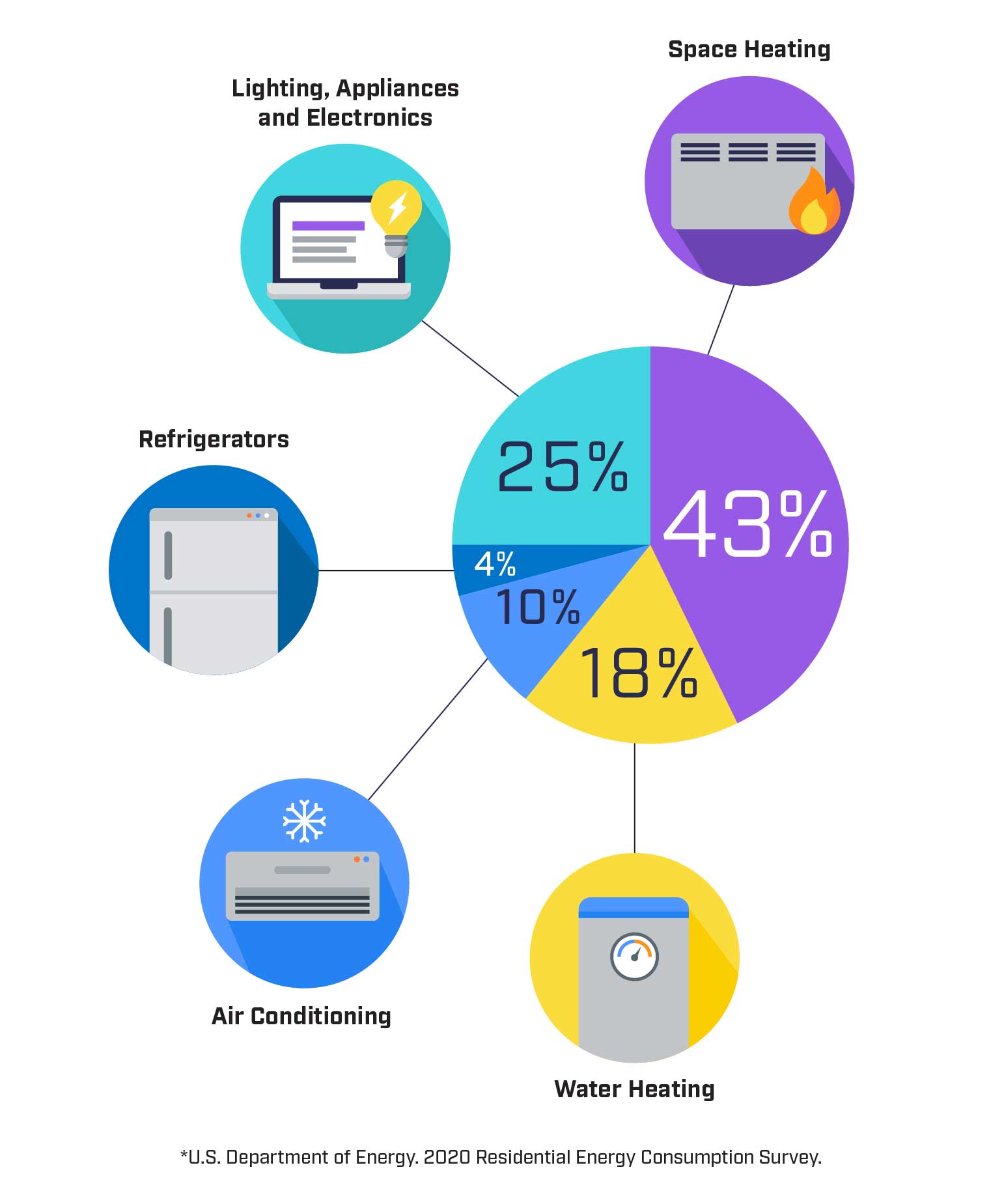
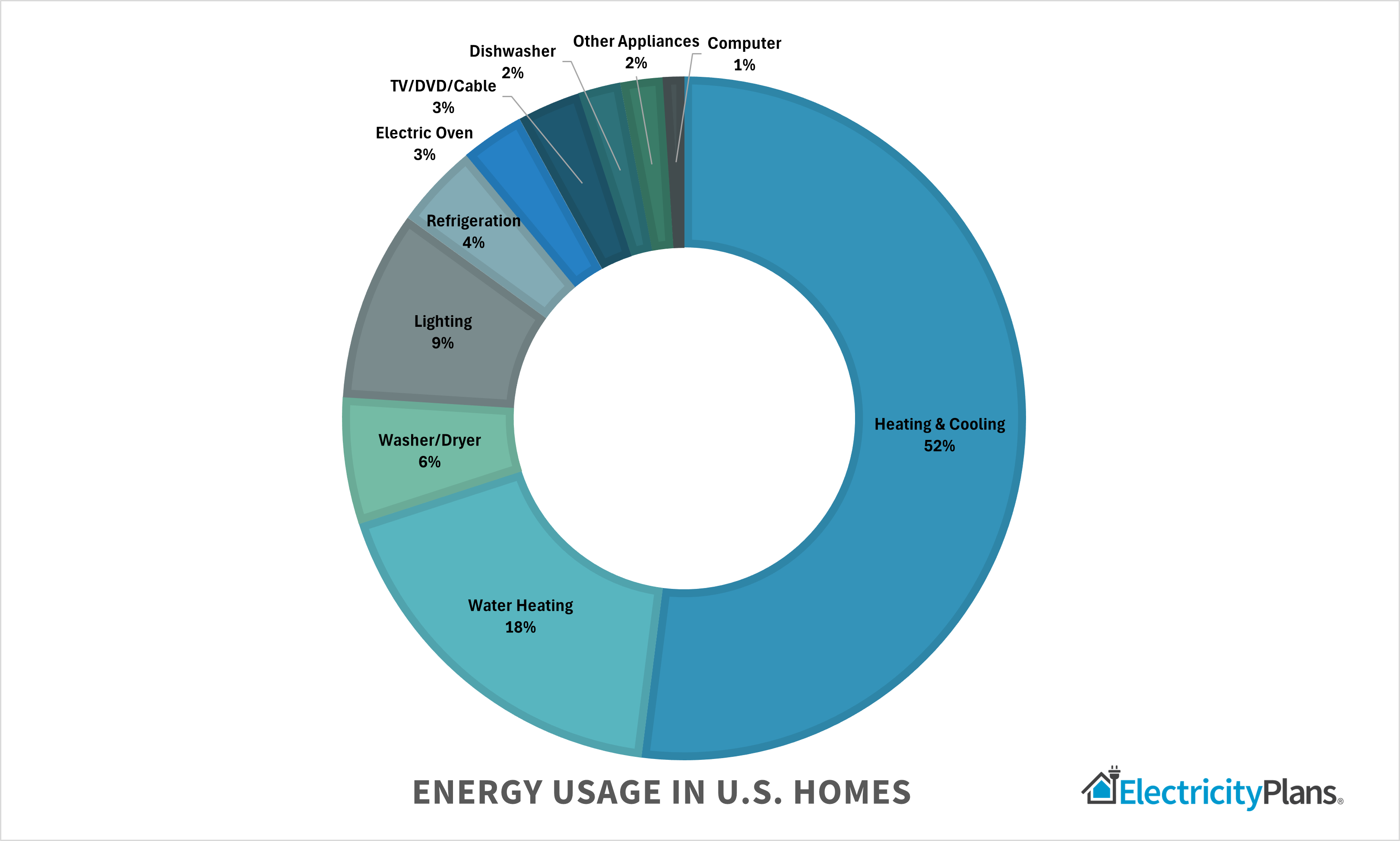
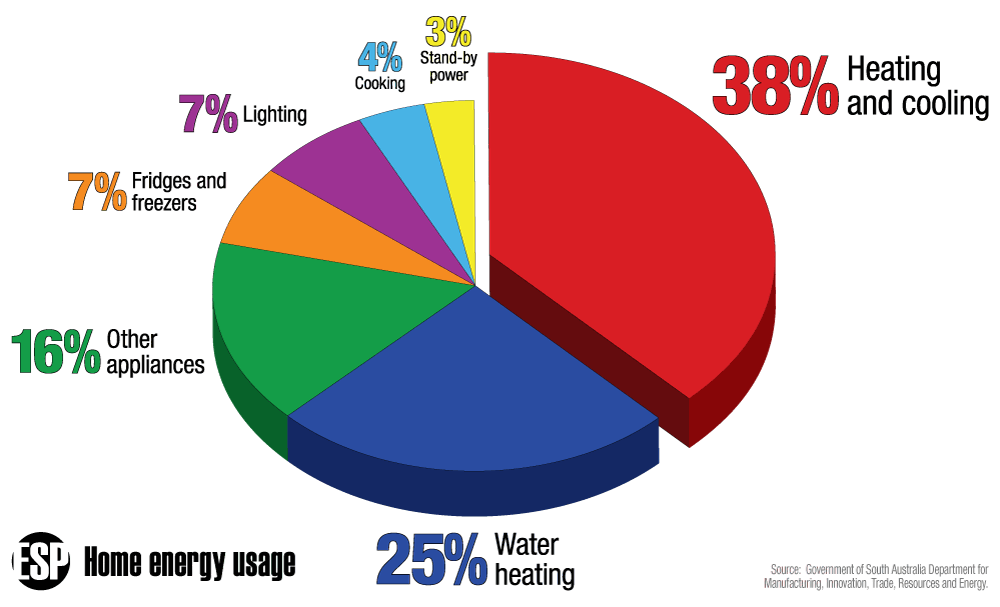
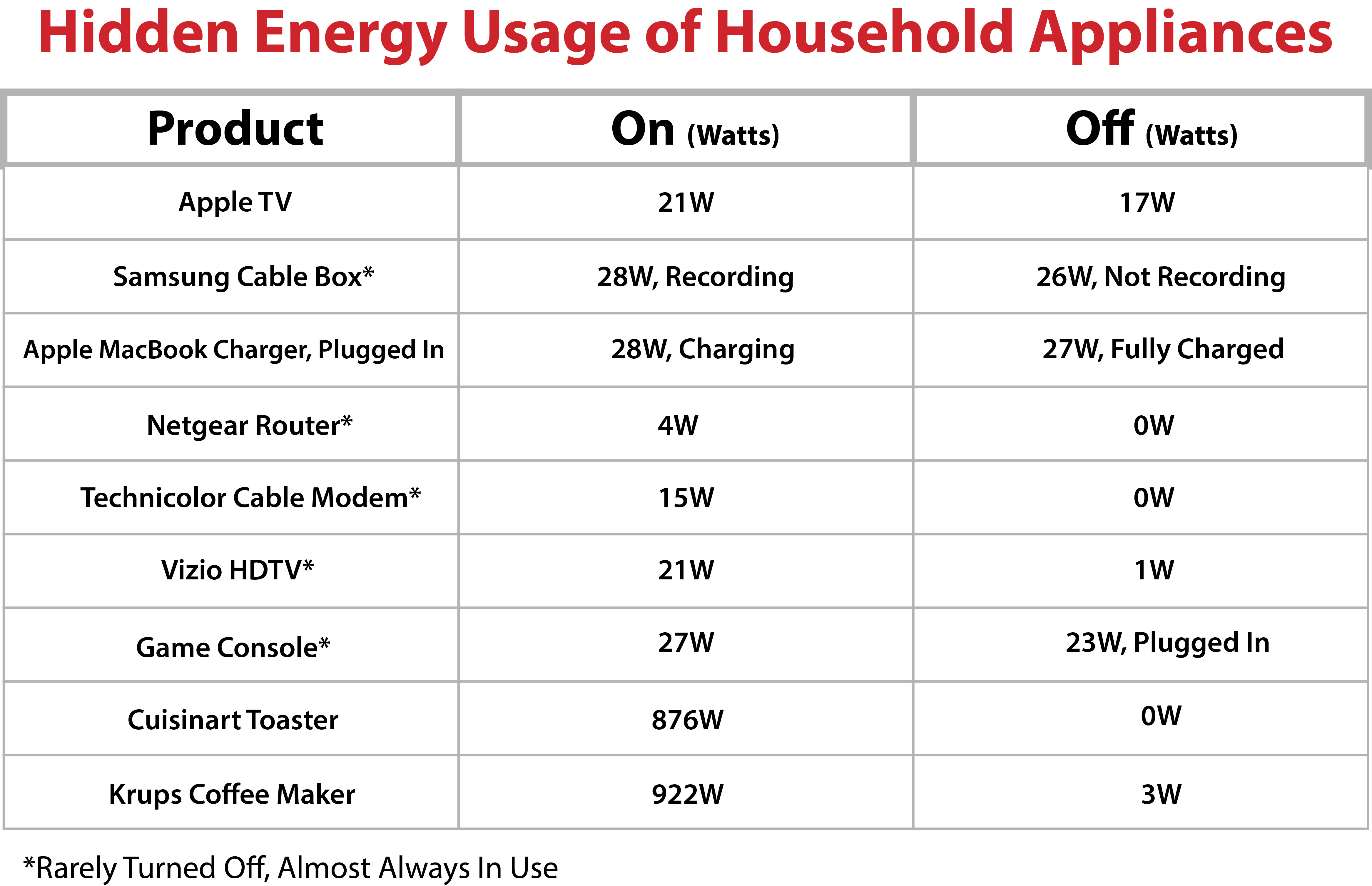
So, where does all this energy go? You might be surprised by the big players and the sneaky culprits. The champions of consumption are usually your heating and cooling systems (HVAC), which can account for a massive chunk of your bill, especially in extreme weather. Next up are your water heater, refrigerator, and your laundry appliances (washer and dryer). But don't forget the legion of smaller devices: the TV always on standby, the phone charger still plugged in, the game console lurking in sleep mode. These are known as "phantom loads" or "vampire power," silently sipping energy even when not actively in use. Even your light bulbs, while less significant individually (especially with modern LEDs), add up when multiplied across an entire home.
Must Read
Want to "enjoy" your energy more effectively – and perhaps save a few pennies in the process? It’s all about smart habits and clever upgrades. First, tackle your thermostat: set it a few degrees higher in summer and lower in winter, and consider a programmable or smart thermostat to adjust automatically when you’re away. Embrace natural light during the day and switch to LED bulbs; they last longer and use dramatically less power. Unplug chargers and electronics when not in use to banish those energy vampires. For appliances, run your dishwasher and washing machine with full loads, and use cold water cycles where possible. Finally, ensure your home is well-insulated and seal up any drafts around windows and doors. These simple steps don't just reduce your carbon footprint; they make your home more comfortable and your wallet a little heavier, letting you truly enjoy the power you pay for!