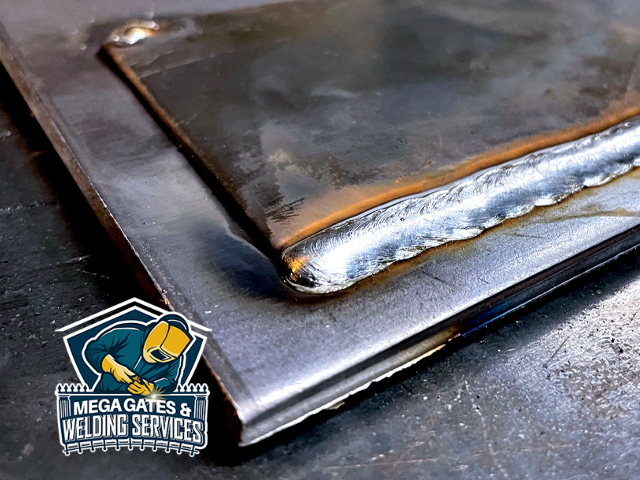
Types Of Welding In Sheet Metal

Ever looked at a cool metal sculpture, a custom car part, or even just a sturdy garden gate and thought, "How did they make that?" Well, chances are, welding was involved! Specifically, when we're talking about thinner materials like the kind used for car bodies, appliances, or DIY projects, we're diving into the fascinating world of sheet metal welding. It might sound intimidating, but it's actually a super satisfying skill to learn, opening up a whole new realm of creation and repair!
Learning to weld sheet metal isn't just for professionals; it offers a ton of benefits for everyday folks. For beginners, it's an incredible way to gain a practical skill that helps you fix things around the house – think patching up a rusty mailbox, repairing a broken patio chair, or even making small metal art. For families, it can spark creativity, allowing you to collaborate on unique projects like custom plant stands or decorative wall hangings, all while teaching valuable problem-solving. And for hobbyists, welding sheet metal is a game-changer for car restoration, creating intricate sculptures, building custom furniture, or prototyping new inventions. It empowers you to bring your metal visions to life!
When it comes to joining thin sheets of metal, a few welding types really shine. The most popular for hobbyists and beginners is MIG welding (Metal Inert Gas). It's often called the "hot glue gun" of welding because it's relatively easy to learn: you pull a trigger, and a wire feeds out, creating a clean, strong weld. It's fantastic for general repairs and fabricating thicker sheet metal. Then there's TIG welding (Tungsten Inert Gas), which is more precise and creates incredibly clean, beautiful welds, making it perfect for very thin or delicate sheet metal projects where aesthetics are paramount, like custom exhaust pipes or high-end metal art. It requires a bit more skill and patience but delivers stunning results. You might also encounter spot welding, which quickly joins overlapping sheets in small spots, common in automotive manufacturing, but less of a general-purpose DIY technique.
Must Read
Ready to try your hand at it? Here are some simple, practical tips to get started. First and foremost, safety is paramount! Always wear appropriate personal protective equipment (PPE), including a welding helmet, gloves, and protective clothing. Second, consider starting with a MIG welder. They are generally more forgiving for beginners. Third, don't dive straight into a project; practice on scrap metal! Get a feel for the machine and how different settings affect your weld. There are tons of great online tutorials and local classes that can guide you. Start small, focus on consistent movement, and don't be afraid to make mistakes – that's how you learn!
Welding sheet metal is more than just joining two pieces of metal; it's about connecting ideas, repairing what's broken, and creating something new and lasting with your own hands. There's immense satisfaction in seeing a strong, well-formed weld and knowing you made it happen. So, grab your gear, stay safe, and get ready to spark some creativity!