
Types Of Weather Stripping For Exterior Doors
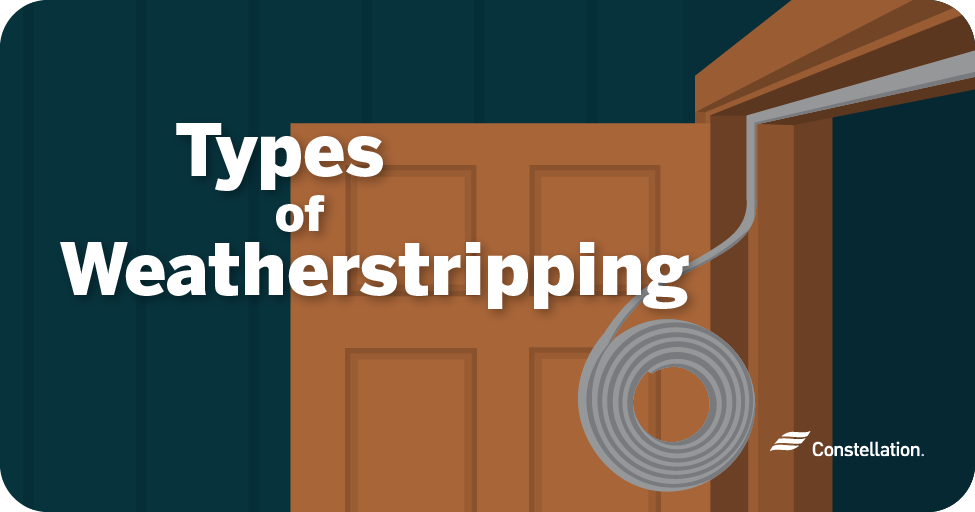
Hey there, friend! Ever feel a sneaky draft snaking its way under your door, even when it's firmly shut? Or maybe you hear the wind whistling a little too enthusiastically around the edges? Chances are, your weather stripping is waving the white flag. But don't worry, replacing it is totally doable, and even kinda...interesting! I mean, who knew there were so many types, right?
So, what exactly is weather stripping? Simply put, it's that squishy (or not-so-squishy) material that seals the gaps around your doors and windows. It's like the door's personal bouncer, keeping out the cold, the heat, the rain, and even those pesky little bugs. Think of it as the ultimate house hug, keeping all the good stuff in and all the bad stuff out.
Different Strokes for Different Doors: Weather Stripping Varieties
Now, let's dive into the fascinating world of weather stripping. There are a bunch of different types, each with its own strengths and weaknesses. Choosing the right one is key to keeping your home comfy and energy-efficient. It's like finding the perfect pair of shoes – you wouldn't wear flip-flops in the snow, would you?
Must Read
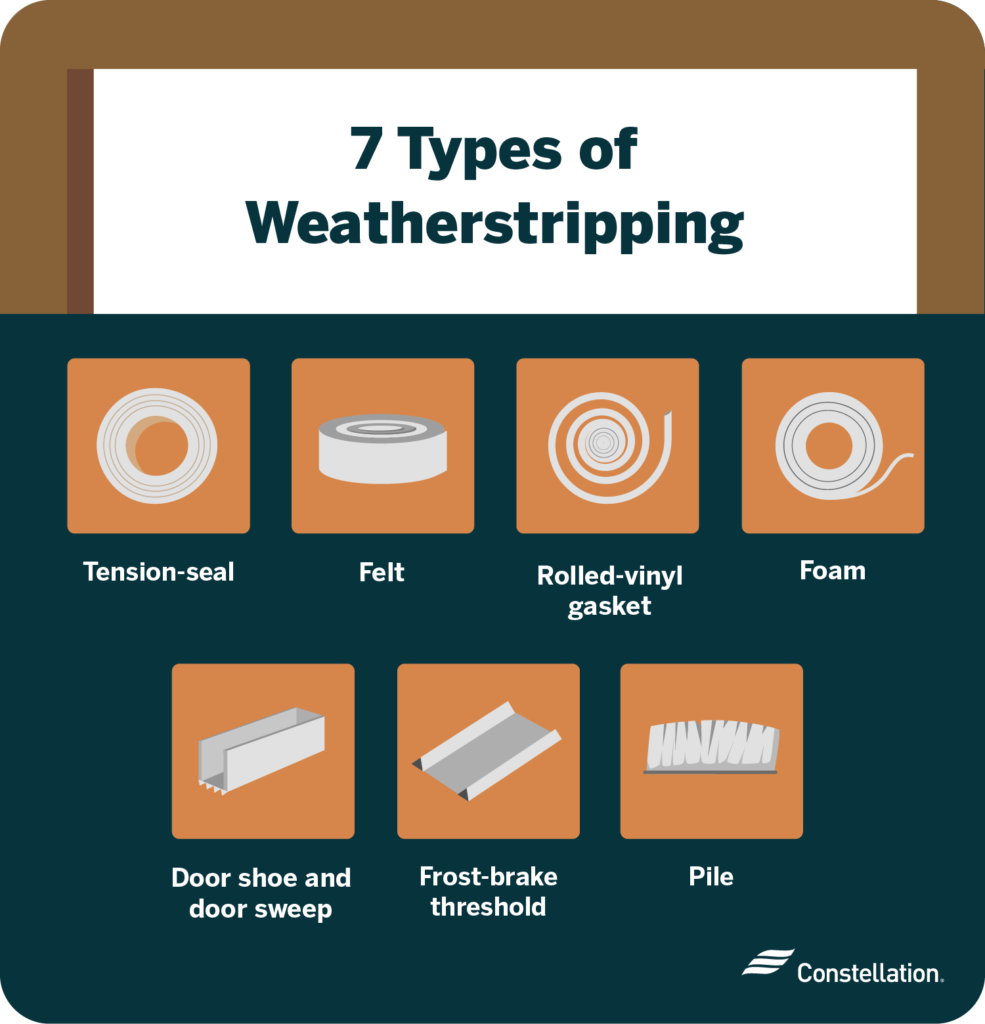
Felt Weather Stripping: The Classic, But Not Always the Best
This is probably the oldest and most basic type. It's usually made of, well, felt! It’s inexpensive and easy to install. However, it's not the most durable option. Think of it like a comfy old sweater – great for a little while, but it wears out pretty quickly and doesn't offer much protection in a downpour. It's best suited for doors that don't get a ton of use.
Foam Weather Stripping: Soft and Squishy, But Not Super Tough
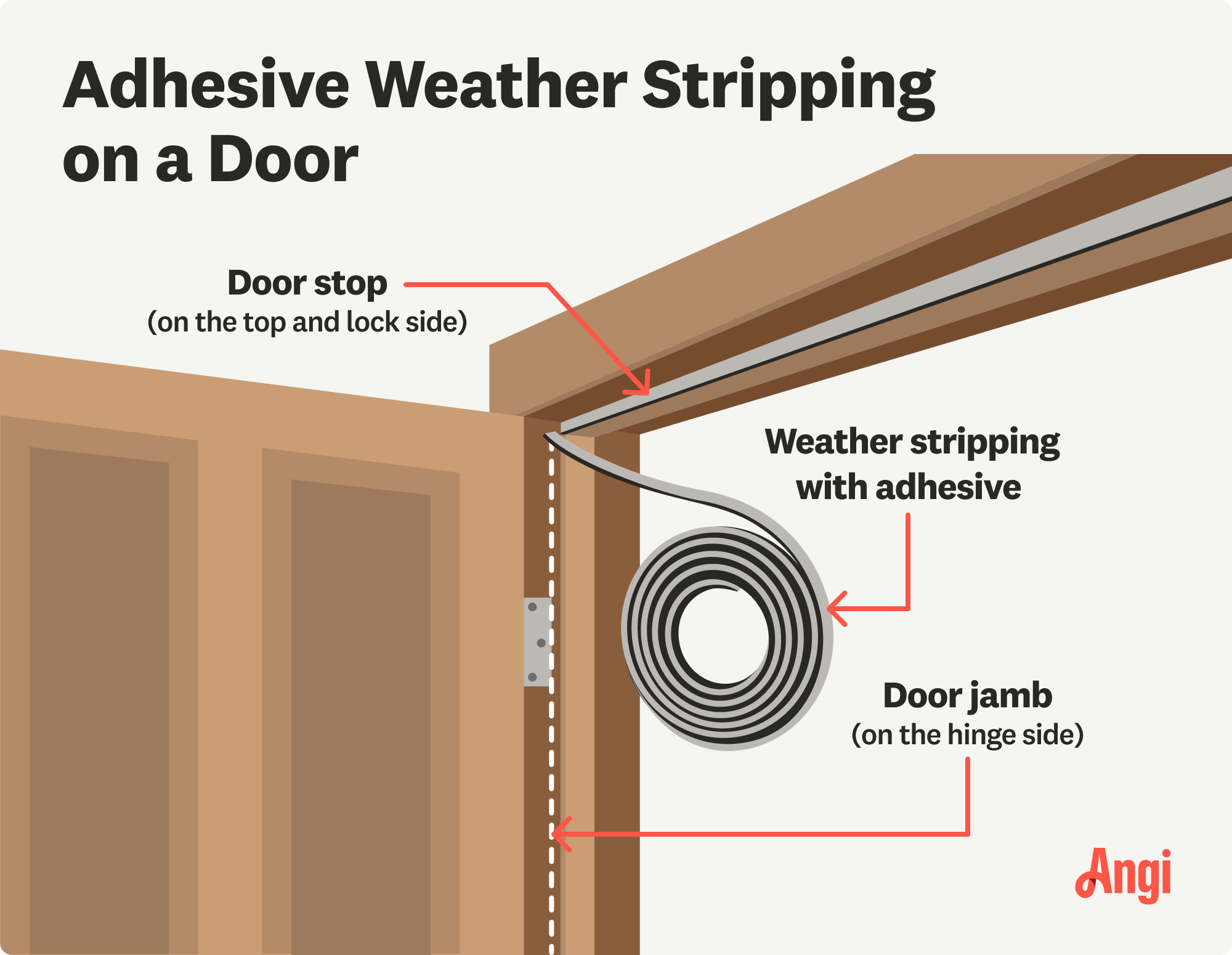
Foam stripping is another budget-friendly option. It comes in rolls with an adhesive backing, making it super easy to apply. Imagine it like memory foam – it compresses easily to fill gaps. But, like memory foam, it can lose its shape over time. It's good for sealing small gaps, but it might not hold up well in high-traffic areas or extreme weather. Think of it as a temporary fix, not a long-term solution.
V-Strip Weather Stripping: The Springy Seal
Also known as tension seal, this type is made of plastic or metal and is shaped like a "V". It works by creating a tight seal when the door presses against it. It’s quite durable and effective because of its springy nature. It's like a little trampoline for your door! V-strips are great for filling irregular gaps and can last for years. It can be slightly trickier to install, but the extra effort is usually worth it.
![Types of Weatherstripping for Doors [2025]](https://aprowin.com/wp-content/uploads/2024/12/Tubular-Rubber-and-Vinyl-Seals-Types-of-Weatherstripping-for-Doors.webp)
Magnetic Weather Stripping: For the Ultimate Seal
Ever noticed how tightly your fridge door seals? That's the power of magnets! Magnetic weather stripping works on the same principle. It's typically used on metal doors and provides an airtight seal. It’s super effective against drafts. It's the heavy-duty option, providing a very secure seal. It's like having a lock and key for your door, except it keeps out the weather instead of burglars.
Bulb Weather Stripping: A Hollow Hero
Bulb weather stripping, typically made of rubber or vinyl, features a hollow bulb shape that compresses to create a seal. This type is great for irregular surfaces and larger gaps because of it's flexible shape. It's like a big, squishy gummy bear hugging your door frame! It's durable and can withstand a lot of wear and tear.
Pile Weather Stripping: The Fuzzy Protector
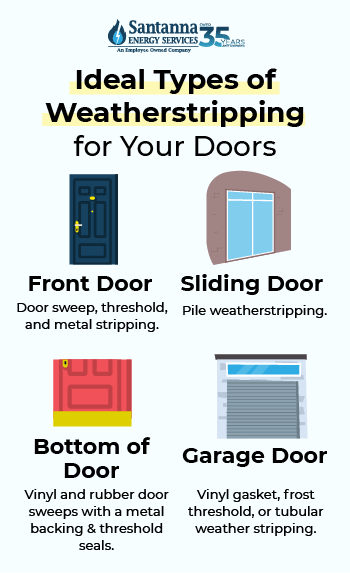
This type is made of a strip of fabric with dense fibers, similar to a brush. It's often used on sliding doors and windows. It's effective at blocking drafts and debris while allowing the door to slide smoothly. Think of it like a tiny, gentle broom that sweeps away any unwanted visitors. It's a great option for maintaining smooth operation while keeping the elements out.
Choosing the Right Weather Stripping: It’s All About the Fit
So, how do you choose the right weather stripping for your door? Consider these factors:
- The size of the gap: Measure the gap between your door and the frame. This will help you determine the thickness of weather stripping you need.
- The type of door: Different doors require different types of weather stripping. Sliding doors, for example, need something that won't impede their movement.
- Your budget: Weather stripping ranges in price from inexpensive felt to more costly magnetic options. Choose one that fits your budget and needs.
- Durability: If you live in an area with harsh weather, you'll want to choose a more durable option.
Replacing your weather stripping is a simple and affordable way to improve your home's energy efficiency and comfort. So, next time you feel a draft, don't just reach for a sweater. Take a look at your weather stripping and see if it's time for an upgrade. Your wallet (and your cozy toes) will thank you!
Ultimately, isn’t it kinda cool how something so simple can make such a big difference? Happy sealing!