Types Of Pollution In The Ocean
Hey there, ocean explorer! Ever think about the big blue, shimmering and mysterious? It’s magnificent, right? But sometimes, our amazing oceans get a bit of a rough deal. We’re talking about pollution. Now, before you groan and imagine doom and gloom, stick with me! Exploring the weird and wild ways our oceans get "messed up" is actually super fascinating. Seriously, it's like a bizarre mystery novel, but with more fish and less trench coats. Let’s dive in, no wetsuit required!
Plastic, Plastic Everywhere!
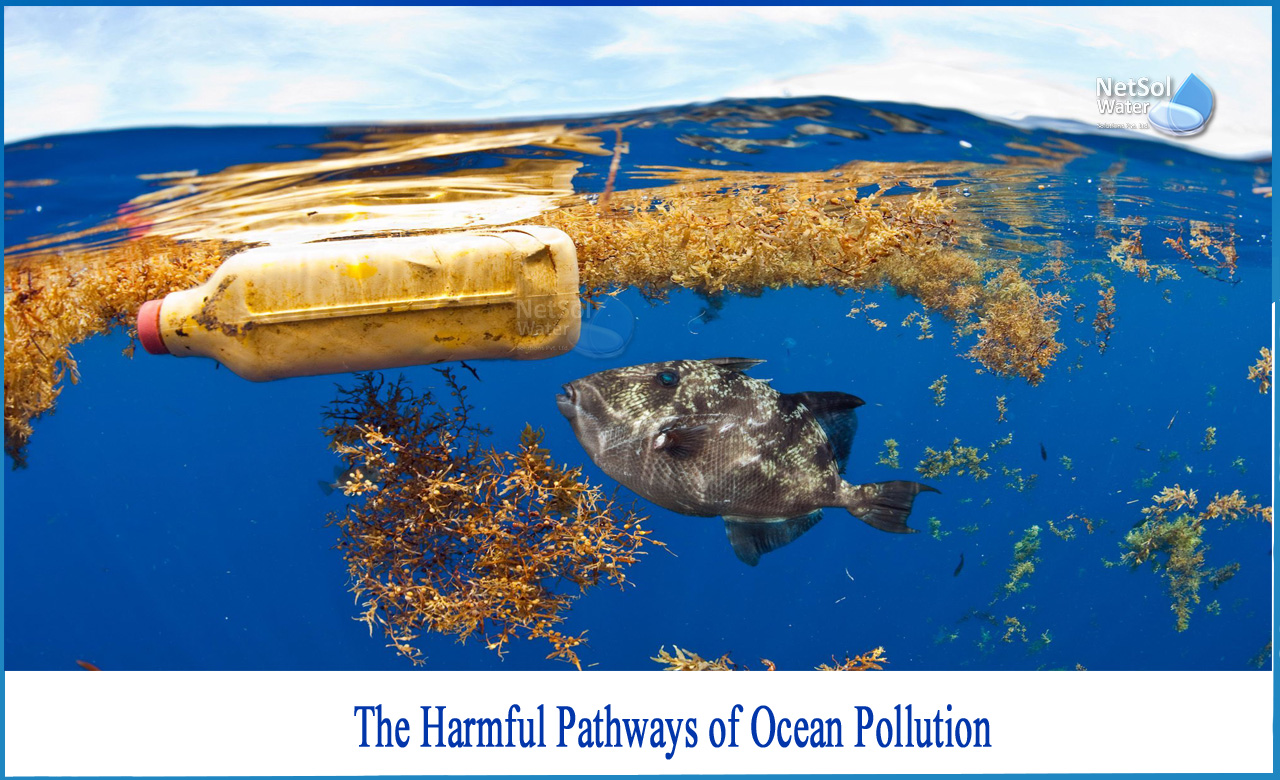
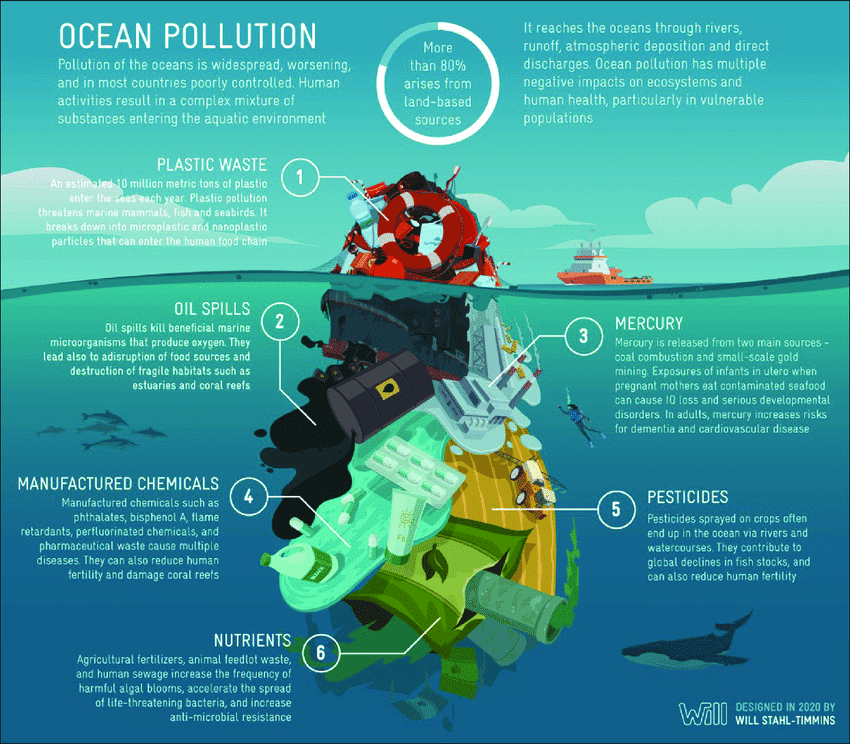
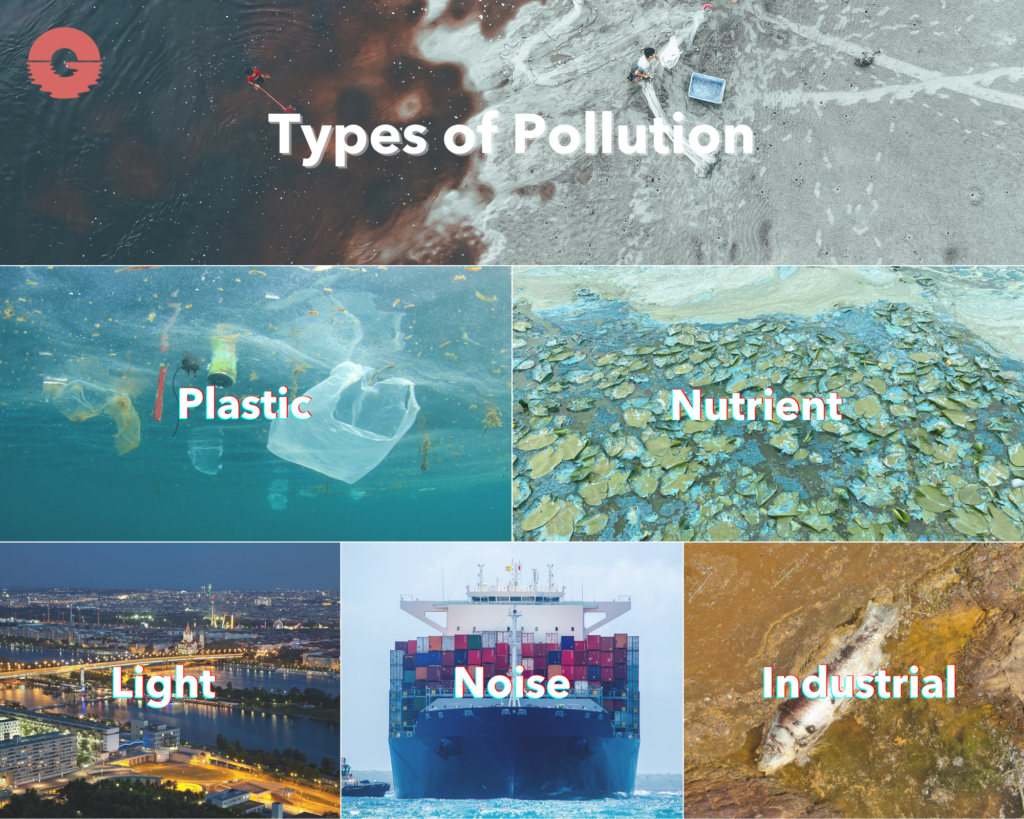
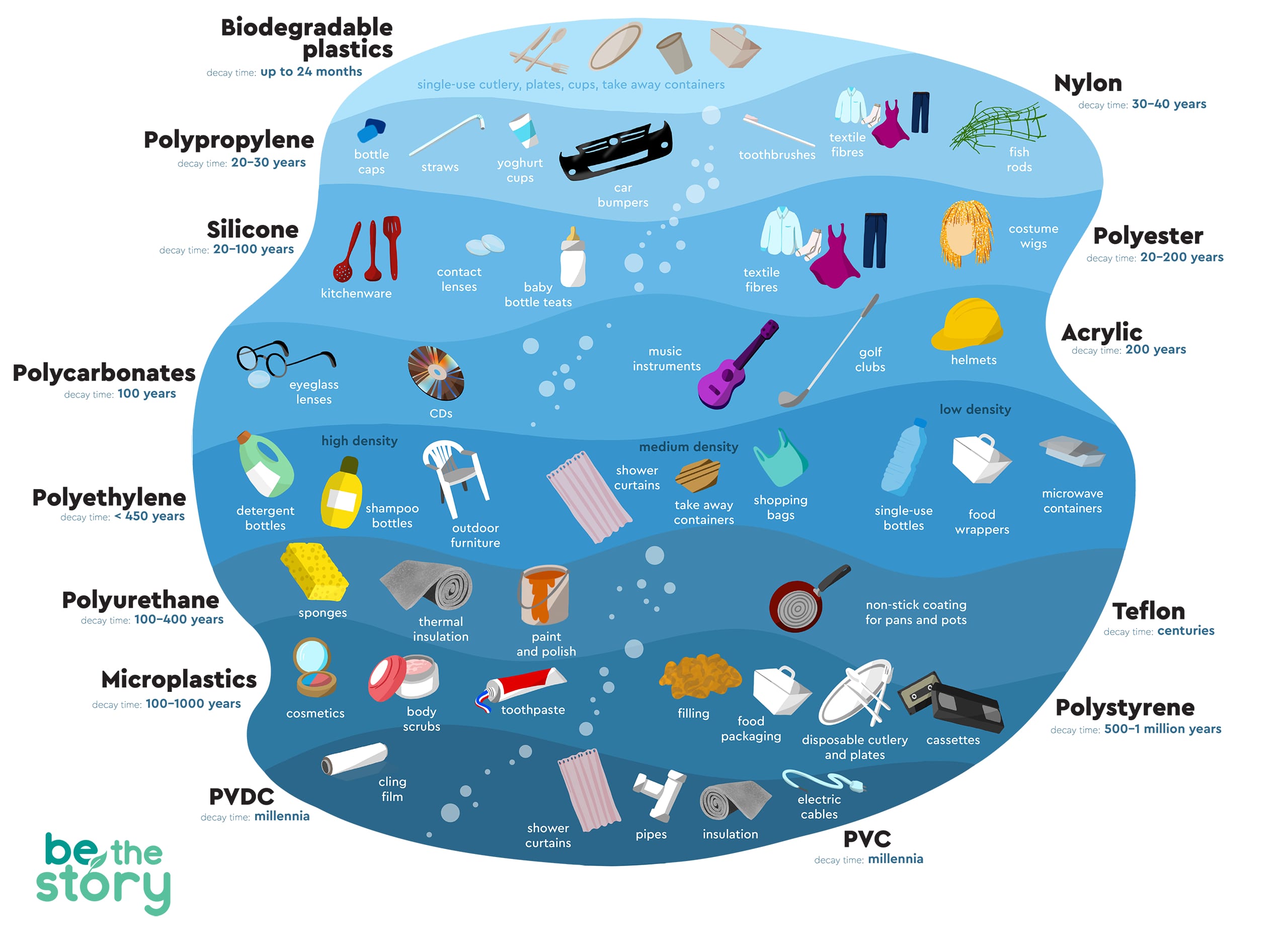
First up, the undisputed heavyweight champion of ocean polluters: plastic. You know it, you see it. But it's not just giant ghost nets snagging turtles. Oh no, it gets way weirder. Think of your sparkly clothes. Yep, those tiny fibers? They wash down the drain and become microplastics. Imagine eating a salad where every leaf is a tiny, invisible plastic shard. Yikes! These sneaky bits are everywhere, from the deepest trenches to the bellies of whales. It’s a bizarre plastic soup out there. And guess what? Plastic never truly disappears; it just breaks down into smaller and smaller pieces. It’s like the ultimate unwelcome house guest!
Chemical Cocktails and Toxic Teas
Next on our quirky list: chemical pollution. This stuff is often invisible, which makes it extra sneaky! Think about runoff from farms – fertilizers, pesticides, all that jazz – washing into rivers, then into the ocean. It’s like the ocean is trying to run a massive detox, but we keep adding to its cocktail. Industries also release all sorts of strange concoctions. We’re talking heavy metals, industrial solvents. These can create scary "dead zones" where nothing can really live. It’s like the ocean threw a party and everyone got a toxic hangover!
Must Read
The Ocean's Noisy Neighbors
Ready for a truly wild one? Noise pollution! Bet you didn't see that coming. Our oceans aren't just quiet, serene places; they're bustling soundscapes. Whales, dolphins, and countless other critters use sound for pretty much everything – finding food, communicating, even finding dates! But then we come along with our giant ships, seismic surveys for oil, and super-loud sonar. It's like having a constant, ear-splitting construction site right outside your window, all the time! Poor whales are probably just trying to send a text, and they can't hear a thing over the racket. Imagine trying to chat up someone at a rock concert. It’s disorienting, and frankly, a bit rude!

Oily Oofs! Spills and Sludge
Okay, this one is a classic villain: oil spills. Big, dramatic, and incredibly messy. When an oil tanker springs a leak or an offshore rig has a hiccup, it's like spilling a giant, sticky, black milkshake all over the ocean. And it doesn’t just stay put. It spreads into shimmering slicks, coats everything in its path, from seabirds to sandy beaches. Cleaning it up is a monumental task, often involving giant absorbent pads or even trying to burn it off (which has its own problems!). It’s like trying to get glitter out of a shag carpet, but on a global scale. A sticky, goopy, unfortunate mess!
Nutrient Overload: Algae's Green Glow Up
This sounds innocent, right? Nutrient pollution. It's when too much of a good thing enters the ocean. Again, often from farm runoff (think fertilizers) or even wastewater. It’s like giving your houseplant so much food it explodes. In the ocean, these extra nutrients cause algae to go wild, having a massive population boom. These are often called "red tides" or "algae blooms," and while some might look pretty, they suck up all the oxygen when they decompose, leaving behind huge "dead zones." It’s like the ocean's version of a bad food coma, but with way more green slime!
Thermal Troubles: The Ocean's Hot Tub
Here’s another sneaky one: thermal pollution. Sounds cozy, like a warm bath, right? Not for our fishy friends! Power plants and industrial facilities often use ocean water to cool their systems. Then, they pump that warmer water back into the ocean. This creates localized areas of warmer water. While a hot tub might be nice for us, many marine creatures are super sensitive to temperature changes. A few degrees can disrupt entire ecosystems, mess with breeding cycles, and stress out cold-water species. It’s like constantly being stuck in a lukewarm sauna when all you want is a refreshing dip!
So, you see? The types of pollution aren't just sad stories. They’re wild, weird, and often surprisingly intricate tales about how our world works – and sometimes, how it doesn’t. It’s super fun to peek behind the curtain and understand these quirky phenomena. It makes you think differently about that plastic bottle or even that garden fertilizer, doesn't it? Our big, blue ocean is always full of surprises, even the not-so-great ones. And learning about them is just another way to appreciate its magnificent, sometimes bewildering, complexity!