Turning Off Electric Water Heater When Not In Use
Ever wonder about the unsung hero humming away in your basement or closet? We're talking about your electric water heater! It diligently provides hot water for showers, dishwashing, and laundry, but it's also a constant energy drain. In a world where we're all trying to be a little more eco-conscious and save a few bucks, the question of whether to turn off your electric water heater when not in use is surprisingly relevant and, dare we say, a little bit fun to explore.
So, what's the purpose of even considering this? Simply put, turning off your electric water heater, or at least lowering its temperature, when you don't need hot water, can significantly reduce your energy consumption. The benefit is twofold: you'll lower your electricity bill and decrease your carbon footprint. Think of it like leaving a light on in a room you're not using – it's just wasteful. Your water heater continuously heats water to maintain a set temperature, even if you're on vacation or just out for the day. That constant heating sucks up energy and money.
Where might you see this concept in action? In educational settings, some schools are incorporating energy efficiency lessons into their curriculum. Students might learn about the standby heat loss of water heaters and calculate potential savings from adjusting the temperature or turning them off during school breaks. In daily life, you might hear a friend bragging about how much money they've saved by turning off their water heater before going on a two-week vacation. Or perhaps you've noticed that newer, "smart" water heaters have settings that automatically adjust the temperature based on usage patterns – a clever way to automate energy savings.
Must Read
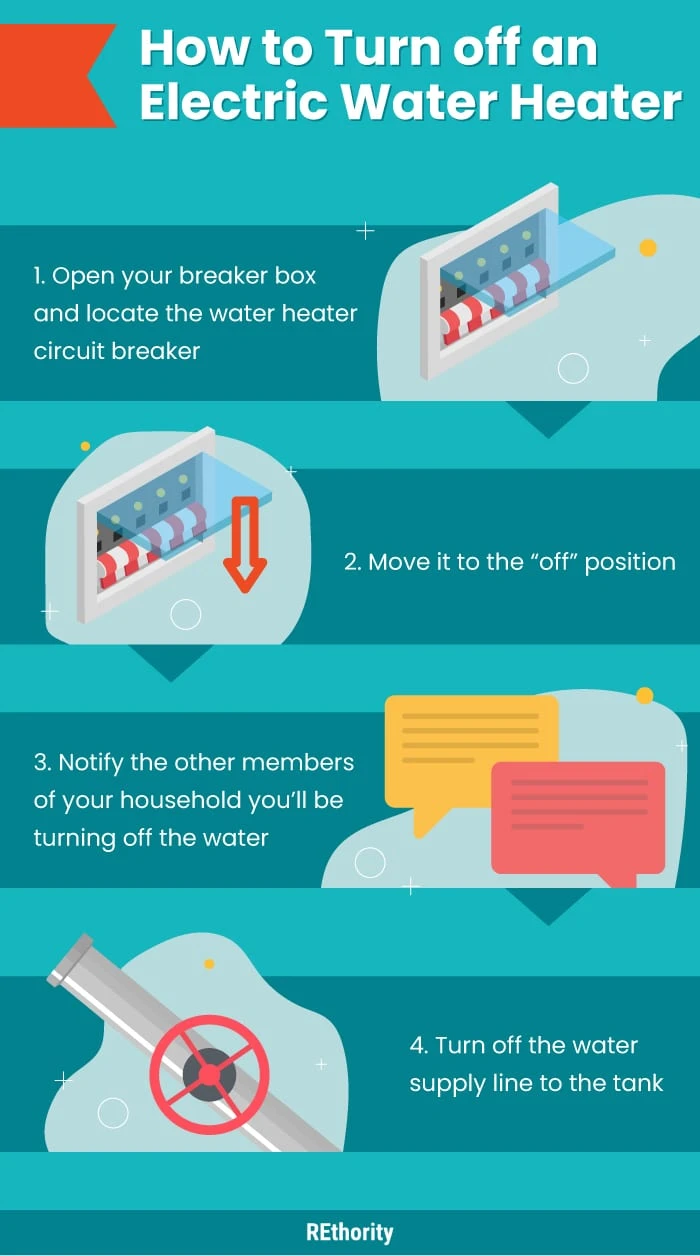
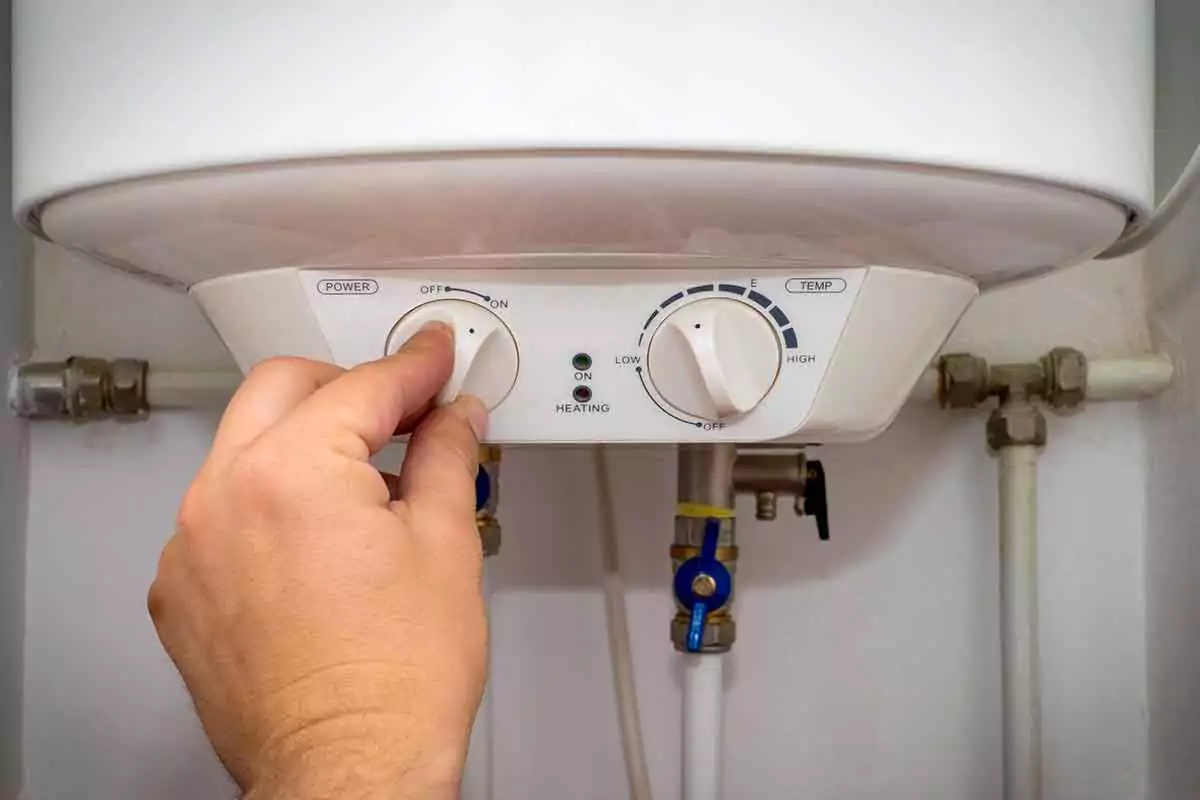
Ready to experiment? Here are a few practical tips to get you started: First, locate your electric water heater and identify the on/off switch or breaker. Before flipping anything, read the manufacturer's instructions or search online for information specific to your model. A simple test is to turn it off before a weekend trip. When you return, note how long it takes to reheat the water and compare your electricity bill for that month to previous months. Another option is to simply lower the thermostat setting on your water heater. Many experts recommend 120°F (49°C) as a safe and efficient temperature. You can use a thermometer to test the water temperature at a faucet after running hot water for a few minutes to ensure it's within the desired range.
Important note: If you have an older water heater or live in an area with hard water, turning it off frequently could potentially lead to sediment buildup or corrosion. Consult a plumber or water heater specialist if you have concerns. Furthermore, if you are frequently using hot water throughout the day (multiple loads of laundry, large family, etc.) the energy saved may be minimal as the unit will be working overtime to reheat water more frequently.
Ultimately, the decision of whether to turn off your electric water heater depends on your individual circumstances and lifestyle. But by understanding the principles involved and experimenting with different approaches, you can make informed choices that benefit both your wallet and the environment.