
Trade With The Pros Cost Per Month

Ever dreamt of sneaking a peek at what the Wall Street big shots are doing with their money? Imagine peering over their shoulders, not to steal their secrets (that’s illegal, kids!), but to maybe, just maybe, learn a thing or two. That's where the idea of "Trade With The Pros" comes in, and it all boils down to a simple question: what's the cost per month for such insider access?
The Allure of Trading Like a Titan
Let's face it, watching seasoned investors can feel like watching a magician. They wave their hands, numbers flash, and poof! Suddenly, they've conjured up a profit. We see the flashy cars and fancy lifestyles, and think, "I want a piece of that!" But can you actually learn to trade like them, and at what price?
The appeal is obvious. Who wouldn’t want to mimic the moves of someone who (presumably) knows what they’re doing? Think of it like learning to cook. You could blindly follow a recipe, or you could watch a Michelin-star chef in action and pick up their subtle techniques. Which do you think would yield better results?
Must Read
Demystifying the "Trade With The Pros" Concept
So, what is "Trade With The Pros" anyway? It's essentially a service, or a set of services, that aims to connect everyday investors with the strategies and decisions of experienced traders. This can take many forms, from subscription-based newsletters that reveal real-time trades to online courses taught by former hedge fund managers. It’s like having a mentor, but one you (mostly) only interact with digitally.
The core idea is that by observing and potentially mirroring the actions of successful traders, you can improve your own trading skills and, hopefully, your investment returns. It's a shortcut, of sorts, to years of experience.
The Price Tag: A Spectrum of Options
Now, for the juicy part: the cost. "Trade With The Pros" isn't a one-size-fits-all product. The price varies wildly depending on the level of access and the expertise of the "pro" in question. You could be looking at a few bucks a month, or hundreds (or even thousands!) for a truly premium service.
Think of it like choosing a gym membership. You can opt for the basic package with access to weights and treadmills, or you can go all-in with personal training, fancy classes, and a smoothie bar. The cost reflects the level of support and resources you receive.

Free (ish) Options: Dipping Your Toes In
Believe it or not, some "Trade With The Pros" options are practically free. Many platforms offer limited access to expert insights as a way to attract new users. This might include a weekly newsletter with market analysis or a free webinar on a specific trading strategy.
These freebies can be a great way to get a feel for a particular platform or trading style before committing to a paid subscription. Just remember, you usually get what you pay for. Free advice is often general and may not be tailored to your specific needs or risk tolerance. It's like getting a free sample at the grocery store – enough to pique your interest, but not enough for a full meal.
The Budget-Friendly Route: Subscriptions and Newsletters
For those willing to spend a little, but not break the bank, subscription-based services are a popular option. These often involve a monthly or annual fee for access to a trader's portfolio, trade alerts, and educational materials. The price can range from a few dollars to a few hundred dollars per month.
The key here is to do your research and find a service that aligns with your investment goals and risk tolerance. Read reviews, check the trader's track record, and make sure you understand the terms of the subscription before signing up. Think of it like online dating – you wouldn't commit to a relationship without knowing something about the other person, right? Trading is the same! Due diligence is key.
The Premium Experience: High-End Coaching and Masterminds
At the top end of the spectrum are premium "Trade With The Pros" services that offer personalized coaching, access to exclusive trading communities, and even one-on-one mentorship. These services can cost hundreds or even thousands of dollars per month, putting them out of reach for many everyday investors.
These high-end options are often geared towards experienced traders who are looking to take their skills to the next level. They're like hiring a personal trainer for your investments. You get individualized attention and guidance, but you also pay a premium for it. Make sure you have the financial resources to cover the costs and are ready for the time commitment involved to make good use of such programs.
Beware the Gurus: Red Flags to Watch Out For
While the idea of trading alongside the pros is appealing, it's important to be aware of the potential pitfalls. Not all "trading gurus" are created equal. Some are genuinely skilled and knowledgeable, while others are simply trying to make a quick buck by selling snake oil.
Be wary of anyone who promises guaranteed profits or claims to have a foolproof trading system. Trading involves risk, and there are no guarantees. If it sounds too good to be true, it probably is. Trust your gut. Beware of shiny objects!
Red Flags: Overpromises and Under-Delivery
Here are some red flags to watch out for: claims of unrealistic returns, lack of transparency about trading strategies, pressure to sign up quickly, and a general lack of verifiable credentials. A reputable trading professional will be transparent about their methods and willing to share their track record.

Don't be afraid to ask questions and do your own research. Check the trader's background, read reviews from other users, and make sure you understand the risks involved before handing over your money. It's like buying a used car – you wouldn't buy one without taking it for a test drive and getting it inspected, would you?
The Hidden Costs: More Than Just the Monthly Fee
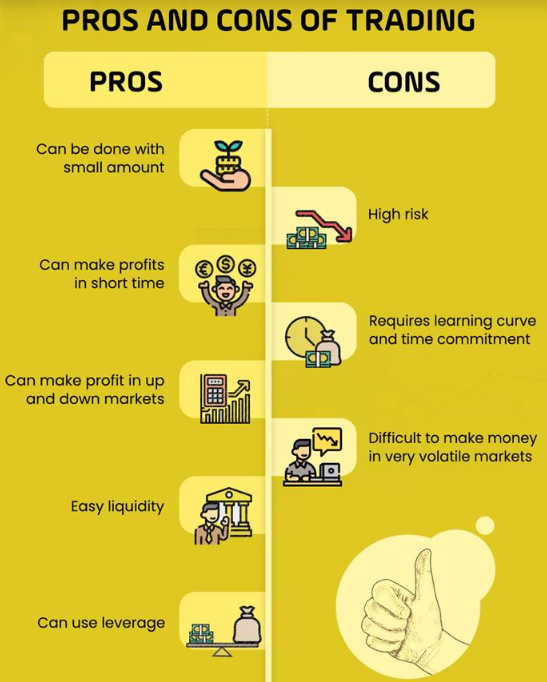
When calculating the true cost of "Trade With The Pros," it's important to consider the hidden expenses. The monthly fee is just the tip of the iceberg. There are also trading fees, taxes, and the potential for losses.
Trading fees can eat into your profits, especially if you're making frequent trades. And don't forget about taxes! You'll need to pay taxes on any profits you earn from trading, which can significantly reduce your net return. And, of course, there's the risk of losing money. Even the most skilled traders experience losses from time to time.
Opportunity Cost: Time is Money
Another hidden cost is the opportunity cost of your time. Following a trader's recommendations takes time and effort. You need to monitor their trades, research the underlying assets, and make your own decisions about whether to follow their advice. This can be time-consuming, especially if you have a full-time job or other commitments.
Ask yourself: Is the potential return worth the time and effort involved? Could you be using that time to pursue other, more profitable opportunities? Think about it – time is a valuable resource! It is the only limited asset that you have in the world, you can earn back all other loses, but the lost time is forever. Time is money, as they say.
Is "Trade With The Pros" Right For You?
Ultimately, the decision of whether or not to "Trade With The Pros" is a personal one. There's no right or wrong answer. It depends on your individual circumstances, your financial goals, and your risk tolerance.
If you're a beginner investor with limited capital, you might be better off starting with a low-cost index fund or a robo-advisor. These options are more diversified and less risky than following individual traders. Learning the basics of investing is always a good place to start. A strong foundation makes you less prone to fall.
A Word of Caution: Don't Abandon Your Own Judgement
Even if you decide to "Trade With The Pros," it's important to remember that you're still responsible for your own investment decisions. Don't blindly follow anyone's advice. Do your own research and make sure you understand the risks involved before investing your money. Remember, it's your money, and your future.
Think of it like learning to drive. You might take lessons from an instructor, but ultimately, you're the one behind the wheel. And if the instructor tells you to drive off a cliff, you're probably not going to do it (hopefully!). Always trust your instincts! Trading is much the same – take advice, learn from the masters, but ultimately, it is always your choice. Choose wisely!