
To Verify An Electrically Safe Work Condition Except

Okay, picture this: you're about to change a lightbulb. Seems simple, right? But before you even think about touching that socket, you gotta make sure things are safe. Electrically safe, that is.
There's a whole checklist of things you do to confirm that you're not about to become a human lightning rod. But, there's always that one "except" hanging around like a persistent housefly. Annoying, but crucial.
First, we confidently declare the circuit is de-energized. Switches flipped, breakers off, power clearly...gone! We use a reliable tester, the kind that beeps and flashes like a tiny, excited robot, to verify. We’re golden, right?
Must Read
Except...what if the tester itself is faulty? What if its batteries died during its last courageous battle against phantom voltage? Now that’s a plot twist!
The Dreaded "Except"
Here it comes: the caveat, the asterisk, the “but wait, there's more!” The "except" is like that friend who always has a counter-argument, even when you're 100% sure you're right.
This particular "except" hinges on the reliability of your testing equipment. You can confidently shut off a breaker, wave your fancy voltage detector around, and proudly announce "All clear!" But what if your detector is lying?
Imagine a scene: a seasoned electrician, Bob, is called to fix a mysterious outage. Bob, armed with years of experience and his trusty voltage tester, approaches the panel with the confidence of a lion. Breaker off, tester beeping reassuringly, he begins his work.

Suddenly, sparks! Bob leaps back, narrowly avoiding a singed mustache. Turns out, the tester’s battery was flatter than a pancake after a steamroller convention. The circuit was still live! Humiliated, Bob mutters about trusting machines and vows to always double-check with a second tester.
The Three-Point Tango of Safety
So, how do you avoid the “Bob and the Singed Mustache” scenario? It's a three-step dance: test, verify, test again. Yes, it sounds repetitive, but redundancy is your friend.
First, test a known live circuit to confirm your tester actually works. Then, test the circuit you want to work on to confirm it is de-energized. And finally, test that known live circuit again to make sure your tester is still operational.
Think of it like a trust exercise, but instead of falling into someone's arms, you're trusting a piece of plastic and some batteries to save you from electrocution. Do you want to trust a faulty piece of equipment with your life? Not recommended!

The Tale of the Talking Multimeter
My uncle, a man who talks to his tools (don’t judge!), once swore his multimeter started talking back to him. He claimed it would whisper warnings about impending surges. Now, I’m not sure if it was the fumes from the soldering iron or a genuine electrical miracle, but he took those whispers seriously.
He'd test, verify, then mumble to the meter, "You sure about this, pal?" If the meter remained silent, he'd proceed cautiously. If it gave him "the vibe" (his words, not mine), he'd re-check everything. Maybe the talking meter was just a quirky old man thing, but it kept him safe.
The moral? Trust your gut. If something feels off, even if your tester says it’s safe, investigate further. Don't be afraid to be a little paranoid when electricity is involved. A healthy dose of skepticism can save your life.
The "Except" That Keeps on Giving
The "except" isn't just about faulty equipment. It's also about the unexpected. Maybe someone upstream accidentally re-energized the circuit. Maybe there's a backfeed from a generator you didn't know about. Maybe a squirrel got a little too curious and created a bypass.
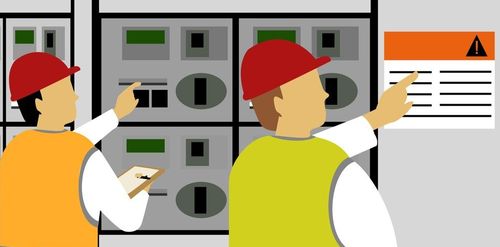
Electricity, like water, finds the path of least resistance. And sometimes, that path leads right through you! That's why the "except" is so important. It forces you to consider all the possibilities, to think outside the box (or the electrical panel, in this case).
Remember the story of the power outage at the hospital? The backup generator kicked in as expected, but a faulty transfer switch created a situation where some circuits were live and some were supposedly dead. A technician, relying solely on his initial test, nearly became part of the circuit.
When Doubt is Your Best Friend
The best way to handle the "except" is to embrace doubt. Don't assume anything. Question everything. Verify, verify, verify. And when in doubt, call a qualified electrician. It's better to be safe than sorry (and slightly singed).
Imagine a superhero whose only power is extreme caution. They move slowly, double-check everything, and never take risks. That's the kind of attitude you need when working with electricity. You're not trying to be a hero; you're trying to stay alive.
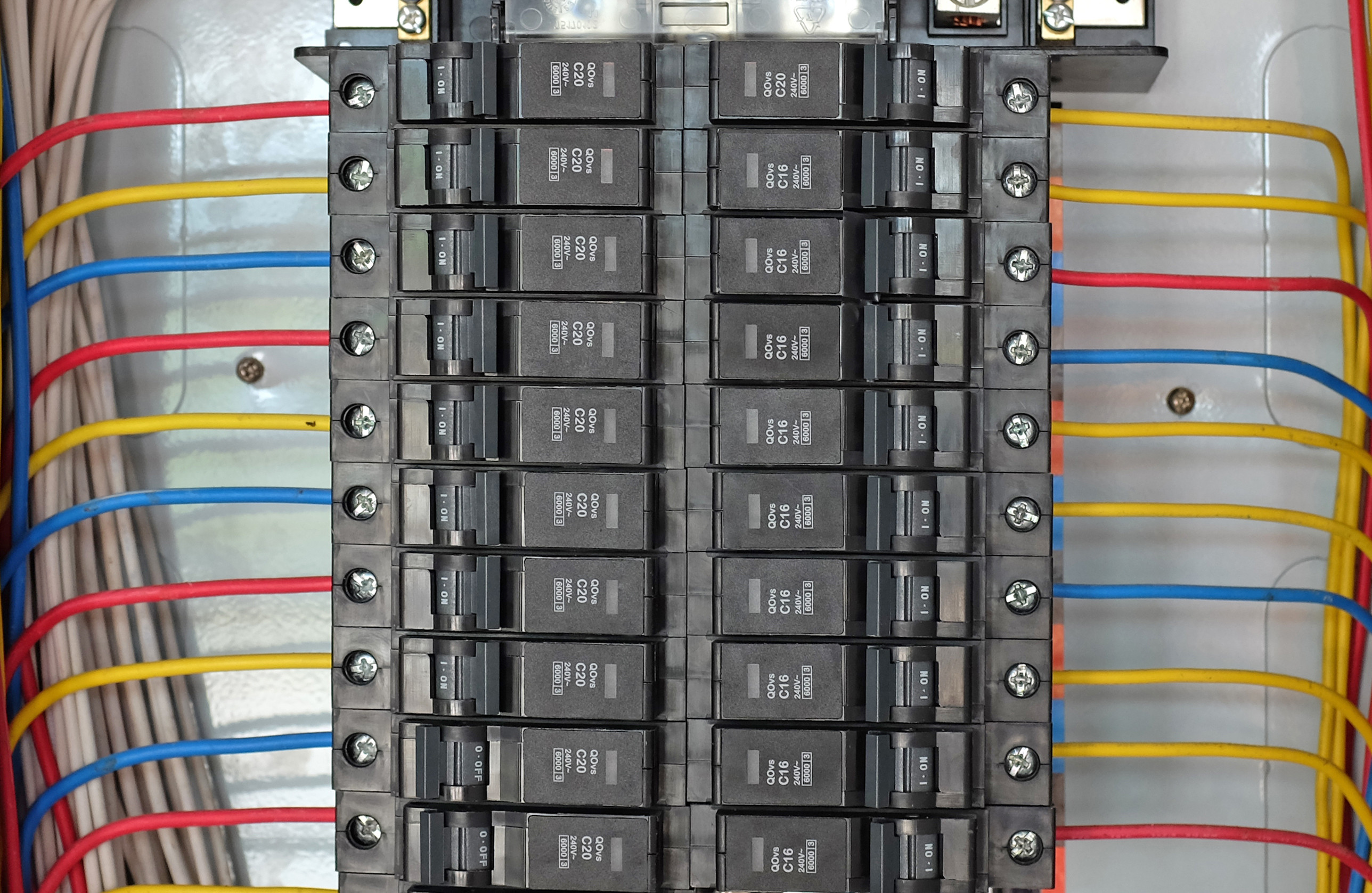
So, the next time you're about to tackle an electrical task, remember the "except." Remember Bob and his singed mustache. Remember my uncle and his talking multimeter. And remember that electricity is a powerful force that deserves respect (and a healthy dose of paranoia).
Turning the Tables on the "Except"
Instead of viewing the "except" as an annoying obstacle, see it as a challenge. A chance to be thorough, to be diligent, to be a safety superstar. Embrace the "except," and you'll be well on your way to a shocking-free life (pun intended!).
We can treat the "except" as a moment for one more check and ensure we're not putting ourselves in danger. We are going home in one piece after doing a great job.
So the next time you are dealing with electricity remember that it's not just about knowing what to do, it's also about knowing what not to do, and always accounting for the dreaded, but ultimately helpful, "except."