Tig Welding With A Mig Welder

Ever looked at those impossibly neat, almost artistic welds and thought, "I could never do that without a fancy TIG machine"? Well, dear creative soul, get ready for a delightful surprise! There's a brilliant, budget-friendly hack gaining traction among metal artists and hobbyists: TIG welding with your humble MIG welder. It's not quite the full-blown TIG experience, but it’s an ingenious way to coax finer, more controlled welds out of your existing equipment, unlocking a whole new world of metal artistry and precision.
This clever technique is perfect for anyone who wants to dip their toes into the elegant world of TIG welding without committing to the significant investment of a dedicated machine. For artists, it’s a game-changer, allowing for more intricate details and cleaner finishes on metal sculptures, decorative pieces, or even custom furniture. Hobbyists will love the expanded capabilities for delicate repairs on thin sheet metal, custom automotive parts, or detailed fabrication projects. And for the casual learner, it’s an accessible gateway to understanding the principles of TIG, building torch control, and mastering filler rod manipulation – all essential skills that translate beautifully should you ever upgrade to a dedicated TIG setup.
Imagine the possibilities! You could craft delicate metal flowers with impossibly thin petals, weld intricate joints for a bespoke bicycle frame restoration, or create custom, artistic exhaust tips that really stand out. Picture sculptural pieces where the welds themselves are part of the aesthetic, blending seamlessly or forming subtle, artistic seams. From repairing a cracked exhaust manifold on an antique motorcycle to fabricating a unique garden ornament, this method allows for a level of finesse that traditional MIG welding often can't achieve, especially on thinner materials like stainless steel or mild steel.
Must Read
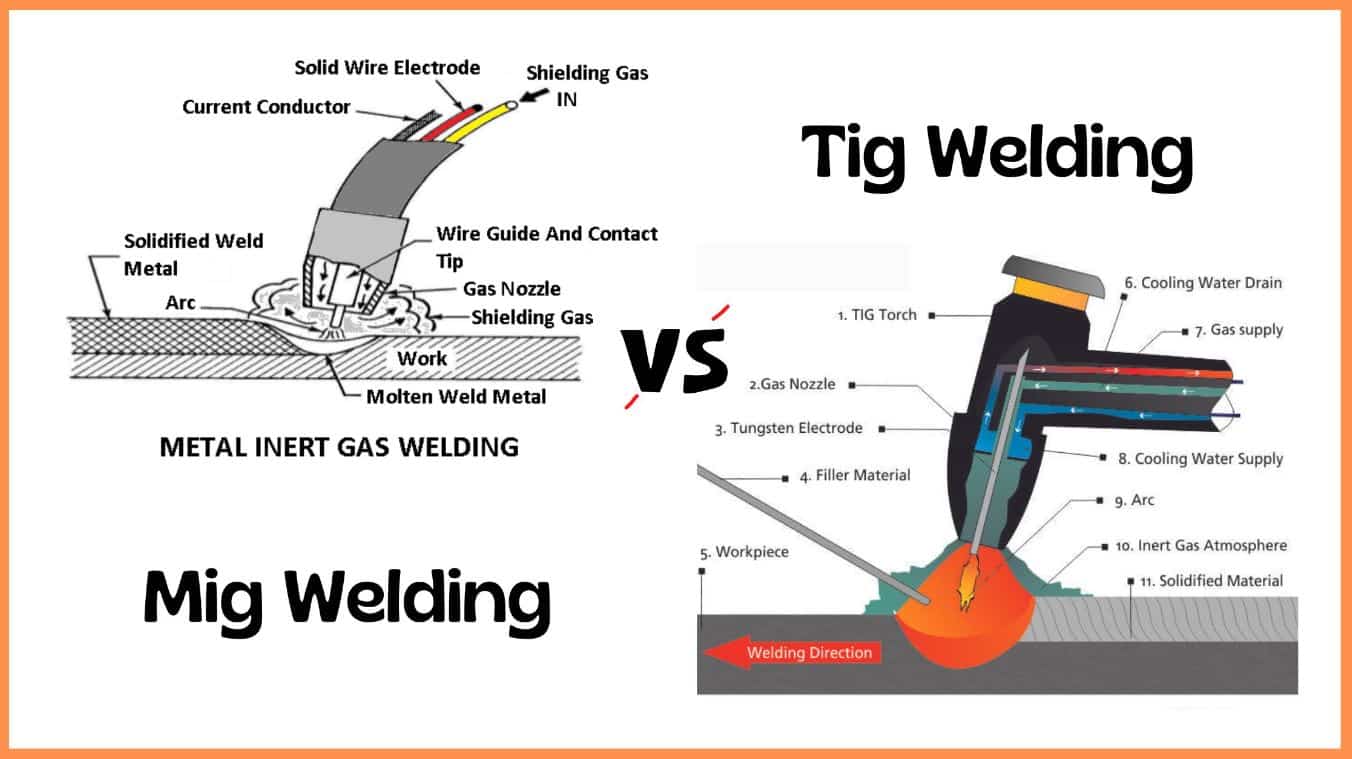
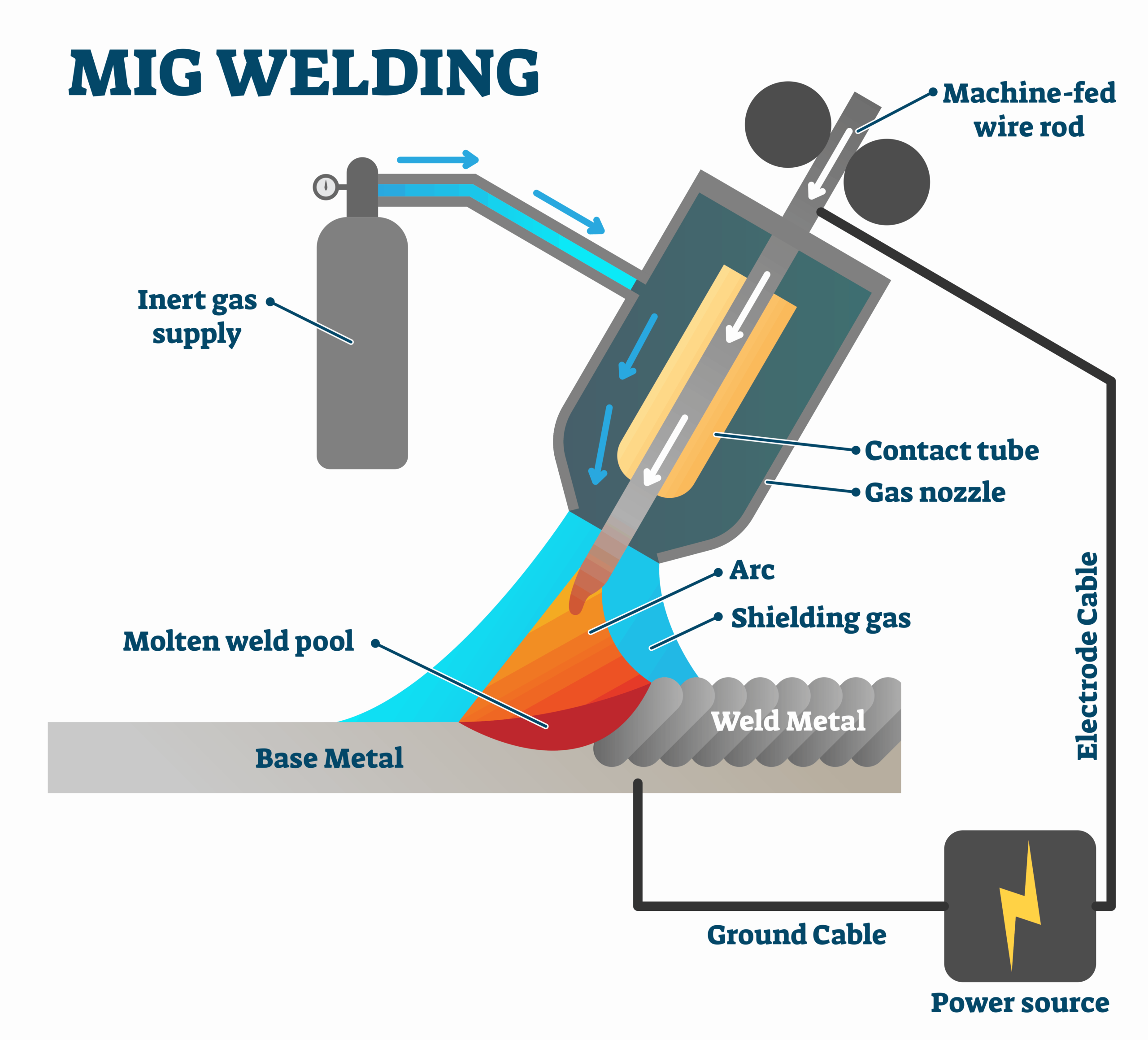
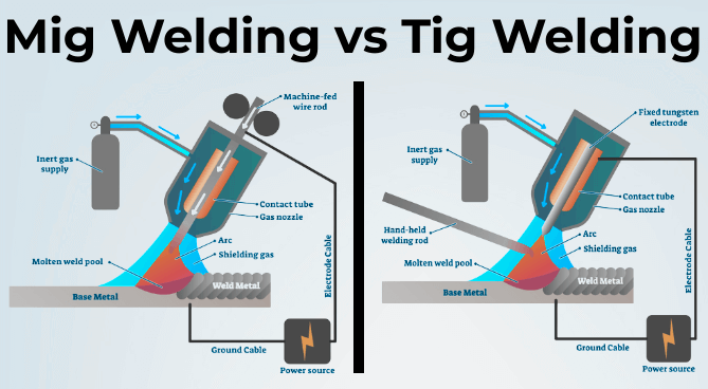
Ready to give it a whirl at home? Here are a few essential tips. First and foremost, safety is paramount. Always wear proper personal protective equipment: a good auto-darkening welding helmet, heavy-duty gloves, and flame-retardant clothing. To get started, you'll generally need to convert your MIG machine's output. This often involves disconnecting your MIG gun and wire, then connecting a scratch-start TIG torch (which has its own gas valve) to the positive terminal and your work clamp to the negative terminal (DCEN is usually preferred for steel). You’ll also need a cylinder of 100% Argon gas, a suitable tungsten electrode, and a filler rod. Remember, your MIG is a constant voltage machine, so it won't offer the fine current control of a true TIG, but you can adjust your voltage settings on the MIG to approximate suitable amperage. Start with thin, clean metal and practice your torch angle, arc length, and filler rod feeding. It will take patience, but the learning curve is incredibly rewarding!
Ultimately, the joy of TIG welding with a MIG machine lies in its spirit of ingenuity and resourcefulness. There's immense satisfaction in pushing your tools beyond their intended limits and discovering new ways to create. It’s an empowering journey that combines technical challenge with artistic expression, leaving you with not just a beautifully welded piece, but also the fantastic feeling of having mastered something truly cool.