Tig Welding Stainless Steel Gas
Alright, gather 'round, folks! Pull up a virtual chair, maybe grab a coffee that’s only slightly less dramatic than what we're about to talk about. Because today, we're diving headfirst into the mesmerizing, occasionally maddening, but always magnificent world of TIG welding stainless steel gas. And no, that's not a secret ingredient for a new type of fancy artisanal sparkling water. It's how you make metal sing!
If other welding processes are like, say, finger painting (MIG) or scribbling with a crayon (Stick), then TIG welding is the meticulous, delicate ballet of the metal fabrication world. It’s where precision meets power, and patience is definitely a virtue, especially when you’re dealing with something as notoriously particular as stainless steel.
Why Stainless Steel Decided to Be So Extra
Stainless steel. Ah, the diva of metals! We love it for its shiny good looks, its amazing corrosion resistance (hello, kitchen sinks and fancy exhaust pipes!), and its general air of sophistication. But try to weld it, and it suddenly remembers it has "standards." It heats up quickly, distorts easily, and is prone to getting cranky if you don't treat it just right. It's basically the high-maintenance supermodel of the metal world. And we, the welders, are its humble, often frustrated, stylists.
Must Read
The Mighty, Invisible Argon Shield
Now, about that "gas" part. We're not talking about your Uncle Barry after a chili cook-off, thankfully. We're talking about shielding gas, and for TIG welding stainless, our superstar is usually pure Argon. Imagine Argon as the metal's personal bodyguard. When you heat up metal to liquid form, it gets super vulnerable to oxygen and other nasty stuff in the air. These airborne troublemakers love to crash the party, causing porosity (tiny holes that weaken the weld) and general ugly messiness.
Argon, being an inert gas (meaning it doesn't want to react with anything, kind of like that one friend who just observes at parties), creates an invisible bubble of protection around your molten weld pool. It swoops in, shoves oxygen out of the way, and ensures your weld stays clean, strong, and beautiful. Without it, your weld would look like a cat coughed up a hairball. Trust me, you don't want that.

Your TIG Setup: A Conductor's Baton and a Third Hand
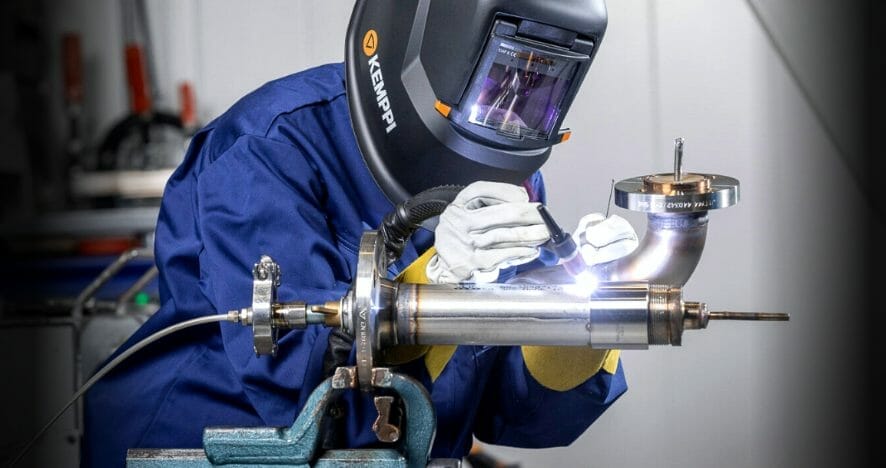
So, you're ready to conduct your metal symphony. Your TIG torch, with its pointy tungsten electrode (which doesn't melt, thank goodness, or you'd be buying them by the dozen), is your conductor's baton. You'll be using a foot pedal (or a thumb control, if you're feeling fancy) to control your amperage, which is like the volume knob for your arc. Too much, and you're blowing holes; too little, and you're just tickling the metal.
Then there's the filler rod. This is your artistic medium, the metal you're melting into the joint. It's like trying to draw a perfect line while simultaneously stirring your coffee with your other hand, all while pressing a button with your foot. It requires a level of coordination that initially makes you question your entire existence. Seriously, expect to feel like a drunken octopus learning to juggle for the first few hours.
The Arc and the Dance: It's All About Control
Striking the arc is the first hurdle. You get your tungsten super close to the metal, gently tap the pedal, and POP! A tiny, blinding sun appears. Your mission, should you choose to accept it, is to maintain that arc, feed the filler rod into the molten puddle with your other hand (without dipping the tungsten, which is a cardinal sin!), and slowly, steadily, move along the joint. It's a delicate dance of heat, light, and perfectly timed additions of molten metal.

One common mistake? Dipping your tungsten. It contaminates the tungsten, fouls your weld, and usually means you have to stop, regrind your tungsten to a perfect point, and start over. It's the equivalent of dropping your paintbrush in the dirt mid-masterpiece. Annoying, but easily fixed.
The Stainless Steel Scourge: Sugaring!
Here’s where stainless steel throws another curveball: sugaring. No, it doesn't make your welds taste sweet. It means the backside of your weld, the part that's not protected by your main argon shield, gets exposed to oxygen and turns into a rough, crumbly, black, burnt mess that looks suspiciously like burnt sugar. It's ugly, weakens the weld, and is a big fat NO-NO in any quality work.
![How to TIG Weld Stainless Steel [Explained] - WeldingWatch](https://weldingwatch.com/wp-content/uploads/2023/12/Tig-Welding-stainless-steel-scaled.jpg)
The solution? More gas! You guessed it. You need to purge the backside of your weld with more argon. This means taping up the joint and flooding the hidden side with gas, creating an internal protective bubble. It's an extra step, an extra gas tank, and an extra layer of complexity. But when you flip that piece over and see a beautiful, clean, shiny weld on both sides, you'll know it was worth every penny of that argon.
Practice, Patience, and the Pure Joy of a Perfect Bead
TIG welding stainless steel isn't something you master overnight. It demands practice, an almost obsessive level of cleanliness (grease, oil, even fingerprints are your enemy!), and settings that are just right for your material thickness. You'll have ugly welds. You'll dip your tungsten. You'll probably "sugar" a few pieces. You might even accidentally weld your workbench to the floor (don't ask).
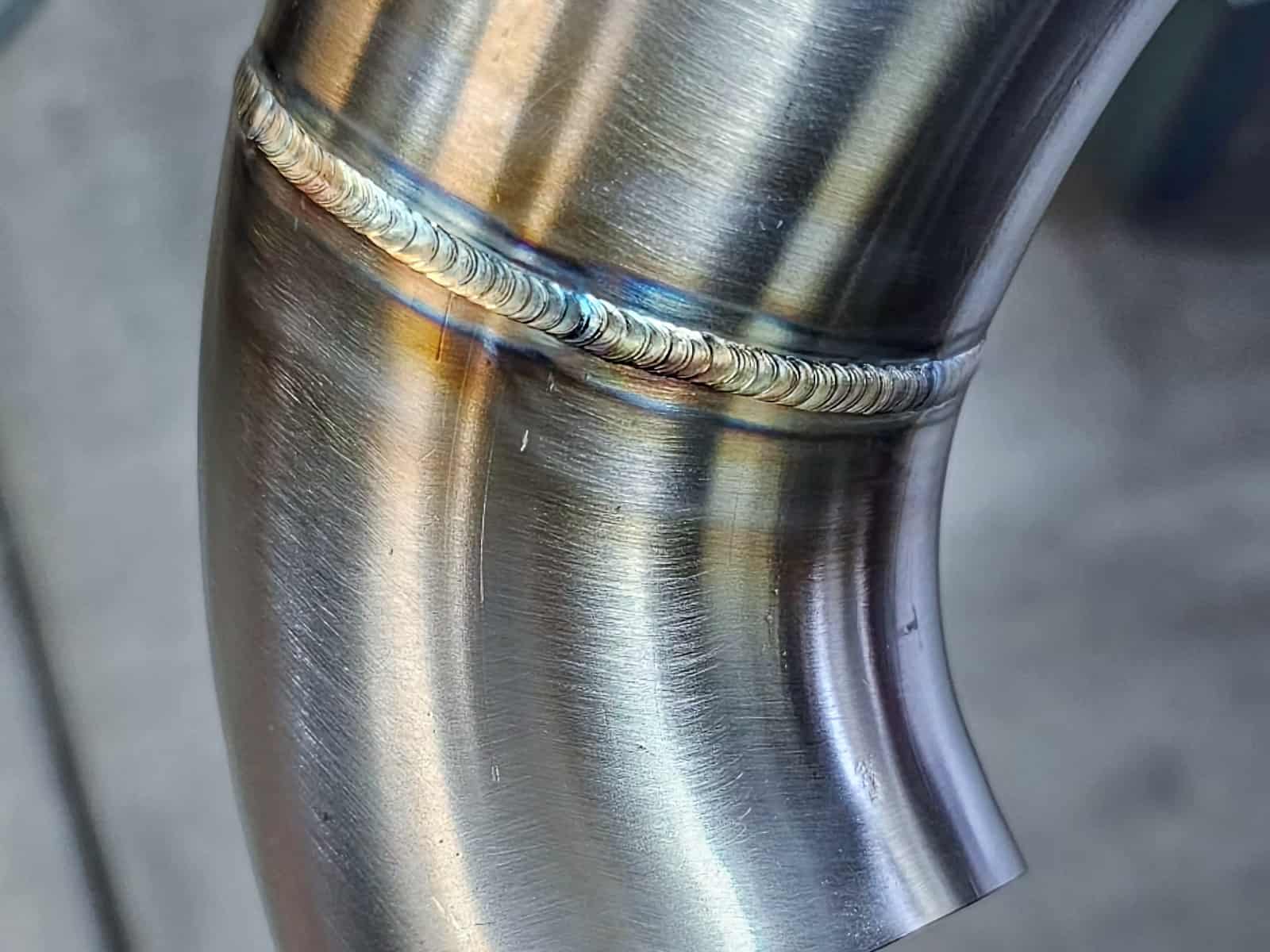
But then, one day, something clicks. Your hands move with a newfound grace. The arc hums a perfect note. The molten puddle dances hypnotically, and you feed the rod in, watching as the metal fuses seamlessly, leaving behind a stack of perfectly uniform, shimmering dimes. In that moment, you realize the struggle was worth it. You've tamed the stainless steel diva, orchestrated the argon symphony, and created something beautiful and strong. And that, my friends, is the pure, unadulterated magic of TIG welding stainless steel gas!