
Tig Weld Mild Steel Settings
Have you ever seen a beautifully crafted metal object – maybe a custom bike frame, a delicate sculpture, or even a sturdy piece of furniture – and wondered how those seemingly seamless joins came to be? There’s a good chance that at some point, a skilled hand wielding a TIG welder was involved. TIG welding, or Tungsten Inert Gas welding, is often considered the artist’s choice of welding processes. It's precise, clean, and when done right, produces welds that are not only incredibly strong but also beautiful to look at. And if you’re looking to dive into this fascinating world, starting with TIG welding mild steel is like learning to draw with a pencil before tackling oil paints – it’s the perfect, accessible foundation. It's a blend of science, art, and a little bit of magic, transforming raw metal into something new and functional.
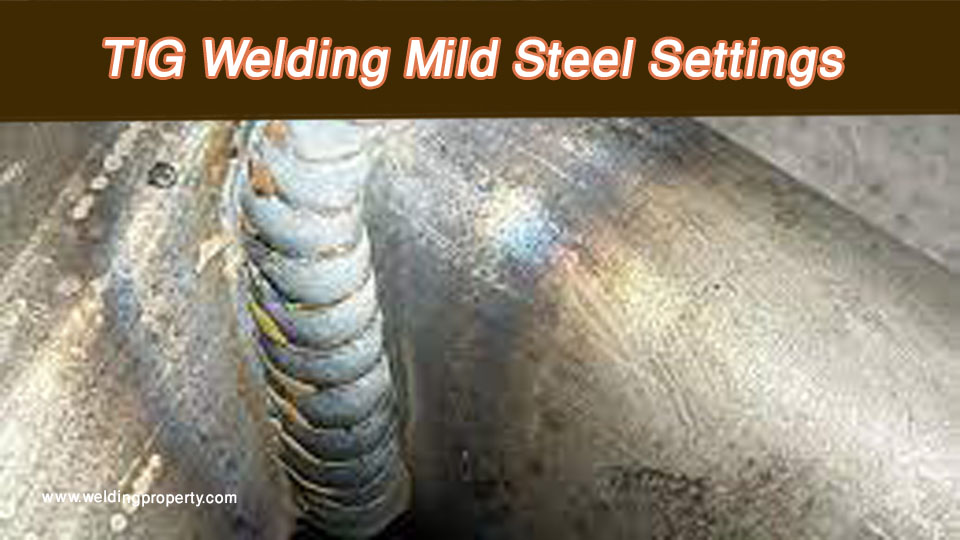
So, what exactly are we talking about when we discuss "TIG weld mild steel settings"? Essentially, it’s about understanding the dance between your machine and your material. The purpose is to create a molten puddle of mild steel, add a filler rod, and fuse them together into a single, robust piece, all while protecting the weld from contaminants using an inert gas, typically argon. The benefits are numerous: TIG provides unparalleled control and precision, making it ideal for thinner materials where other processes might blow through or warp the metal. The resulting welds are incredibly clean, strong, and have that distinctive "stack of dimes" appearance that welders admire. This precision means less post-weld clean-up and a superior finish, which is fantastic whether you’re making something structural or something purely aesthetic.
Where might you encounter this exquisite skill, or even learn it yourself? In education, TIG welding is a core component of vocational training programs, engineering courses focusing on material science, and even fine arts schools for metal sculpture. Imagine students learning to precisely join intricate components for robotics or creating stunning abstract metal art. In daily life, the applications are just as widespread and exciting. Think about custom car and motorcycle enthusiasts fabricating unique exhaust systems or chassis modifications. Picture a hobbyist creating bespoke metal furniture for their home, repairing a beloved garden gate, or crafting a one-of-a-kind metal sign. From delicate jewelry stands to sturdy industrial prototypes, TIG welding mild steel is the go-to for projects demanding both strength and a flawless finish.
Must Read
Ready to take a peek behind the curtain? While TIG welding has a reputation for being challenging, it's immensely rewarding. To explore it, you’ll want to understand a few core settings. The most critical is amperage, which controls the heat. For general mild steel, you might start around 1 amp per 0.001 inch of material thickness – so, for 1/8" (0.125") steel, roughly 125 amps, though you'll adjust with a foot pedal. You'll use DC (Direct Current) polarity for mild steel. Other key elements include your tungsten electrode (often 1/16" or 3/32" 2% lanthanated, ground to a sharp point), your shielding gas flow (around 15-20 cubic feet per hour of 100% argon), and the right filler rod (ER70S-2 or ER70S-6 are common). The best way to learn is hands-on! Seek out an introductory class at a local community college, watch reputable online tutorials, and most importantly, practice on scrap pieces of mild steel. Always remember to prioritize safety gear – your eyes and skin will thank you! Experiment, observe the molten puddle, and enjoy the journey of creating strong, beautiful welds.

![How To TIG Weld Stainless Steel To Mild Steel [2025]](https://weldingpros.net/wp-content/uploads/2023/02/how-to-tig-weld-stainless-steel-to-mild-steel.webp)
![TIG Welding Mild Steel: The MOST Accurate Introductory Course [2021]](https://vietmfg.com/wp-content/uploads/2020/11/Use-DCEN-for-TIG-Welding-Mild-Steel.-768x384.jpg)