
Tig Filler Rod For Aluminum
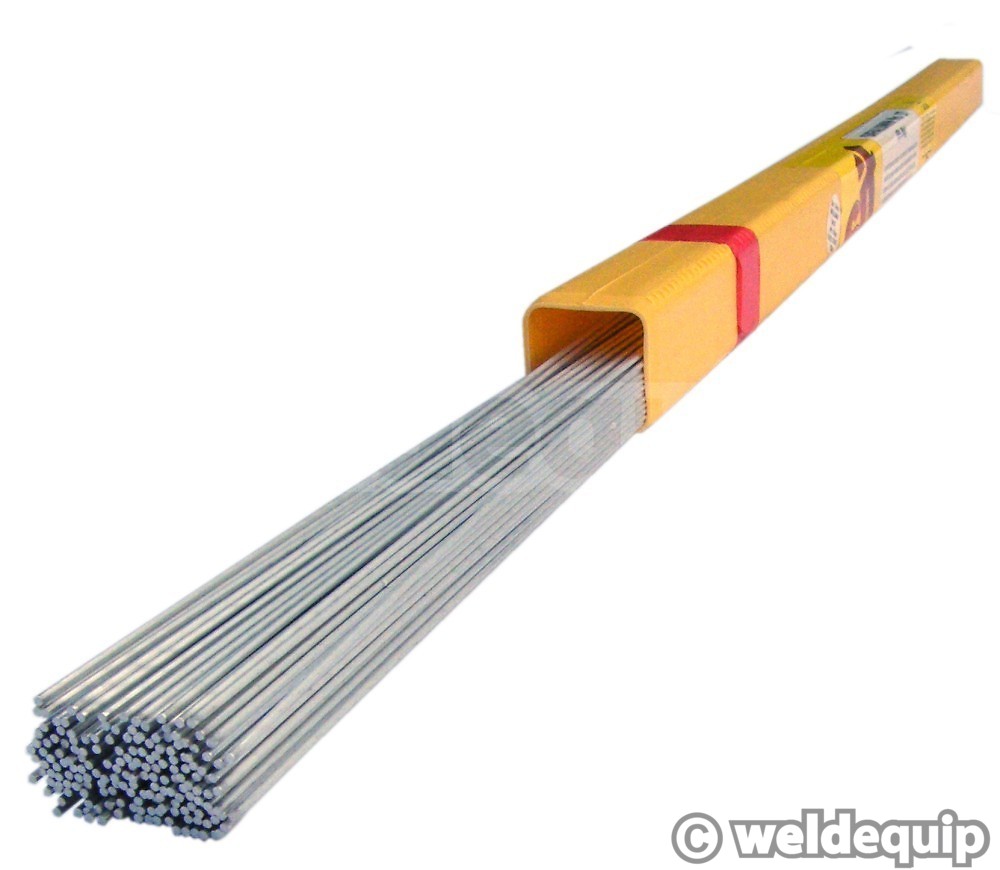
Alright, grab another latte, because we're about to dive into a topic that, to the uninitiated, sounds about as thrilling as watching paint dry, or perhaps, a detailed tax audit. But trust me, by the end of this, you’ll be looking at aluminum TIG welding filler rod with the kind of reverence usually reserved for master sommeliers discussing vintage wine. Or, you know, people who really, really like tiny metal sticks.
You see, TIG welding aluminum is a bit like trying to perfectly fry an egg while simultaneously juggling flaming torches and reciting Shakespeare in Latin. It’s delicate, it’s finicky, and it can go from "masterpiece" to "modern art disaster" faster than you can say "spontaneous combustion." And at the heart of this glorious, fiery ballet? The humble, yet utterly critical, TIG filler rod for aluminum.
Now, you might think, "It’s just a stick of metal, right? How complicated can it be?" Oh, my sweet summer child. That’s like saying a diamond is "just a rock." The filler rod is the secret sauce, the unsung hero, the tiny metal matchmaker that decides if your project lives happily ever after or ends up in the scrap bin, sobbing quietly.
Must Read
The Great Divide: 4043 vs. 5356
When it comes to aluminum TIG filler rods, there are two titans, two gladiators, two… well, two main types that dominate the arena: 4043 and 5356. Think of them as the Batman and Superman of the welding world. Both powerful, but with very different superpowers and kryptonite.
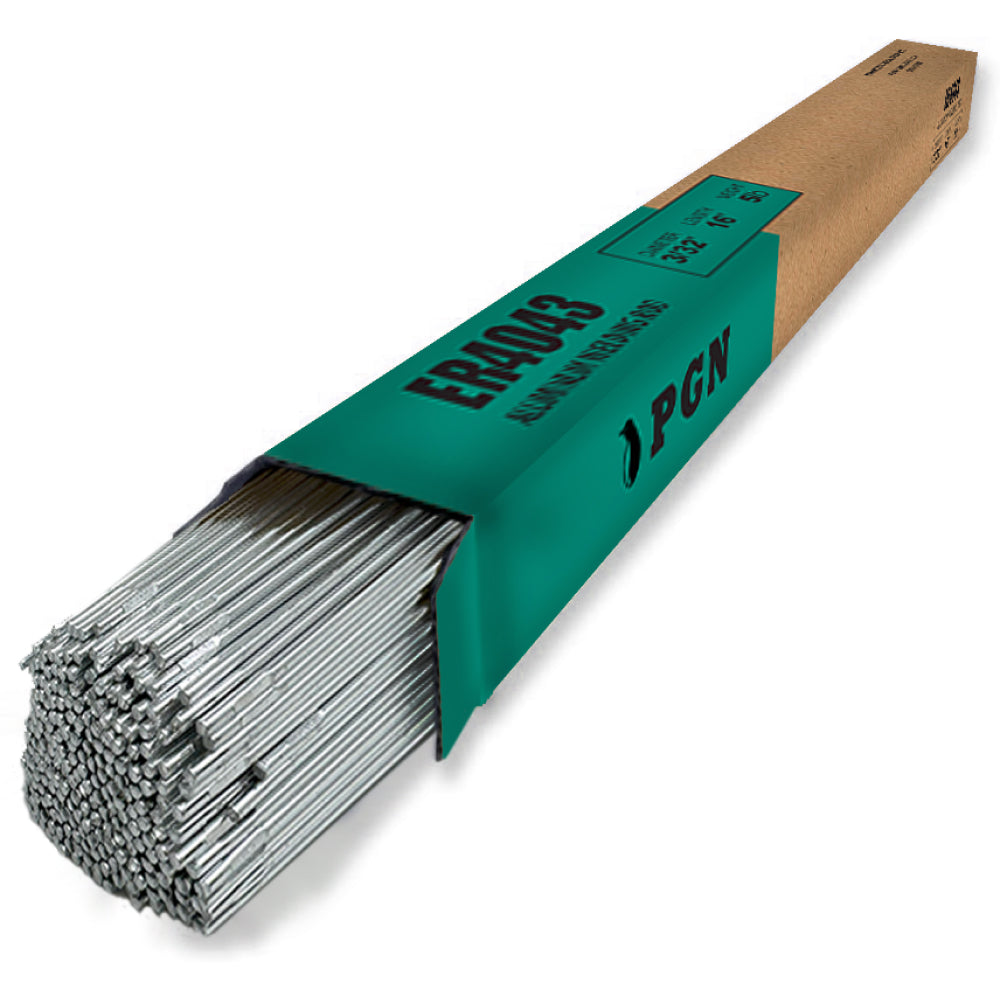
First up, we have 4043. This is your dependable workhorse. The vanilla ice cream, the trusty old pickup truck. It’s got silicon in it, which makes the weld puddle flow like a dream. Seriously, it's like watching warm butter melt on a hot biscuit – smooth, easy, beautiful. If you’re welding general-purpose aluminum (like 6061, which is practically everywhere), 4043 is often your go-to. It makes a strong, crack-resistant weld, and generally plays nice with others.
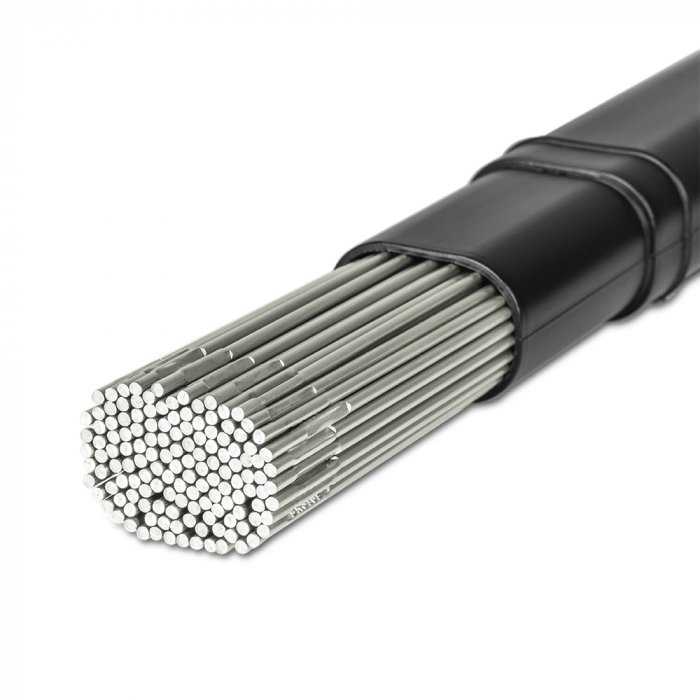
However, 4043 has a dirty little secret: it turns dark grey when anodized. So, if you’re planning on giving your welded piece that snazzy, protective colored coating, 4043 will leave you with a rather noticeable "tattoo" where the weld is. It's like wearing socks with sandals – perfectly functional, but maybe not the look you're going for.
Then there’s 5356. This rod is the tough guy, the one with magnesium. It’s stronger, often preferred for structural applications, marine environments, and anything that’s going to get a good beating. And here’s the kicker: it anodizes beautifully! If you want your weld to disappear into the background after anodizing, 5356 is your star. It’s like magic! Or, you know, just clever metallurgy.
But wait, there's a catch! (Isn’t there always?) While 5356 is strong and pretty, it can be more prone to cracking on some base metals, especially if they have higher silicon content themselves. It's a bit like a dramatic movie star – brilliant in the right role, but can throw a tantrum if mismatched.
Choosing Your Weapon (Wisely)
So, how do you choose? It’s not just about picking the coolest sounding number. It’s about being a detective, a matchmaker, a tiny metal relationship counselor.
1. Know your base metal! This is paramount. Most common aluminum alloys are either 6xxx series (like 6061) or 5xxx series. Matching the filler rod to the base material is like matching socks – you don't want a polka dot and a stripe. For 6061, both 4043 and 5356 can work, but consider the application.
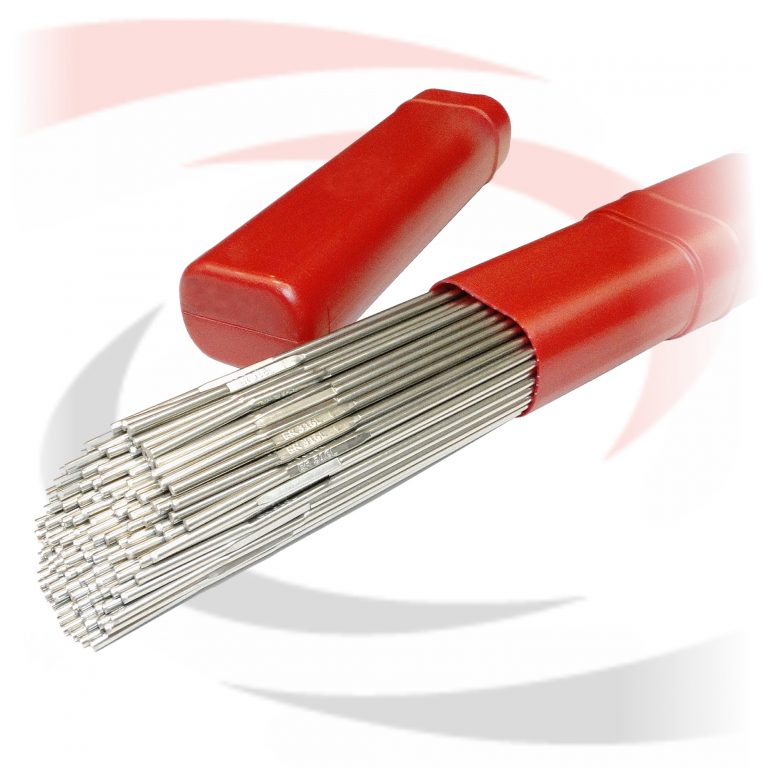
2. What’s the end goal? Is it structural? Then 5356's strength might be calling your name. Is it decorative and needs a flawless anodized finish? Again, 5356 is probably your champion.
3. Cleanliness is next to godliness (and good welds)! Seriously, aluminum is a diva. It hates dirt, oil, and especially oxidation. Wire brush it, wipe it with acetone, and then probably do it again. Your filler rod will thank you, and your weld won't look like a bubbling alien concoction.

There are other players too, like 4943 (the "new kid on the block" often called an "improved 4043" for better strength) or 4047 (a high-silicon option for lower melting temps and intricate work). But for most folks, starting with a good grasp of 4043 and 5356 is like having a solid foundation for your metal-joining mansion.
The Punchline (No, Not a Welder Joke)
Ultimately, choosing the right TIG filler rod for aluminum is about understanding the properties of your materials and what you want the final product to achieve. It’s a dance between strength, ductility, aesthetic, and that glorious, glorious flow. Get it right, and you'll create welds that are not only strong but beautiful. Get it wrong, and well, you’ve got a fantastic story about how you accidentally created a modern art sculpture that was definitely not what you intended.
So, the next time you’re contemplating a TIG welding project with aluminum, remember: don't just grab any old stick. Pick your filler rod with care, understanding its quirks and its superpowers. Your project, and your sanity, will thank you. Now, who's ready for another coffee?