Things To Put In A Bug Out Bag
Ever found yourself staring blankly at a news report about an unexpected natural disaster or a city-wide power outage, thinking, “What if that happened here?” Or maybe you just love the idea of being ready for anything, like a real-life superhero, but instead of a cape, you have a really well-packed backpack. If so, welcome to the wonderful, slightly obsessive world of the Bug Out Bag!
Far from being just for doomsday preppers (though they certainly have a few!), assembling a bug out bag is a fantastic, practical hobby that brings an incredible sense of peace of mind. Think of it as your ultimate "just in case" kit, a portable insurance policy against the unpredictable whims of life. It’s less about escaping a global catastrophe and more about being equipped for common disruptions – a prolonged power outage, an unexpected evacuation due to a local fire or flood, or even just being stranded longer than expected on a road trip. The benefit isn't just about survival; it's about reducing stress and maintaining a sense of control when everything else feels chaotic.
So, what exactly is this mystical bag, and how does it fit into everyday life? Simply put, it's a backpack filled with essential supplies designed to sustain you for at least 72 hours if you suddenly need to leave your home. Common applications are surprisingly mundane yet crucial: having a grab-and-go kit when a pipe bursts, requiring a temporary stay elsewhere; being prepared when a severe winter storm knocks out power for days; or even just having critical items consolidated for a quick departure if a wildfire approaches your neighborhood. It's about preparedness, not panic, giving you the freedom to focus on safety rather than scrambling for essentials.
Must Read
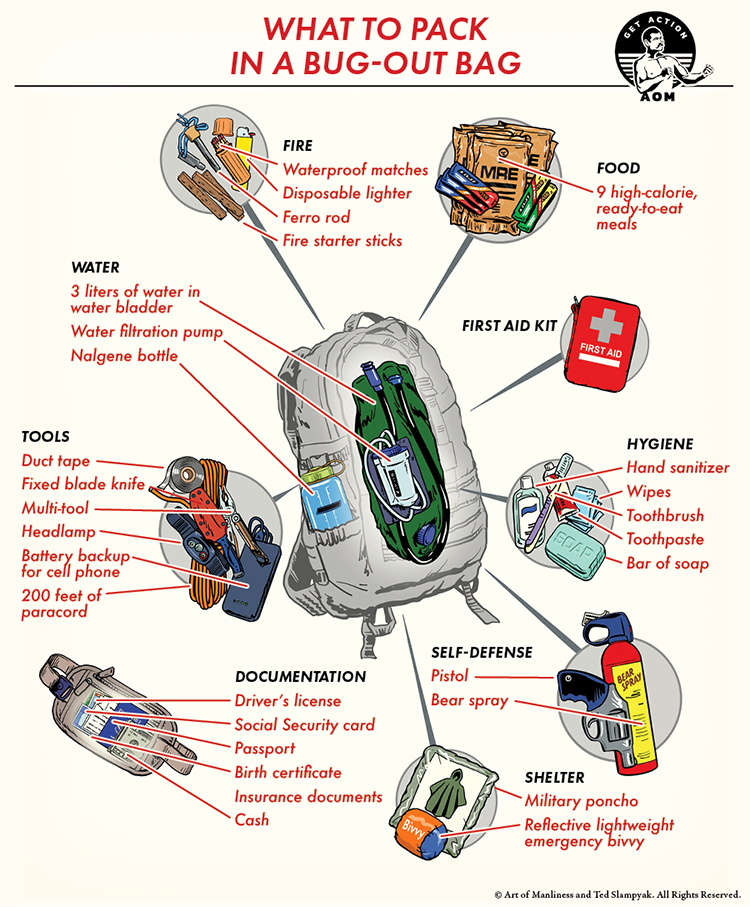
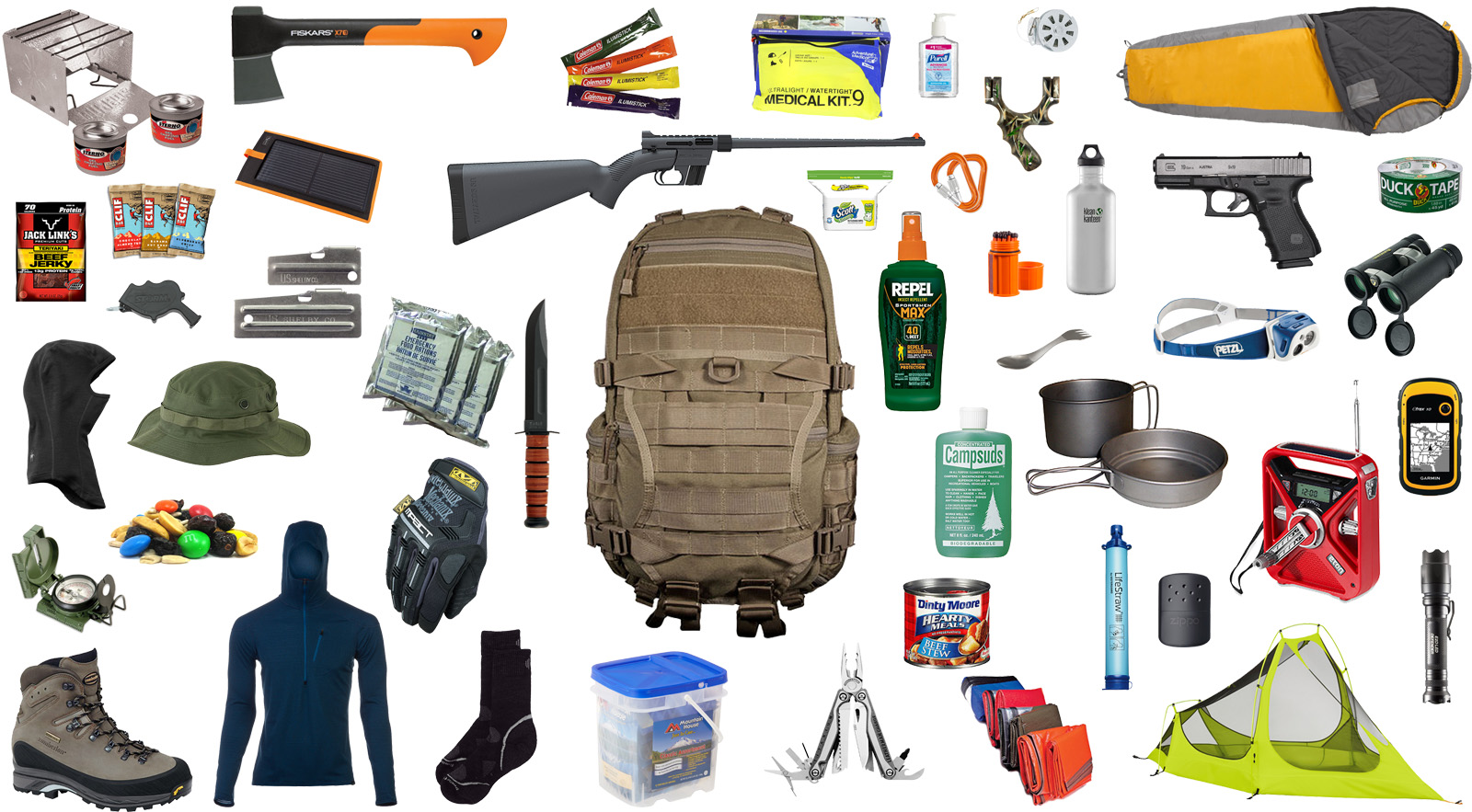
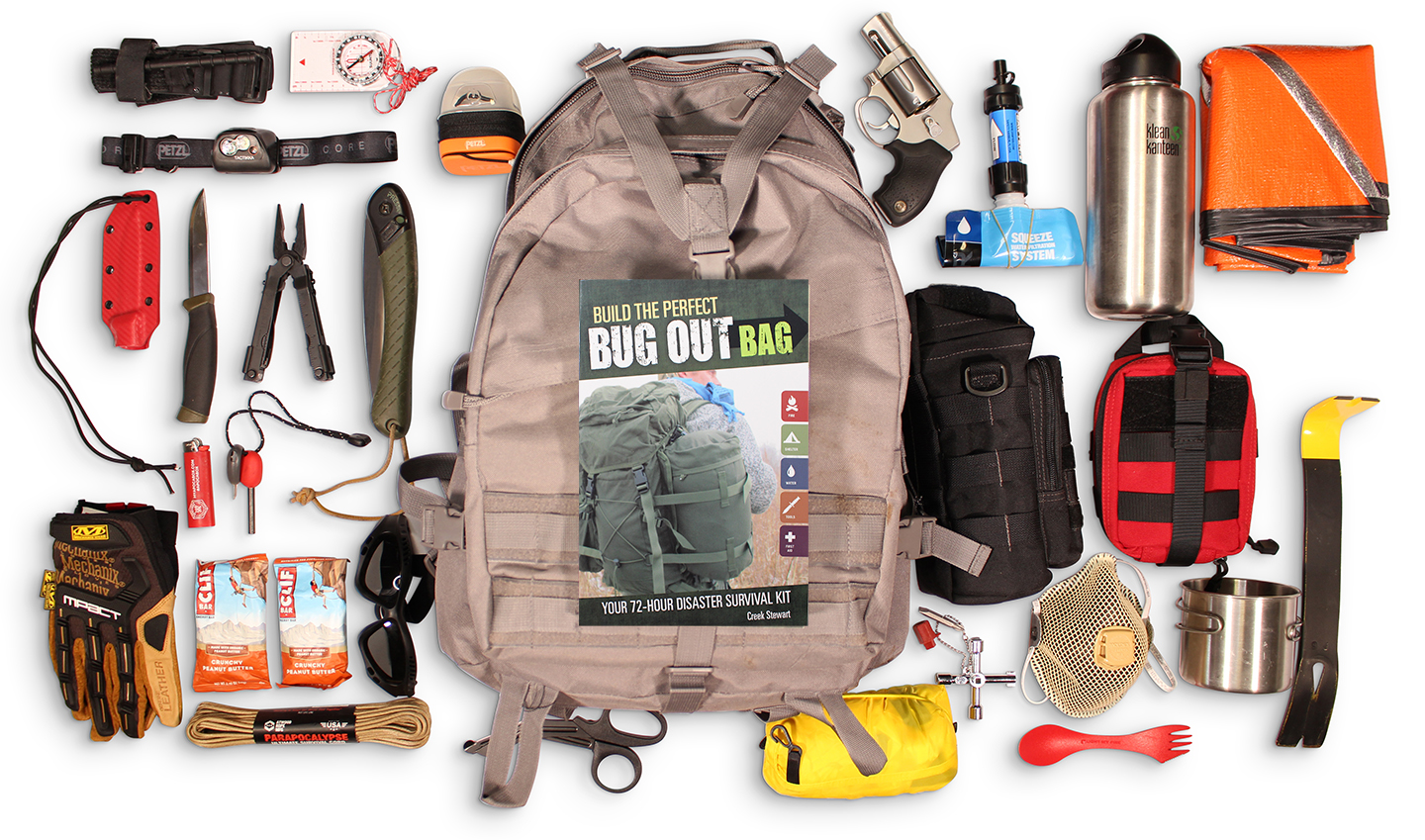
Ready to build your own fortress on your back? Here are some practical tips to make the process effective and, dare we say, enjoyable! Start with the absolute basics, often known as the "Rule of Threes" for survival: Water (purification tablets or a filter are key), Food (non-perishable, high-energy snacks like protein bars and dried fruit), and Shelter (a lightweight tarp, emergency blanket, or even a compact tent). Don't forget first aid supplies, a reliable light source (headlamp is best!), and a way to start a fire. Beyond the core, consider navigation (map and compass), communication (a hand-crank radio and a fully charged power bank for your phone), and a multi-tool. Make it personal: include copies of important documents, any necessary medications, and a bit of cash. Finally, and perhaps most importantly, your bug out bag isn't a "set it and forget it" item. Regularly review and rotate items, especially food and water, checking expiration dates and testing batteries. Tailor it to your environment and family needs, and perhaps even take it on a practice camping trip. Knowing your gear, and how to use it, is half the battle!