
Things That Are Made Of Lead

Ever just stop and think about the stuff around us? Not the fancy gadgets or the high-tech wizardry, but the really old-school, fundamental materials? Today, let's chat about a metal that often gets a bad rap, but has a surprisingly rich and fascinating history: lead. Yeah, that heavy, dull-looking stuff. It might not be as glamorous as gold or as strong as steel, but trust me, it’s got some seriously cool stories to tell and some pretty vital roles it's played.
Imagine a material that’s incredibly dense – almost like a tiny black hole in your hand – yet also soft enough to bend and shape with surprising ease. That’s lead! It’s like the gentle giant of the metal world. This unique combo of heaviness and malleability is precisely why humans have been tinkering with it for thousands of years.
Ancient Wonders and Everyday Plumbing
Picture this: Ancient Rome, bustling streets, magnificent aqueducts... and lead pipes! Yep, the Romans were big fans of lead for their plumbing systems. In fact, the very word for plumber comes from the Latin "plumbum," which is also where lead gets its chemical symbol, Pb. How cool is that? They loved it because it was easy to mold into pipes and was surprisingly durable for moving water. We now know there were downsides, but for its time, it was a technological marvel that helped build an empire.
Must Read
It wasn't just Rome, either. Across different ancient civilizations, lead was used for everything from coins and weights to decorative elements. Its ability to be easily melted and cast into shapes made it incredibly versatile.
Revolutionizing Communication: The Printing Press
Fast forward to the 15th century. A man named Johannes Gutenberg changed the world with his movable type printing press. And guess what one of the key materials was for those individual letters? You got it: lead! Or, more accurately, a lead alloy. The lead made the type pieces heavy enough to stay put, yet soft enough to cast easily and hold the intricate details of letters.
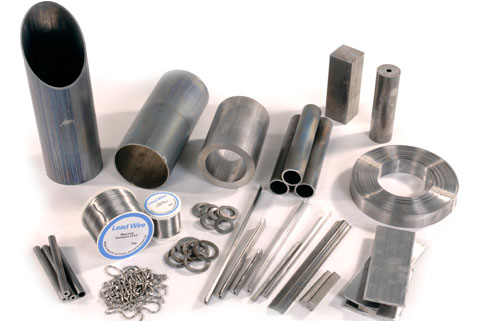
Think about that for a second. Without lead, the rapid spread of knowledge, books, and ideas might have taken a very different, much slower path. It was literally at the heart of a communication revolution!
Artistry in Light: Stained Glass
Have you ever gazed up at a breathtaking stained-glass window in an old cathedral, marveling at the vibrant colors and intricate patterns? Those beautiful pieces of glass aren't just magically floating there. They’re held together by thin strips of metal called "cames," and historically, these were often made of lead.
Its softness and flexibility made it perfect for bending around irregularly shaped glass pieces, creating those stunning mosaics of light. It's a testament to lead's quiet role in some of humanity's most enduring art.

Modern Marvels (and Essential Safety)
While we've wisely moved away from using lead in many everyday items due to health concerns (and let's be clear, that's a good thing!), it still plays some absolutely critical roles today where its unique properties are irreplaceable.
For instance, think about hospitals. When you get an X-ray, the technicians often wear a heavy apron, right? That’s for their protection, and it's full of lead. Its incredible density makes it fantastic at blocking harmful radiation. It's used in walls of X-ray rooms, nuclear power plants, and even spacecraft. In these scenarios, lead isn't just useful; it's a lifesaver.
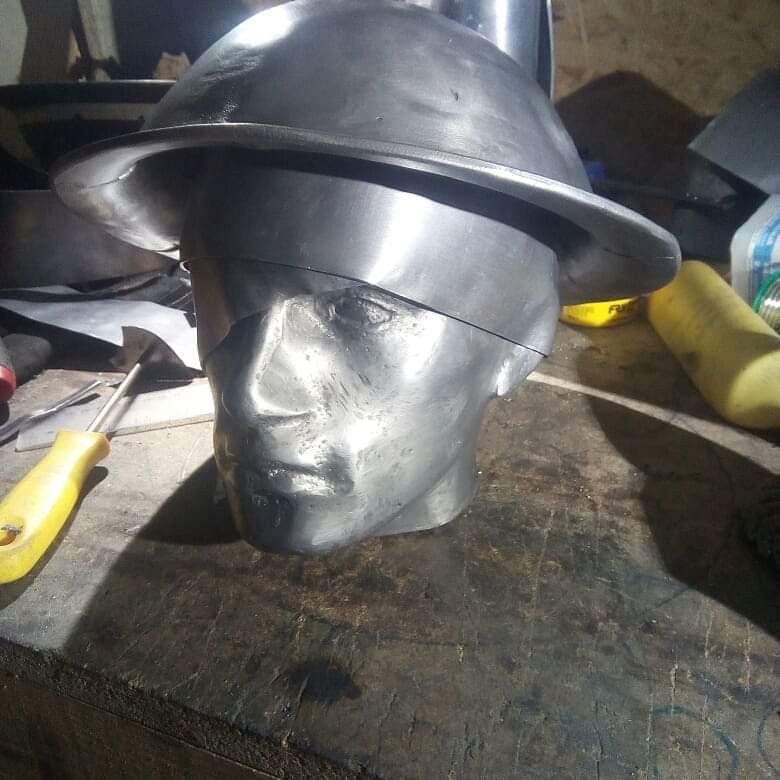
And what about the car you might drive? Chances are, it's powered by a lead-acid battery. These reliable workhorses provide the burst of power needed to start your engine and keep your car running. Despite newer battery technologies, lead-acid batteries remain incredibly cost-effective and dependable for many applications, from cars to backup power systems.
Hidden in Plain Sight: Fishing and Balancing
Ever gone fishing? Those little weights that help your line sink are often made of lead (though alternatives are becoming more common). Why? Because you want something small but heavy to get your bait down quickly. It’s the same principle behind those tiny weights you see attached to car tires. They're there to perfectly balance the wheel, ensuring a smooth ride, and lead's density makes it ideal for precise weighting in small amounts.
Even something as simple as solder, used in electronics to connect components, historically relied on lead's low melting point. While lead-free solders are now standard, it’s another example of how this unassuming metal was once fundamental to tiny, intricate connections that power our world.

The Pencil Myth!
Here's a fun one: ever heard someone call a pencil a "lead pencil"? Well, here's a little secret: there's no lead in pencils! That dark core is actually graphite, a form of carbon. The misconception comes from way back when, before graphite was widely understood, people thought the dark mineral might be a type of lead. So, next time someone mentions a "lead pencil," you can drop that little fact bomb!
A Metal with a Story
So, while lead might not be the poster child for "safe and friendly" materials these days, it's impossible to deny its profound impact on human history and technology. From ancient Roman plumbing to modern radiation shielding, from the printing press to stained-glass windows, lead has been a quiet, heavy-lifting hero in countless human endeavors.
It’s a fantastic reminder that even the most humble or misunderstood materials often have the most incredible stories and have shaped our world in ways we rarely consider. Pretty neat, right?