Things That Are Made Of Brass
Have you ever paused to appreciate the subtle gleam of a doorknob, the rich tone of a trumpet, or the intricate workings of an old clock? Chances are, you've been admiring something made of brass. This ubiquitous alloy, a delightful mix of copper and zinc, is one of those unsung heroes that quietly enhances our daily lives, often without us even realizing it. Learning about brass isn't just about identifying a metal; it's about uncovering a fascinating material with a rich history and surprising versatility that makes our world both more functional and beautiful.
So, what makes brass so special? For starters, its durability and corrosion resistance are truly remarkable. Unlike iron, brass doesn't rust, making it an ideal choice for plumbing fixtures, marine applications, and outdoor hardware that needs to withstand the elements. It’s also incredibly malleable and machinable, meaning it can be easily shaped, cast, and intricately engraved, which has made it a favorite for craftsmen and engineers for centuries. But perhaps one of its most intriguing benefits, especially in today's world, is its inherent antimicrobial property. That’s right – brass naturally inhibits the growth of bacteria and other microbes, making it a surprisingly hygienic choice for frequently touched surfaces like door handles and medical instruments.
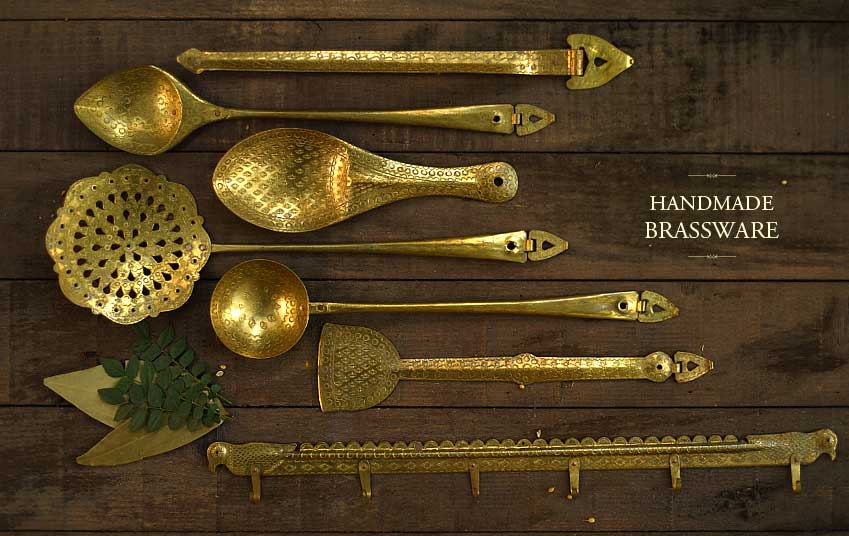
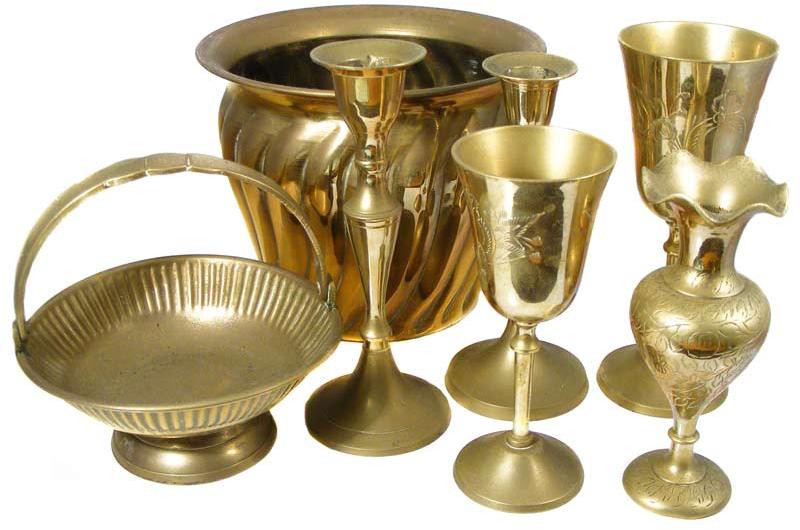
Think about where brass pops up in our lives. In the realm of music, the entire brass section of an orchestra – trumpets, trombones, French horns, and tubas – owes its distinctive sound and resonant qualities to this very metal. Their vibrant, powerful notes are a testament to brass's excellent acoustic properties. Beyond the concert hall, look no further than your own home: many of our faucets, showerheads, and pipe fittings are crafted from brass due to its leak-resistant and long-lasting nature. The sturdy locks, hinges, and keys that secure our homes and belongings are often made of brass, offering both strength and a pleasing aesthetic. From antique telescopes and scientific balances, where precision and stability are paramount, to decorative lamps, elegant ornaments, and timeless sculptures, brass lends its distinctive golden luster and enduring charm.
Must Read
Feeling a bit more curious about brass now? It's easy to start exploring! A simple way is to conduct a "brass scavenger hunt" right in your own home. Can you spot all the brass items – perhaps a decorative planter, a light switch plate, or an old bell? Pay attention to their weight and the way light catches their surface. If you have the chance, visit an antique shop or a local museum; you'll often find beautifully aged brass pieces with a lovely patina, telling stories of eras gone by. When you next hear a symphony, try to specifically listen for the bright, clear voices of the brass instruments. You could even try a simple, gentle polish on an old brass item (with a proper brass cleaner, of course!) to witness its transformation from a dull, oxidized state to its original, brilliant shine. By simply observing and interacting with it, you'll gain a deeper appreciation for this truly remarkable metal.