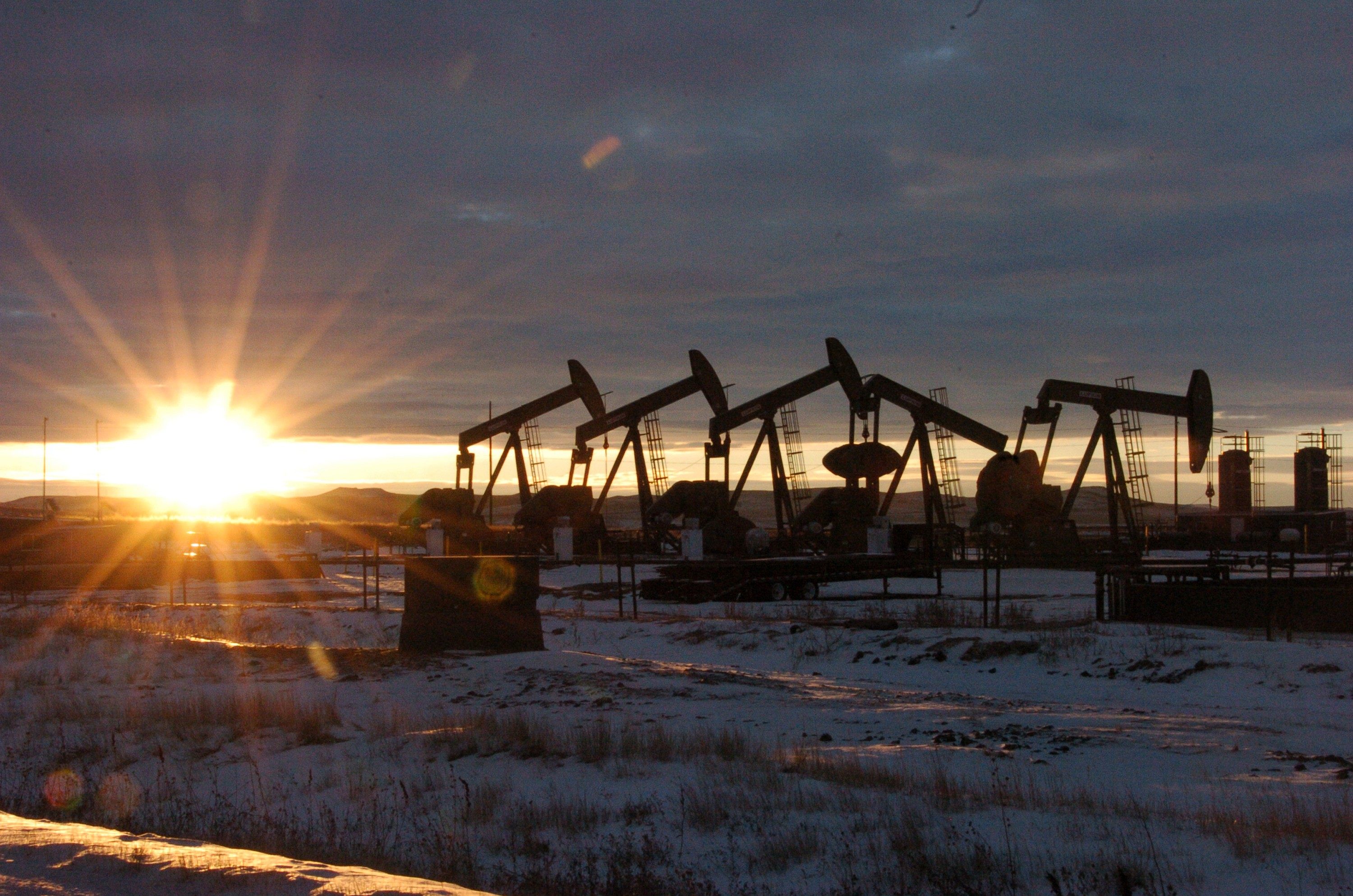
The World Is Running Out Of Oil

Remember that feeling of absolute freedom? The open road stretching before you, the world at your fingertips, a quick trip to the store, or a package delivered right to your door in a blink. Much of what makes our modern lives so convenient, so dynamic, and frankly, so easy, is thanks to something we rarely think about: oil. It’s the invisible force that fuels our adventures, powers our homes, and even makes the clothes on our backs. We might not "enjoy" crude oil itself, but we certainly cherish the incredible possibilities and boundless convenience it has afforded us.
From the moment we wake up, oil is working its magic. That warm shower? Likely heated by natural gas (often found with oil) or electricity generated from fossil fuels. Your morning coffee? The beans were grown with fertilizers derived from petroleum, harvested by machines running on diesel, and transported across continents. Our entire global infrastructure literally runs on this black gold. It's not just about filling up your car; it's about the entire supply chain, the manufacturing processes, the very fabric of global commerce. It’s the raw material for countless products, from life-saving medical equipment to your smartphone casing, paving our roads, and lubricating the engines of industry. Without it, the world as we know it would, quite simply, grind to a halt.
Think about it: Your morning commute, whether by car, bus, or train, relies heavily on oil. The synthetic fibers in your favorite athleisure wear? Petroleum-based. The plastic packaging around your lunch, the laptop you're reading this on, even the asphalt on the street outside your home – all owe their existence to this remarkable, yet finite, resource. It truly is the silent backbone of modern civilization, making complex, interconnected global systems possible and delivering unparalleled comfort and opportunity right to our doorsteps.
Must Read
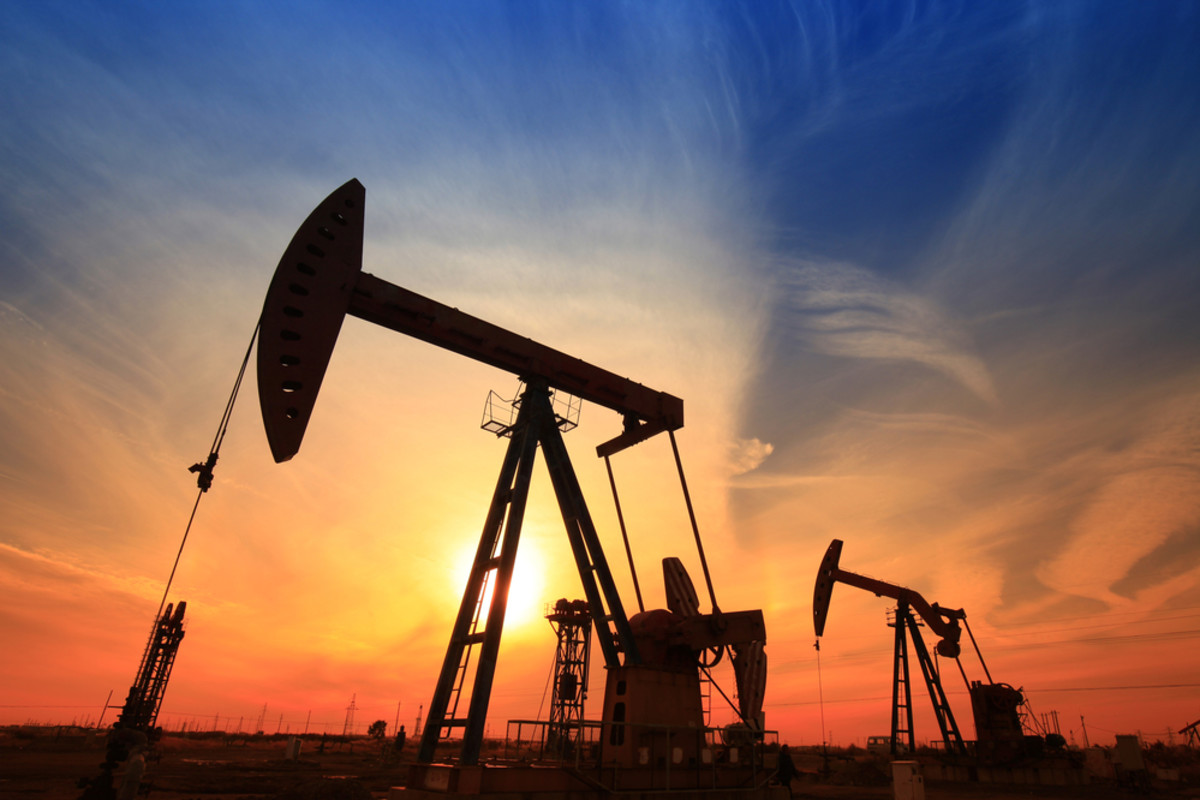
But here’s the twist: For all its incredible utility, the world is indeed grappling with the concept that our oil reserves are finite. We won’t wake up tomorrow with empty tanks, but the journey towards scarcer, more expensive, and harder-to-extract oil is well underway. So, how can we continue to 'enjoy' the benefits it has provided, and transition effectively to a future where we rely less on this precious resource?
The key lies in mindful consumption and proactive adaptation.

Firstly, embrace smarter mobility. Could you walk, cycle, or use public transport for shorter trips, reclaiming some quiet time or getting a mini-workout? Carpooling isn’t just good for your wallet; it’s a brilliant way to share resources and even make new connections. For longer distances, explore electric vehicles or consider combining trips to be more efficient.
Secondly, think critically about your energy footprint at home. Simple changes like using energy-efficient appliances, insulating your home, and unplugging electronics can make a significant difference. Explore local options for switching to renewable energy sources for your electricity – imagine the satisfaction of knowing your lights are powered by the sun or wind!
Thirdly, be aware of your plastic consumption. Many of our everyday items, from clothing to packaging, are petroleum-based. Reducing single-use plastics, choosing durable goods, and actively recycling are small acts that collectively create a huge impact. Support brands committed to sustainable materials.
Finally, stay curious and open to innovation. The world is rapidly developing incredible alternatives: advanced battery technologies, sustainable aviation fuels, and new forms of green manufacturing. By supporting and adopting these greener alternatives, we don’t just 'enjoy' the dwindling resource more effectively; we secure a more sustainable, vibrant, and equally convenient future for ourselves and generations to come. It’s about redefining freedom, not losing it.