
The Unit For Measuring Electric Power Is The
Hey there, sparky! Ever wondered what those mysterious numbers are next to the lightning bolt symbol on your hairdryer? Or that little "W" that pops up when you're bragging about your super-efficient LED light bulbs? Well, you've stumbled upon the land of electric power, my friend, and we're about to demystify it all!
Now, when we talk about electric power, we're talking about how quickly electricity is being used. Think of it like this: Imagine two race cars. One's chugging along at a steady pace, while the other is zooming around the track like it's powered by pure caffeine. The zooming car is using more "power" – it's getting the job done faster! Electricity is similar – some appliances use it slowly and steadily (like your grandma's antique lamp), while others guzzle it like a thirsty camel (we're looking at you, air conditioner!).
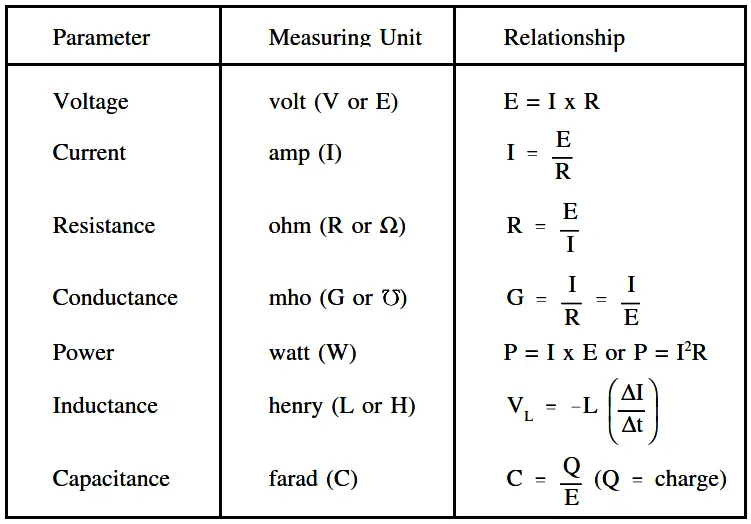
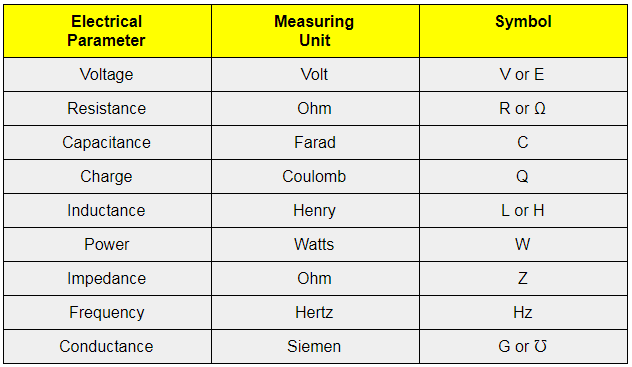
So, how do we measure this electric oomph? What's the official yardstick for electrical muscle? Well, drumroll, please... The unit for measuring electric power is the watt!
Must Read
Yeah, I know, it sounds a bit like a grumpy gnome. But trust me, the watt is your friend. It's named after James Watt, a Scottish inventor who wasn't actually all that grumpy (probably). He improved the steam engine, which, back in the day, was kind of a big deal. Naming the unit of power after him was a well-deserved tip of the hat!
Watts Up With That? (See what I did there?)
Okay, so we know the watt is the hero of our story. But what does it actually mean?
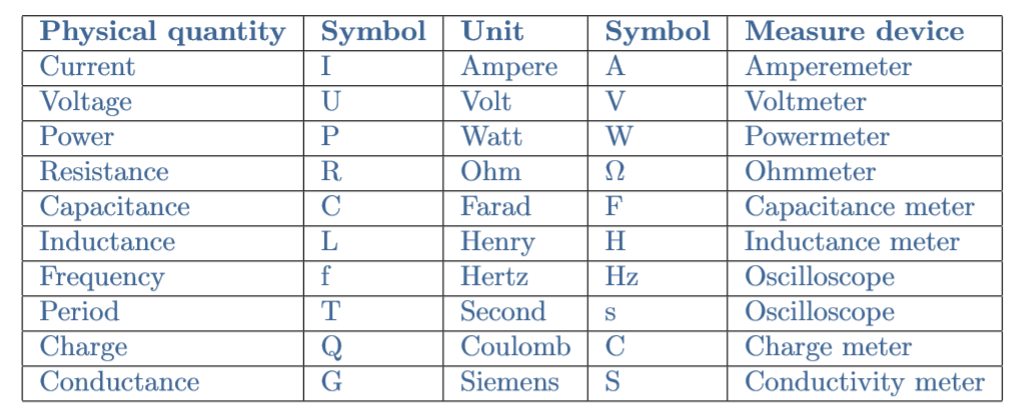
A watt (W) is basically a measure of how much energy is being used per second. So, a 100-watt light bulb uses 100 joules of energy every second. (Joules? Don't worry about that now. Just think of them as tiny packets of energy. Like little electric candy!).
Here's a handy-dandy analogy: Think of electricity like water flowing through a pipe. The voltage (measured in volts) is like the water pressure, and the current (measured in amps) is like the amount of water flowing. The power (measured in watts) is like the overall "push" or "strength" of that water flow. More pressure and more water mean more power!

So, a higher wattage means more power consumption. A 1500-watt hairdryer is going to dry your hair much faster (and probably use more electricity) than a 500-watt one. But remember, with great power comes great responsibility… to check your electricity bill!
Kilowatts and Megawatts and Gigawatts, Oh My!
Sometimes, we need to measure REALLY big amounts of power. Like, "powering an entire city" kind of big. That's where kilowatts (kW), megawatts (MW), and gigawatts (GW) come into play. They're just larger versions of the watt:
- 1 kilowatt (kW) = 1,000 watts
- 1 megawatt (MW) = 1,000,000 watts (or 1,000 kilowatts)
- 1 gigawatt (GW) = 1,000,000,000 watts (or 1,000 megawatts)
Think of it like this: Watts are like pennies, kilowatts are like dollar bills, megawatts are like bags of money, and gigawatts are like… well, Scrooge McDuck swimming in a vault full of gold! (Okay, maybe that's a slight exaggeration, but you get the idea).
Power plants often generate electricity in megawatts or gigawatts. Your home probably uses electricity in kilowatts. And your phone charger? Probably just a few watts. See? Watts are everywhere!
Why Should You Care About Watts?
Knowing about watts can actually save you money! When you're buying appliances, pay attention to the wattage. Lower wattage usually means lower energy consumption, which means lower electricity bills. Look for the Energy Star label – it's like a gold star for energy efficiency! Plus, you'll be doing your bit for the environment. You go, eco-warrior!
So, next time you see that "W" symbol, remember James Watt, remember the flow of electricity, and remember that you're now a power-measuring pro! You've officially leveled up in the world of electrical knowledge.
And that, my friend, is the power of knowing your watts! Now go forth and illuminate the world (responsibly, of course!).