
The Type Of Stresses Developed In The Key Is Are

Ever wondered what's going on inside a simple key when you twist it in a lock? It’s not just a piece of metal; it's a tiny battlefield of forces! We're talking about the stresses that arise when you're unlocking your front door. Sounds boring? Think again! It’s surprisingly fascinating.
The Key's Secret Life: Stresses at Play
Imagine you're wrestling with a stubborn lock. You're applying torque, that twisting force, to the key. That's where the fun begins! This torque creates different types of stresses within the key's metal. Think of it like squeezing a stress ball, but with metal and specific purposes.
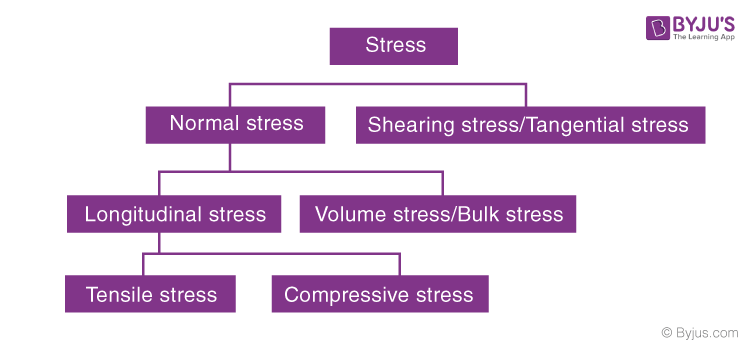
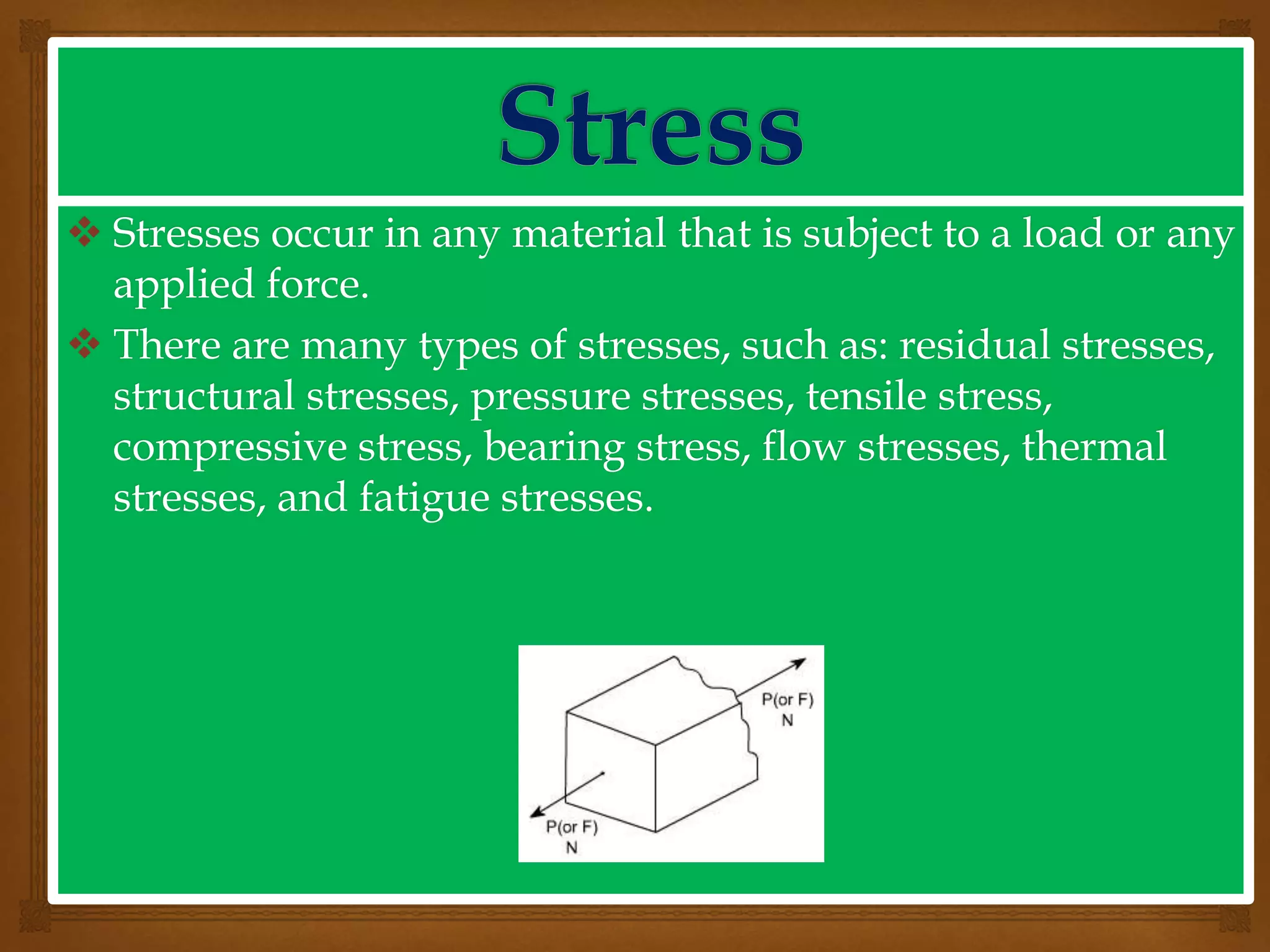
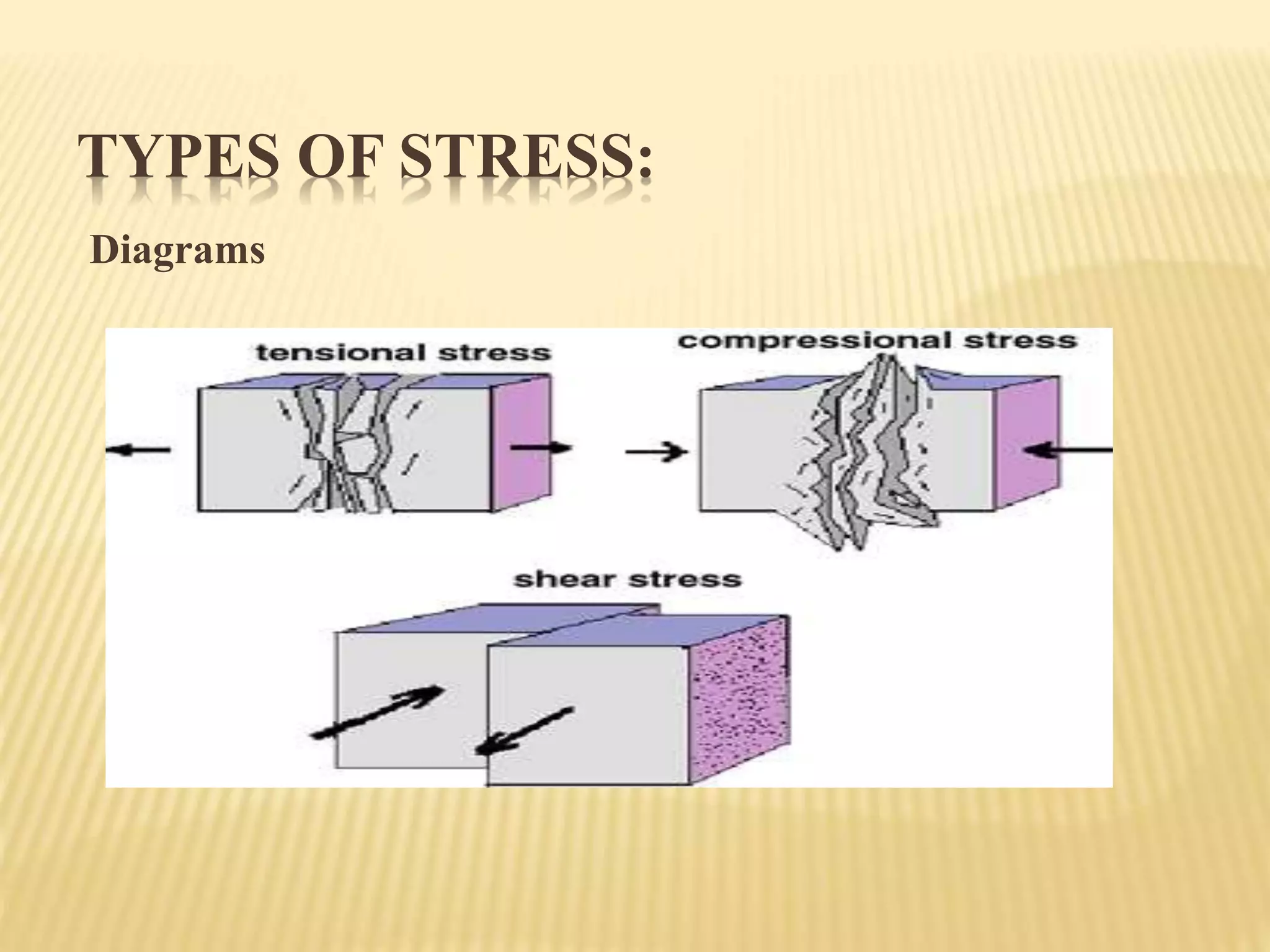
First, there's tensile stress. Imagine you're gently pulling on the ends of the key, trying to stretch it. That's tensile stress in action! While you’re not actually stretching the key (hopefully!), the force is there, wanting to elongate it.
Must Read
Then comes compressive stress. This is the opposite of tensile stress. Imagine you're squishing the key from both ends, trying to make it shorter. Again, you're not physically shrinking it, but the forces are pressing inwards.
But wait, there's more! The real star of the show is shear stress. This is where things get interesting. Shear stress is like trying to slide one layer of the key's metal over another. Think of it like pushing a deck of cards from the top, causing them to slide sideways. The twisting action of the key in the lock creates a powerful shear stress within the metal.
These stresses aren't just abstract concepts. They're what allow the key to do its job! The key's shape and the metal it's made of are carefully designed to withstand these stresses. If the key couldn’t handle the pressure, it would bend, break, or just give up, leaving you locked out.
Why Should You Care? (It's More Fun Than You Think!)
Okay, so maybe you're not planning on becoming a locksmith. But understanding these stresses gives you a newfound appreciation for everyday objects. The next time you use a key, remember the tiny battle raging within its metal. It’s a miniature engineering marvel in your hand!
Think about it: engineers spend years studying these forces to design stronger, more durable tools and structures. From bridges to buildings, the principles are the same. Understanding stress is vital to keeping things safe and functional. And it all starts with something as simple as a key!
Beyond the Keyhole: Exploring the World of Stress
The world of stress doesn't end with keys. It's everywhere! From the tires on your car to the wings of an airplane, everything is subject to stress. Learning about these forces is like unlocking a secret code to understanding the world around you.
So, the next time you're looking for something to pique your curiosity, consider the humble key. It's a gateway to a world of fascinating physics and engineering principles. You might be surprised at how much you enjoy exploring the hidden forces that shape our world!
And who knows? Maybe you'll even impress your friends with your newfound knowledge of tensile, compressive, and shear stresses! Just imagine the conversations you'll spark.
“Did you know,” you can casually say, “that the stress in a key is primarily shear stress when you twist it?”
Guaranteed to be a hit at any party! (Results may vary.)
The beauty of understanding the stresses in a key is that it’s a tangible, relatable example. It's not some abstract equation in a textbook. It’s something you interact with every single day. It bridges the gap between complex scientific principles and everyday life. So go ahead, embrace the inner engineer within you and appreciate the small wonders that make our world work!