The Source That Is Not Renewable
Ever wondered about the secret ingredients that power our modern world? It might sound like a super serious topic, but trust me, diving into the world of "sources that are not renewable" is actually pretty fascinating and incredibly useful. Think of it like uncovering the hidden gears and springs behind everything we do, from charging our phones to driving to the store. It’s not just for scientists or environmentalists; understanding this concept empowers all of us to make smarter choices and feel more connected to the planet we call home. It's a popular conversation point because it affects our everyday lives, our future, and even the cool gadgets we use!
So, who benefits from knowing this stuff? Everyone! For beginners, it's a fantastic introduction to how our world works, helping you grasp big environmental ideas without feeling overwhelmed. You'll start to see the connections between your daily coffee and global resource management. For families, it's a brilliant way to spark engaging dinner table discussions. Imagine teaching your kids about the origins of energy and materials, fostering a sense of responsibility and curiosity about sustainability. It helps you make collective decisions, like whether to conserve electricity or choose products with less packaging. And for the hobbyists out there – maybe you're into DIY, gardening, or even tech – understanding non-renewable sources provides crucial context. If you love upcycling furniture, knowing about the resources saved by giving an old item new life adds a deeper layer of satisfaction. If you're a keen gardener, understanding the finite nature of certain soil nutrients can inspire you to compost more and enrich your soil naturally. It really brings an extra dimension to your passions.
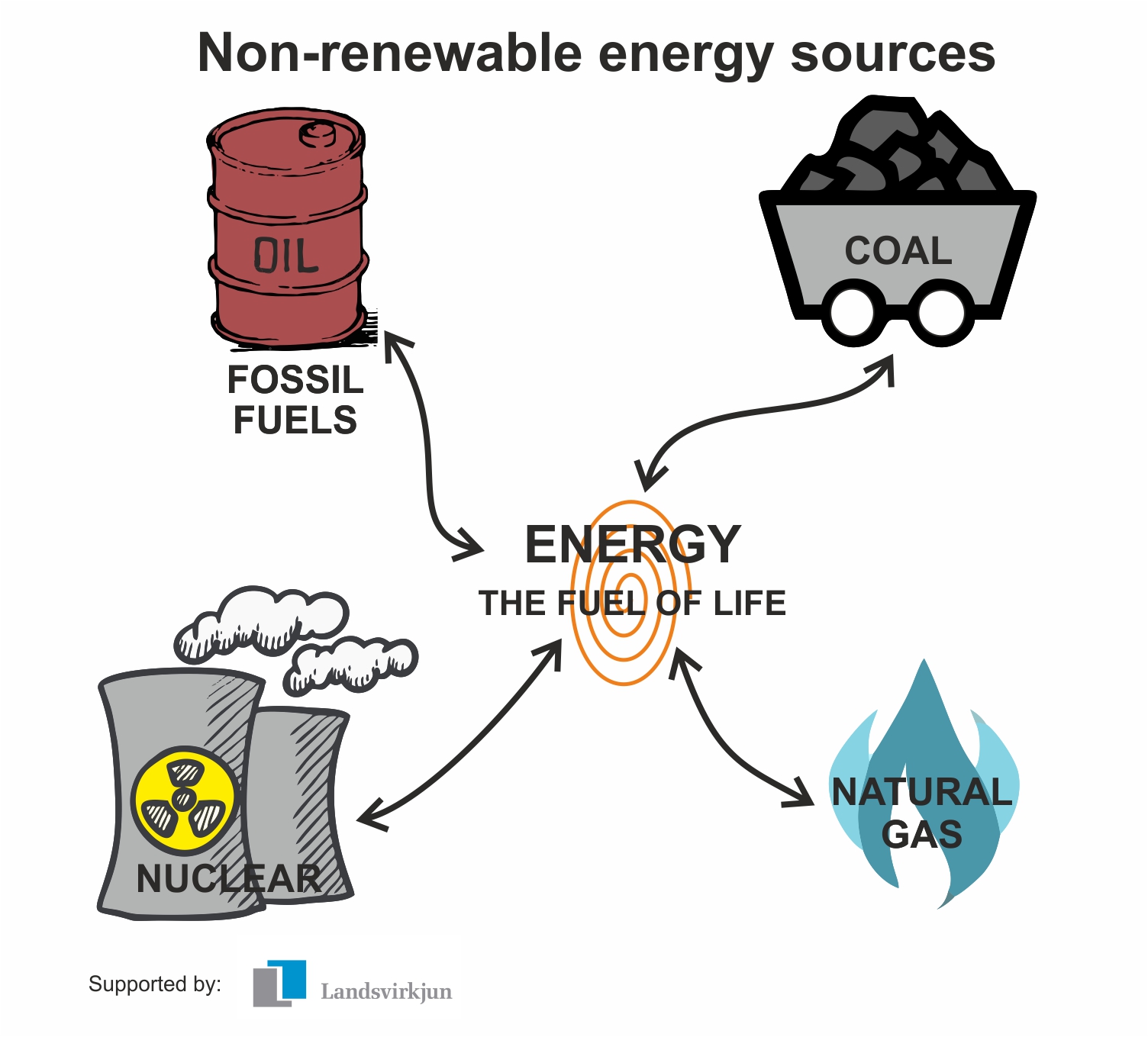
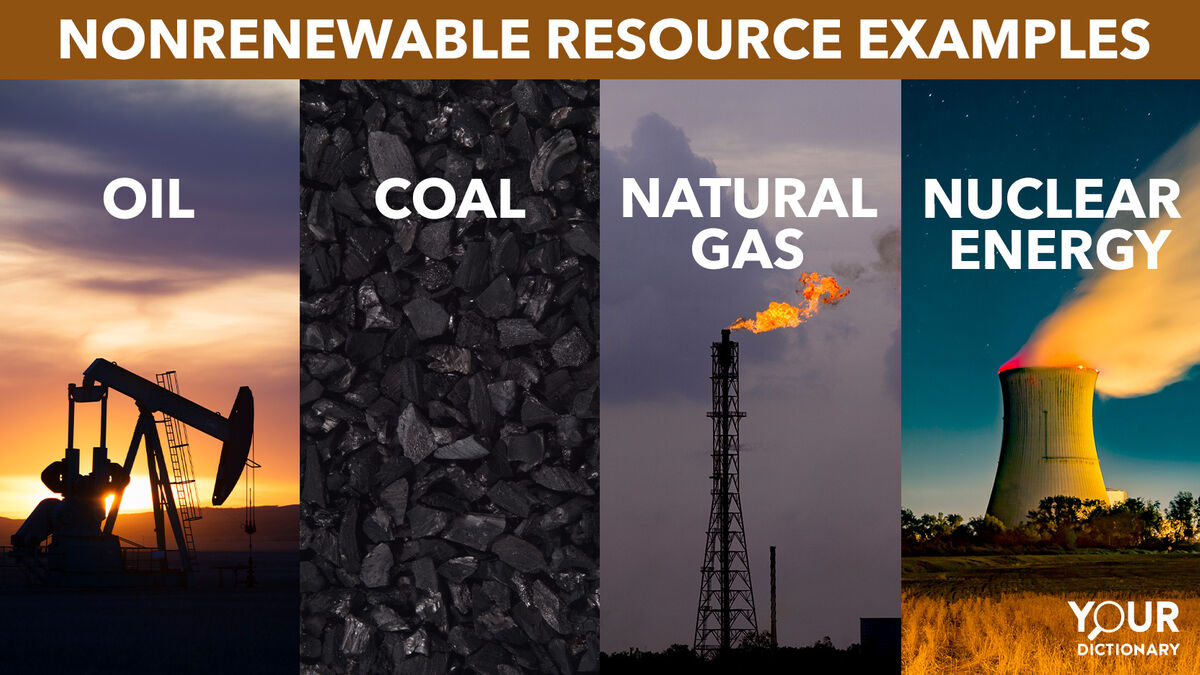
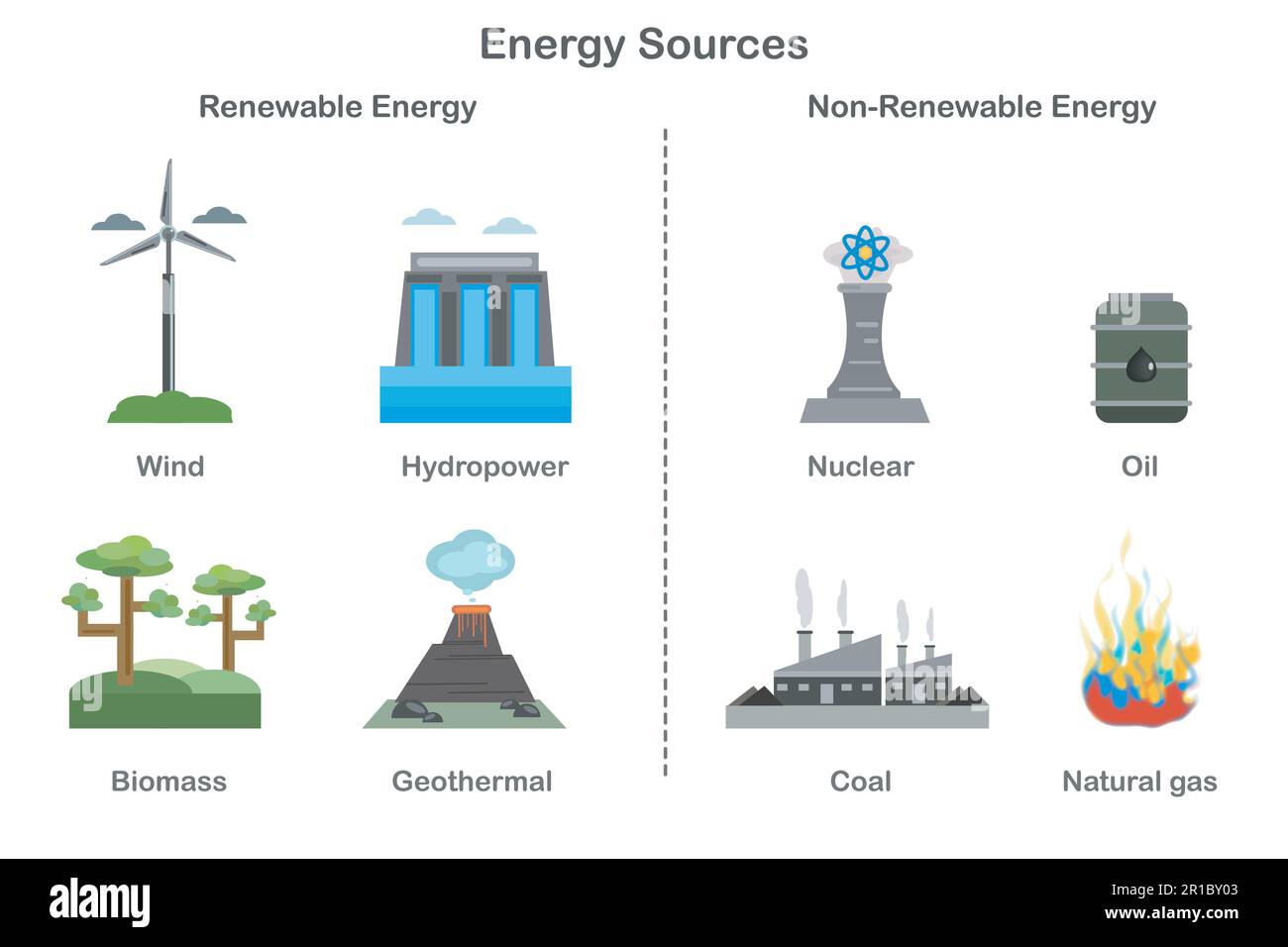
What exactly are we talking about when we say "not renewable"? The big ones you've probably heard of are fossil fuels: things like oil, coal, and natural gas. These took millions of years to form deep beneath the Earth's surface, and once we burn them for energy, they’re gone forever. But it's not just about fuel! Think about the metals in your smartphone – copper, gold, rare earth elements – these are also extracted from the Earth and are finite. Sand, a crucial ingredient for concrete and glass, is also a non-renewable resource, as specific types of sand are dwindling. While some materials, like many metals, can be recycled, the initial source is still a one-time deal. Other examples include minerals vital for fertilizers, industrial processes, and even the diamonds in jewelry. Each of these represents a precious, limited inheritance from our planet.
Must Read
Ready to start integrating this knowledge into your life? It’s super simple! First, just observe. Look around your home. Where did the materials for your furniture come from? What powers your lights? Second, think about ways to reduce your consumption. Can you turn off lights when you leave a room? Do you really need that new gadget, or can your old one last a bit longer? Third, practice reuse. Before throwing something away, consider if it can be repurposed, repaired, or given to someone else. Fourth, recycle properly. Know what your local recycling program accepts and make sure your recyclables are clean and sorted. Finally, don’t be afraid to educate yourself further. A quick online search can reveal fascinating facts about the resources used in everyday items. Small shifts in perspective and habit can lead to big impacts.
Ultimately, learning about non-renewable resources isn't about doom and gloom; it's about empowerment. It’s about becoming a more informed and conscious participant in the world. There’s a quiet satisfaction in knowing you understand a fundamental truth about our planet and are taking steps, however small, to live more thoughtfully. It adds a layer of depth and appreciation to your daily life, making you a better steward of Earth's precious gifts. Enjoy the journey of discovery!