The Normal Fan Switch Off Temperature Range Is
Ever wondered why your car's engine isn't constantly overheating? Or perhaps you've noticed the subtle hum of a fan kicking on and off in your computer? Chances are, you're witnessing the magic of a carefully calibrated temperature range at work, specifically the fan switch off temperature. It's a seemingly small detail, but understanding this range is actually quite fascinating and surprisingly relevant to our everyday lives.
At its core, the fan switch off temperature is exactly what it sounds like: the temperature at which a cooling fan is programmed to stop running. Its primary purpose is to maintain an optimal operating temperature for a device or system, preventing both overheating and overcooling. Think of it as a Goldilocks zone – not too hot, not too cold, but just right. The benefits are manifold. By preventing overheating, the fan switch off temperature helps prolong the lifespan of sensitive components, reduces the risk of damage, and ensures efficient performance. On the other hand, avoiding overcooling is equally important. Running a fan constantly when it's not needed wastes energy and can even reduce efficiency by making the system work harder to reach its ideal temperature.
The concept is used extensively across various fields. In the realm of automotive engineering, the radiator fan is a prime example. The fan switch off temperature is carefully determined based on the engine's design and the optimal temperature for combustion and component longevity. This prevents the engine from becoming excessively hot during idle or stop-and-go traffic, but also allows it to maintain a warm, efficient temperature when cruising. In computer systems, CPU and GPU fans are governed by similar temperature thresholds. If the processor is idle or lightly loaded, the fan may remain off, reducing noise and power consumption. But when the workload increases and the temperature rises, the fan will kick in to prevent thermal throttling and maintain stable performance. Even in industrial settings, equipment like generators and large motors rely on precisely controlled cooling systems with specific fan switch off temperatures to ensure reliable operation and prevent costly breakdowns.
Must Read
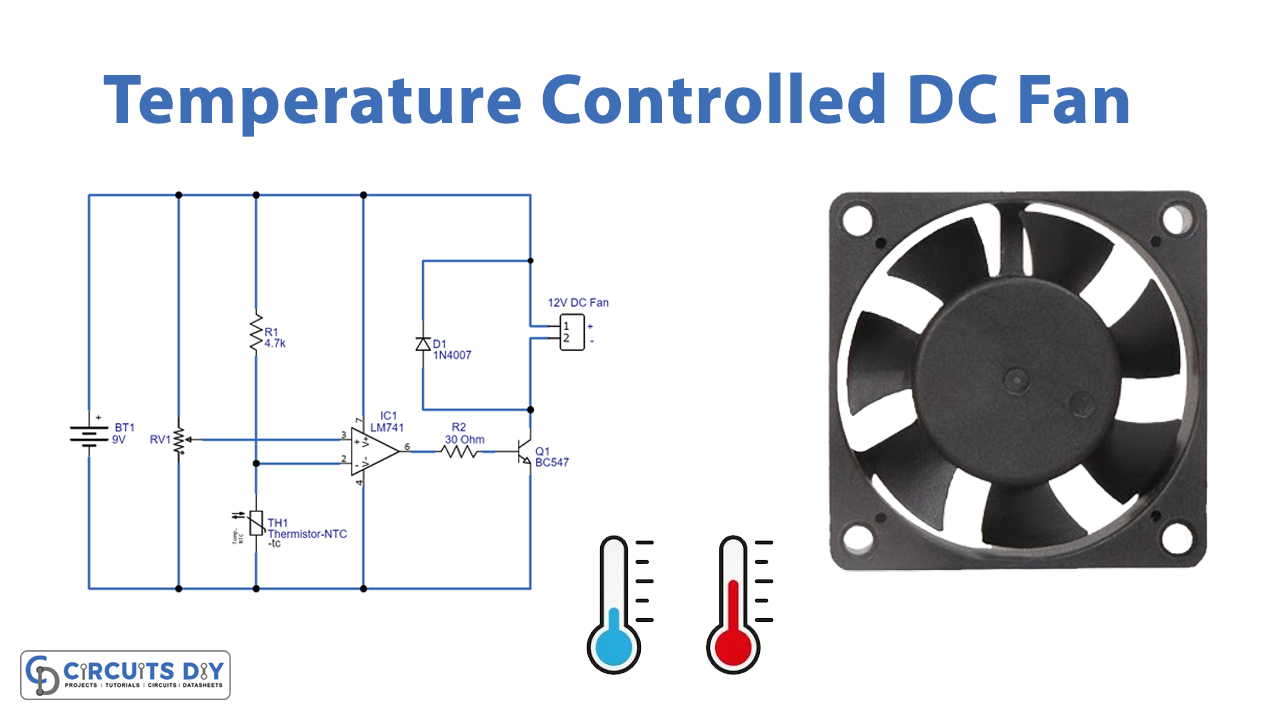
Thinking about its application in education, consider a science project exploring heat transfer and thermal regulation. Students could build a simple circuit with a temperature sensor, a small fan, and a microcontroller. By programming the microcontroller to switch the fan on and off at specific temperatures, they can directly observe the effects of different switch off points on the overall system temperature. This hands-on experience offers a powerful way to understand the principles of thermal management. In daily life, pay attention to the appliances around you. Listen for the subtle changes in fan noise on your laptop, or notice how the air conditioning compressor cycles on and off. These are all examples of temperature control systems in action.
Want to explore this further? A simple way to do this is to monitor the temperature of your computer components using readily available software. Many operating systems and third-party applications provide real-time temperature readings for your CPU, GPU, and other internal components. Observe how the fan speed changes in relation to the temperature and try to correlate that with the activity you are performing on the computer. You might be surprised at how dynamic and intelligent these cooling systems actually are!