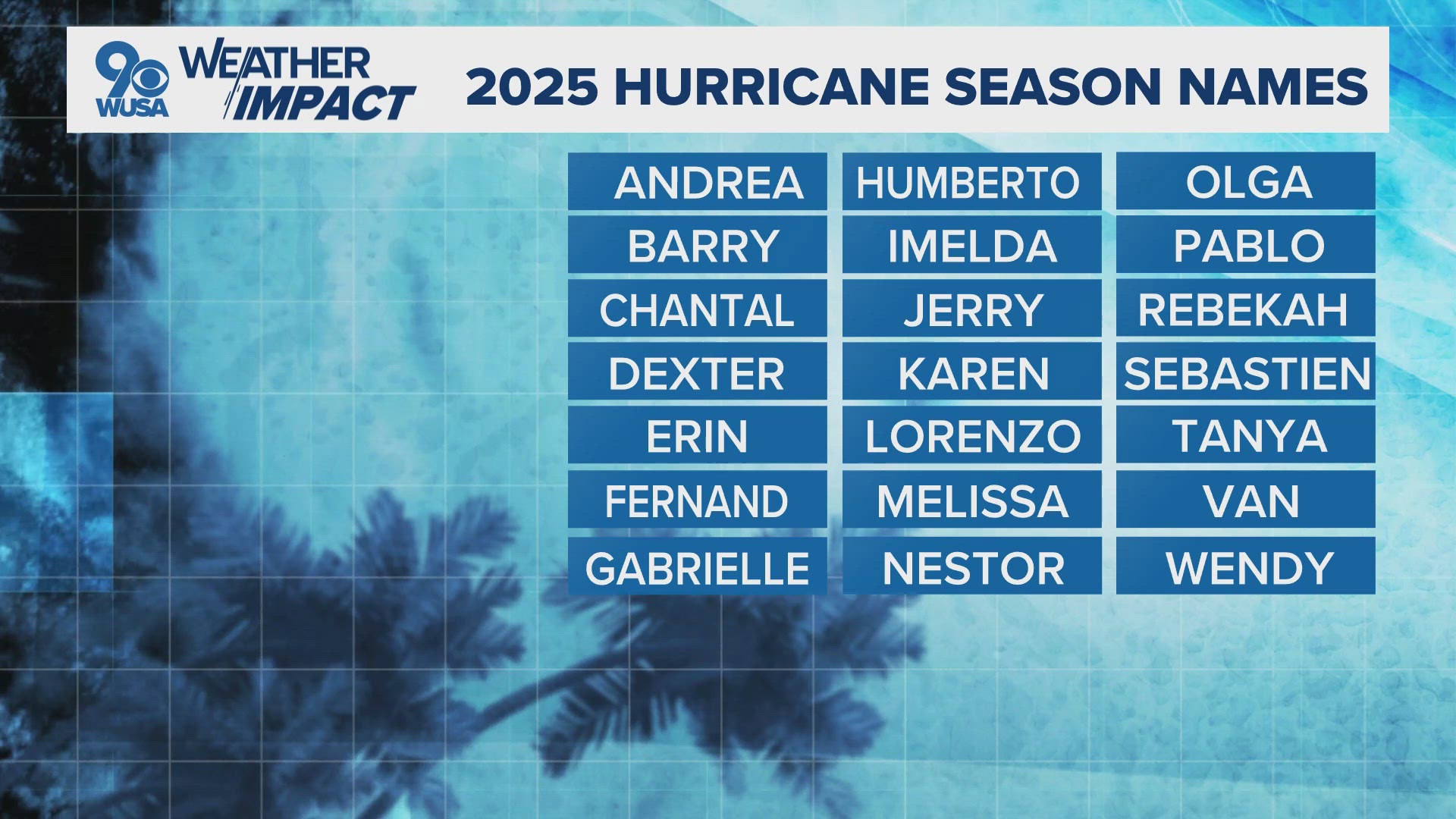
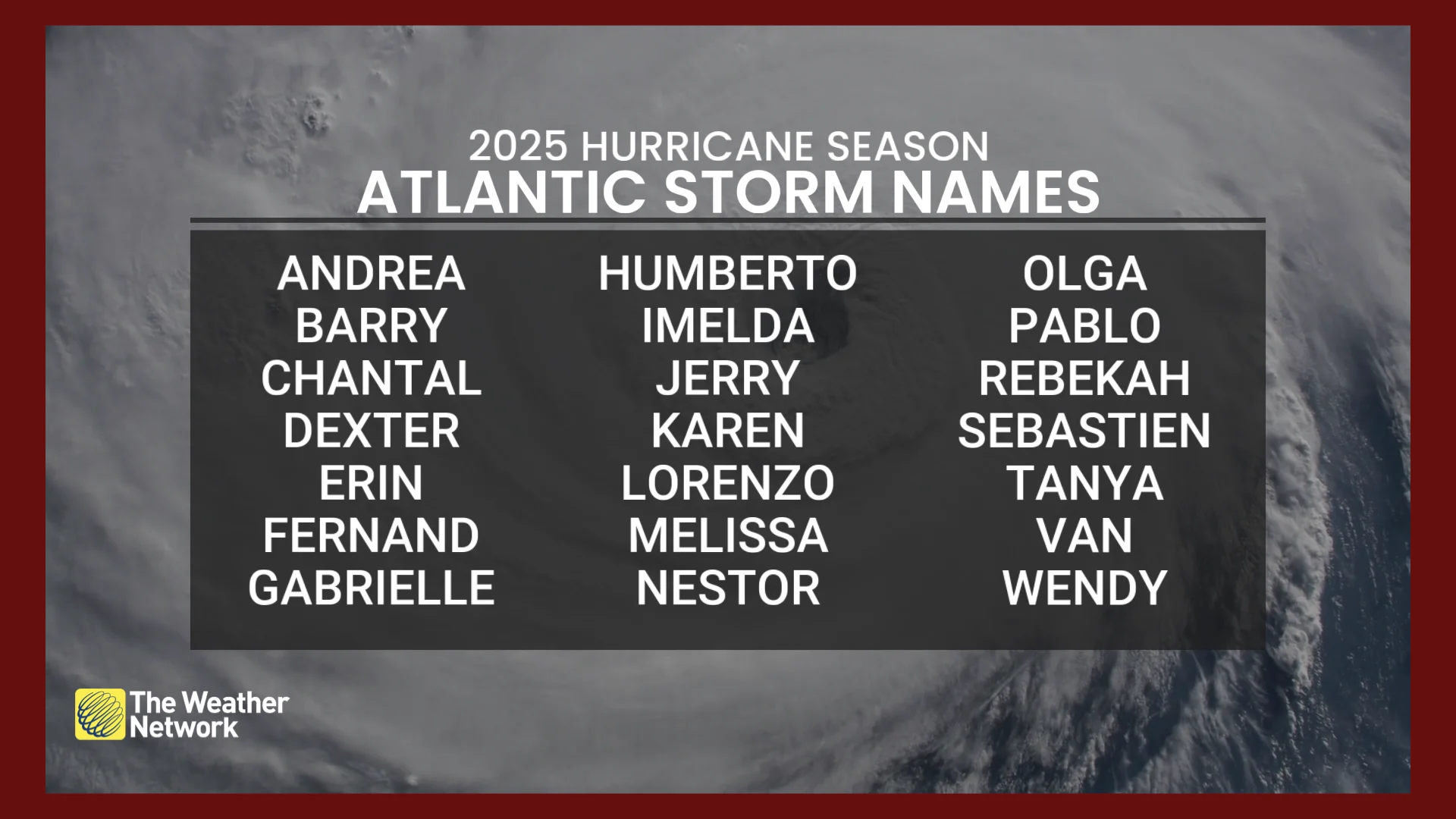
The Name Of The Next Hurricane
Ever found yourself wondering what the next big storm might be called? You know, the one that might grace our newsfeeds and weather apps with a dramatic swirl of wind and rain? It’s a bit like waiting to hear the name of a new celebrity baby, only this "baby" packs a punch! Getting to know the name of the next hurricane isn't just a quirky bit of trivia; it’s actually a fascinating peek into how we communicate about something incredibly powerful and vital for our safety.
Why bother with names at all, you might ask? Well, imagine trying to talk about "the big storm off the coast" while another "big storm in the Caribbean" is also brewing. Chaos, right? That’s where the ingenious system of naming hurricanes comes in. Its primary purpose is to ensure clear, unambiguous communication. When a storm gets a unique name, like Hurricane Ida or Tropical Storm Fred, it becomes a distinct entity. This makes it far easier for meteorologists, emergency services, media, and the public to track its path, understand its intensity, and relay crucial warnings without confusion. It gives these powerful weather events an identity, making them easier to remember and discuss, which ultimately helps us stay prepared.
This simple act of naming has a multitude of benefits that ripple through our daily lives and even into educational settings. In our daily routines, a named hurricane becomes the focal point of news broadcasts, weather alerts on our phones, and conversations around the dinner table. "Did you hear about Hurricane [Next Name on the List]?" immediately brings to mind a specific threat and prompts us to check forecasts, secure our homes, or plan evacuations. It transforms an abstract weather phenomenon into something concrete and actionable. For educators, these named storms are invaluable. Geography classes can delve into the specific paths and impacts of Hurricane Katrina or Maria, turning them into case studies for understanding atmospheric science, disaster preparedness, and even the socio-economic aftermath. Science students can track the real-time development of a named storm, learning about pressure systems and ocean currents. It makes complex meteorological concepts incredibly relatable and tangible.
Must Read
So, how can you explore this intriguing aspect of our weather world? It’s surprisingly simple! The World Meteorological Organization (WMO) maintains and updates lists of hurricane names for different regions on a rotating basis. You can easily find these lists on the National Hurricane Center (NHC) website or other reputable meteorological sites. Take a moment to look up the names designated for the upcoming hurricane season in your region. You'll notice they alternate between male and female names and are usually alphabetical. It’s also interesting to discover that some particularly devastating names, like Katrina or Sandy, are retired forever from the list out of respect for the victims and to avoid insensitivity. A fun way to engage with this is to check if your own name, or that of a friend, might be on an upcoming list! It's a simple, curious way to connect with the powerful forces of nature and understand the careful planning that goes into keeping us all informed and safe.