
The Model For The Modern Congas Are The
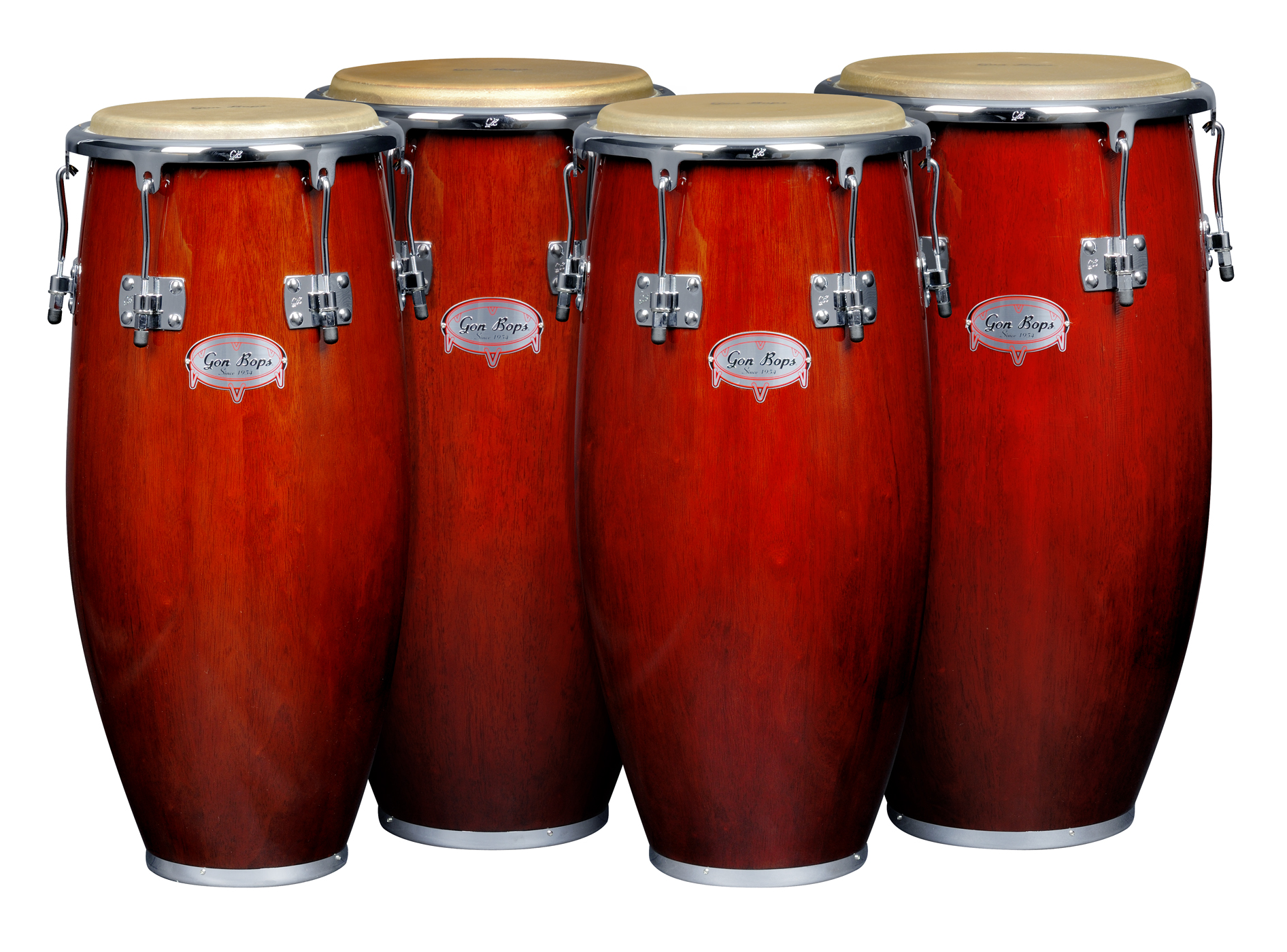
Ever heard that infectious, rhythmic beat that just makes you want to move? Chances are, you've been charmed by the sound of the congas!
But where did these amazing drums come from? Get ready for a history lesson that’s surprisingly fun and filled with Afro-Cuban vibes.
The Roots of Rhythm: African Heritage
The story starts way back in Africa, specifically the Congo region. People living there had different kinds of drums.
Must Read
They used these drums for everything! Think rituals, celebrations, and even communication across distances.
Transatlantic Journey: Cuba's Influence
Sadly, many Africans were forced to travel to the Americas as enslaved people. They brought their culture, including their drums, with them.
In Cuba, something magical happened. These African drum traditions met with other influences.
This mixing of cultures led to the birth of something new and exciting: the modern conga drum!
The Cuban Melting Pot: Shaping the Conga
Cuba became a hub for Afro-Cuban music. This is where the diverse drumming styles began to blend and evolve.
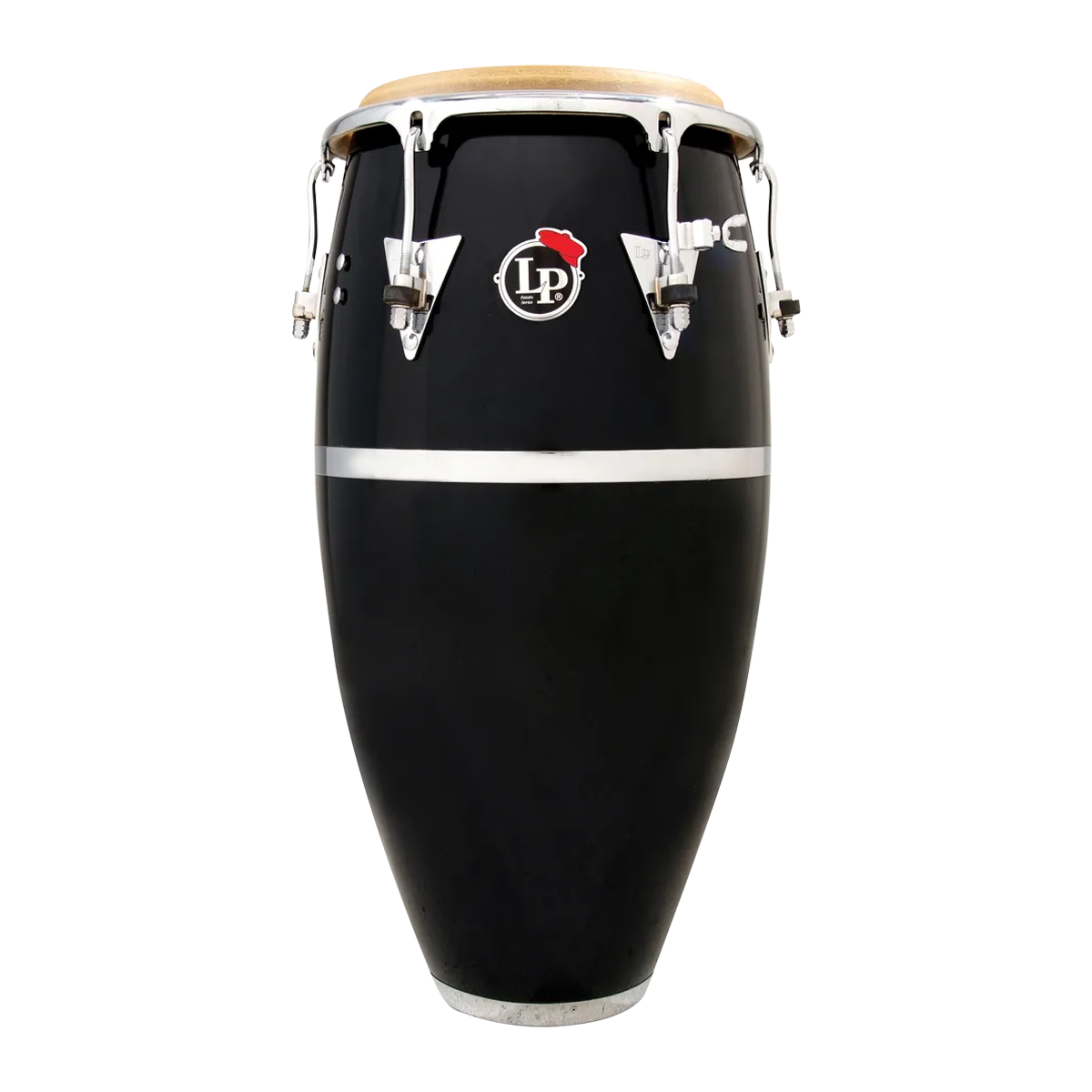
Cuban artisans started experimenting with different shapes and sizes. They were looking for the perfect sound.
The design of the conga began to take shape during that time.
Key Features: What Makes a Conga a Conga?
The conga isn't just any old drum. It's carefully crafted to produce a unique range of sounds.
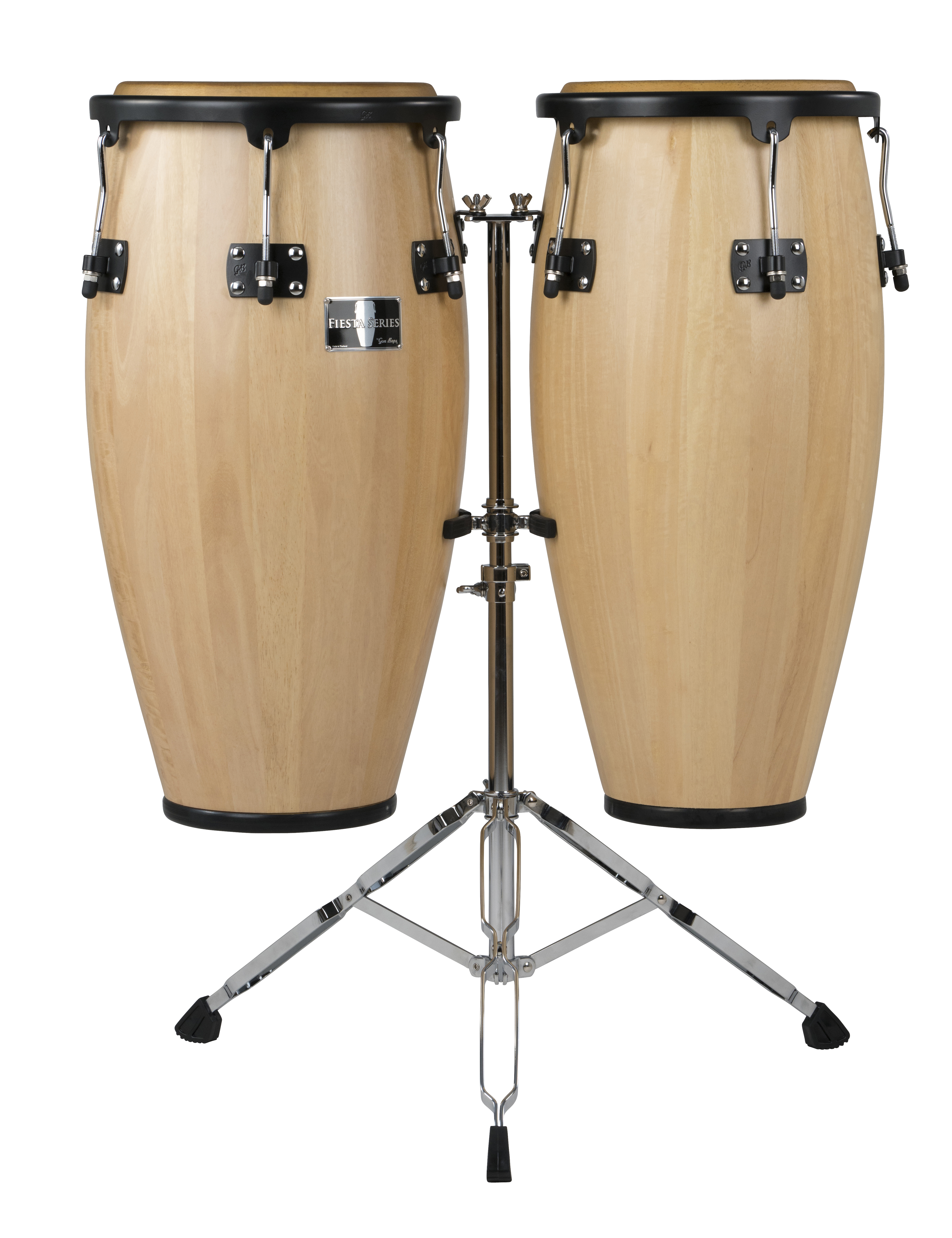
The slightly bulging shape is important. It helps the drum resonate and project sound.
The head, usually made of animal skin, is key for producing those crisp slaps and deep bass tones.
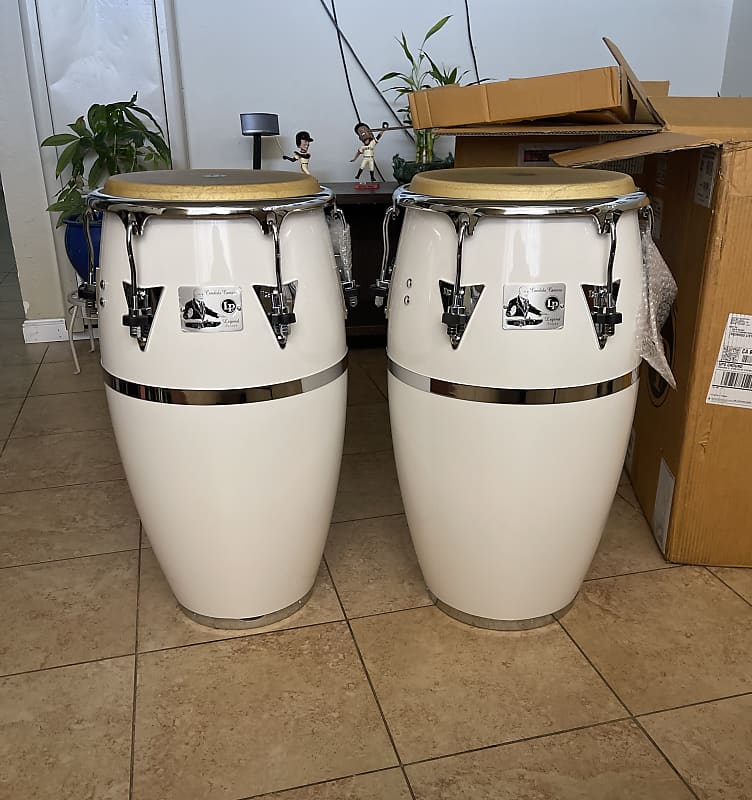
Conga's Model: The Quinto, Conga, and Tumbadora
One notable feature of the conga is the variety of sizes. Each of the drums play a different role in the sound.
The Quinto, the smallest, is like the lead singer! It plays the highest pitches and often improvises rhythmic patterns.
The Conga (or Segundo) is in the middle, filling in the gaps and providing a solid rhythmic foundation.
Finally, the Tumbadora is the big daddy. It lays down the deepest bass notes that you can feel in your chest!
Congas Go Global: Spreading the Rhythm
From Cuba, the conga drums journeyed out into the world. The spread of Cuban music played a big role.
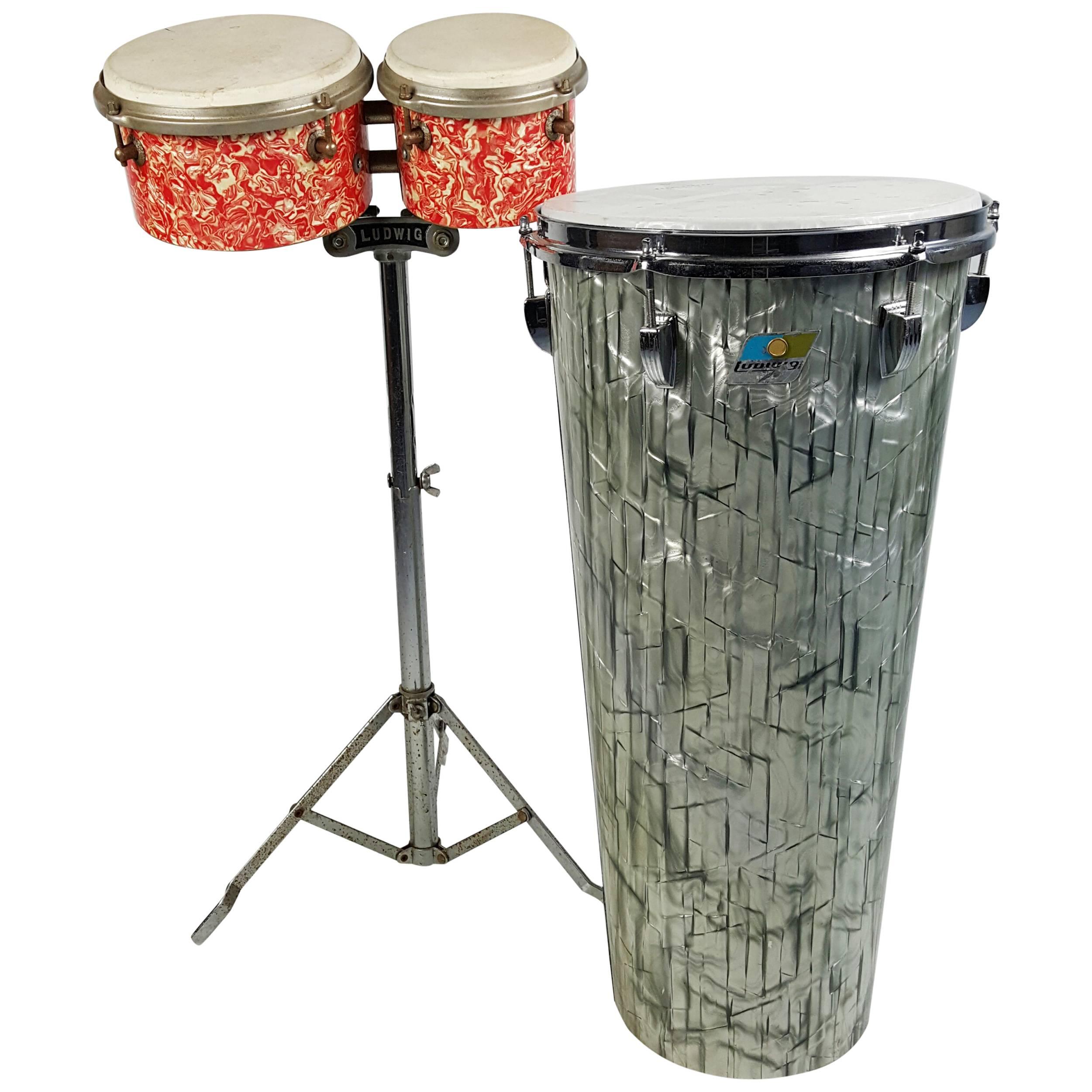
Dizzy Gillespie, the legendary jazz trumpeter, helped popularize Afro-Cuban jazz in the 1940s.
This brought congas to new audiences. The drums became a staple in jazz, Latin, and even pop music.
Congas Today: A Universal Language
Today, you can find congas just about anywhere. From concert halls to classrooms to street corners, the conga's beat continues to inspire.
It's an instrument that welcomes everyone. You don’t need years of training to start making music.
Whether you’re a seasoned pro or just someone who loves to bang on things, the conga offers a way to express yourself through rhythm.
Why the Conga Still Rocks: It's All About the Feel!
So, what makes the conga so special? It's more than just a drum; it's an experience!
The sound is incredibly versatile. It can be subtle and nuanced, or loud and explosive.
But, more than that, it’s about the feeling you get when you play. The way the rhythm moves through you, connecting you to something bigger than yourself.
Get Your Groove On!
Feeling inspired? Consider giving the congas a try. You might just discover a new passion for rhythm!
There are plenty of resources online and in your community. You can explore lessons and find drumming circles.
So, go on, embrace the beat! Let the spirit of the conga move you.