
The Manual Of Free Energy Devices And Systems

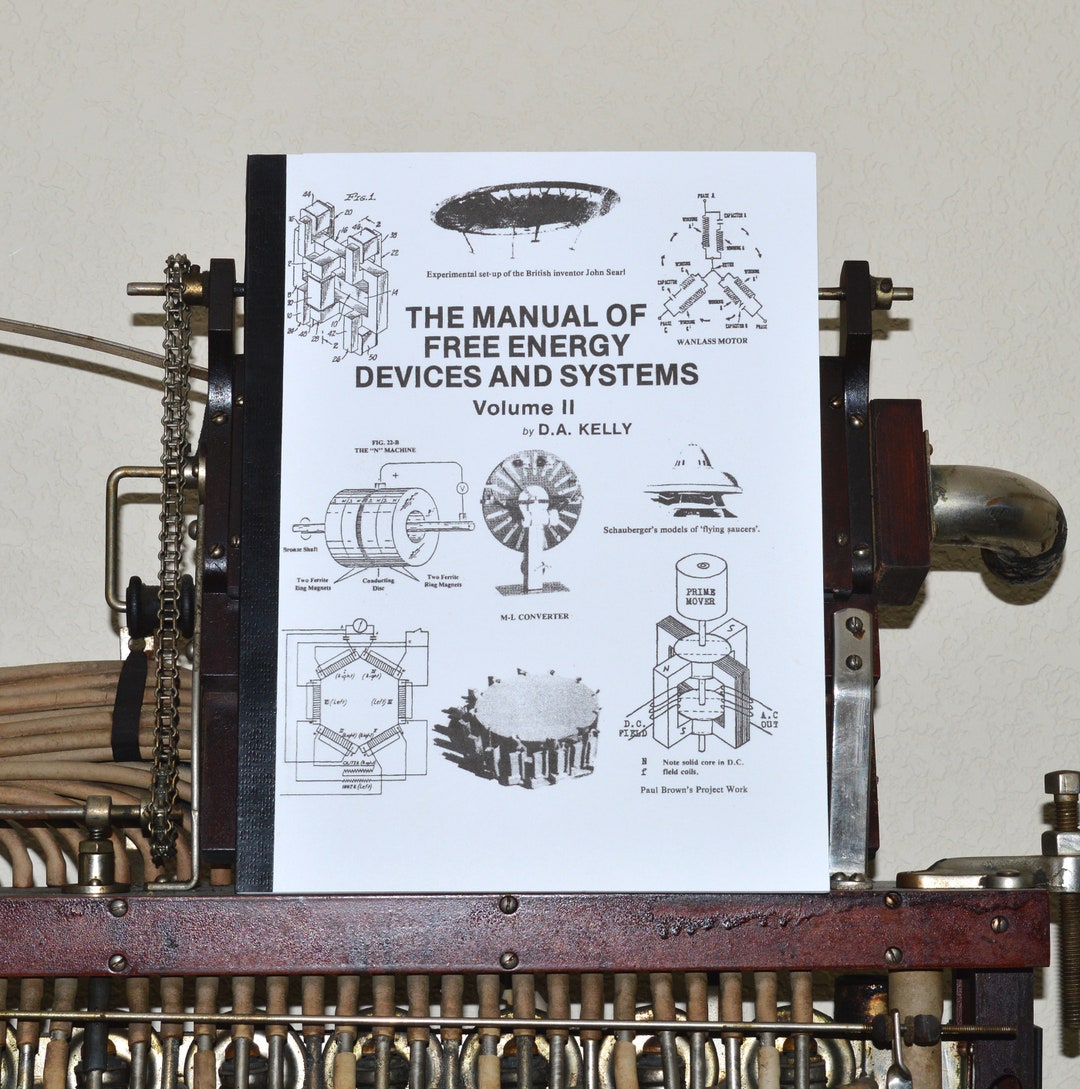
Ever dreamt of a world powered by, well, nothing? Or rather, powered by the boundless energy that surrounds us all the time? You might have stumbled upon the intriguing, sometimes controversial, world of "free energy" devices and systems. And if you have, chances are you've seen a book called, "The Manual of Free Energy Devices and Systems."
So, what's the buzz about? Let’s break down what this manual typically covers and approach the topic with a healthy dose of curiosity and a pinch of skepticism – because, let's face it, the internet is a wild place!
What Exactly is "Free Energy?"
First, let's clarify: "Free energy," as it's often discussed, doesn't violate the laws of thermodynamics. Instead, proponents typically talk about harnessing ambient energy, zero-point energy, or other forms of energy already present in the environment. Think solar, wind, geothermal – but perhaps tapping into them in novel, unconventional ways.
Must Read
The manual often dives into technologies that are claimed to achieve this. This could include:
* Over-unity devices: These mythical contraptions are said to produce more energy than they consume. Caveat emptor! This is a hotly debated topic. * Improved solar energy collection: Think beyond standard solar panels, perhaps focusing on more efficient materials or concentrating sunlight. * Zero-point energy extraction: A theoretical concept involving tapping into the energy present in empty space, according to quantum physics. This is more sci-fi than reality at present, but fun to ponder. Remember the Dyson Sphere from Star Trek? That's the granddaddy of harvesting all available energy!
What You Might Find Inside the Manual
Expect diagrams, schematics, and explanations of various devices. You'll likely encounter terms like resonant circuits, magnetic motors, and specific configurations of coils and capacitors. Be prepared for a technical deep dive!
The manual might also include:
* Historical examples: Showcasing inventors and their alleged breakthroughs, like Nikola Tesla and his work with wireless energy transmission. * Case studies: Accounts of individuals who have supposedly built and operated free energy devices. Remember to approach these with a critical eye. * Theoretical explanations: Delving into the physics behind the claimed operation of these devices.Practical Tips for Navigating the "Free Energy" Landscape
If you're venturing into this area, here are a few nuggets of wisdom:

The Cultural Context
The quest for "free energy" is often intertwined with counter-culture movements and a desire for energy independence. It's a belief that technology can liberate us from reliance on fossil fuels and traditional power grids. This resonates with a growing awareness of environmental issues and the desire for a more sustainable future. Think of it as the punk rock of energy solutions – challenging the status quo and pushing boundaries.
It’s also important to remember that sometimes, simple solutions already exist. Efficient insulation, LED lighting, and mindful energy consumption can often yield significant savings without requiring complex or unproven technologies. Small changes can have a big impact.
A Dose of Reality
While the idea of "free energy" is captivating, it's crucial to approach it with a discerning mind. Many claims are unsubstantiated, and the technology often remains in the realm of theory or unverified experiments. However, the pursuit of alternative energy sources is undoubtedly worthwhile. Innovation often comes from challenging established norms and exploring unconventional ideas.
Perhaps the true value of exploring "free energy" concepts lies not in achieving over-unity, but in sparking creativity, fostering innovation, and encouraging us to think critically about the future of energy. The exploration, even if unsuccessful in its initial goals, can lead to valuable insights and advancements in other areas.
Takeaway: Let’s focus on practical steps we can take today. Unplug your charger when it's not in use. Switch to energy-efficient appliances. Support renewable energy initiatives. These actions might not provide "free energy," but they’ll make a tangible difference and move us closer to a more sustainable future.
